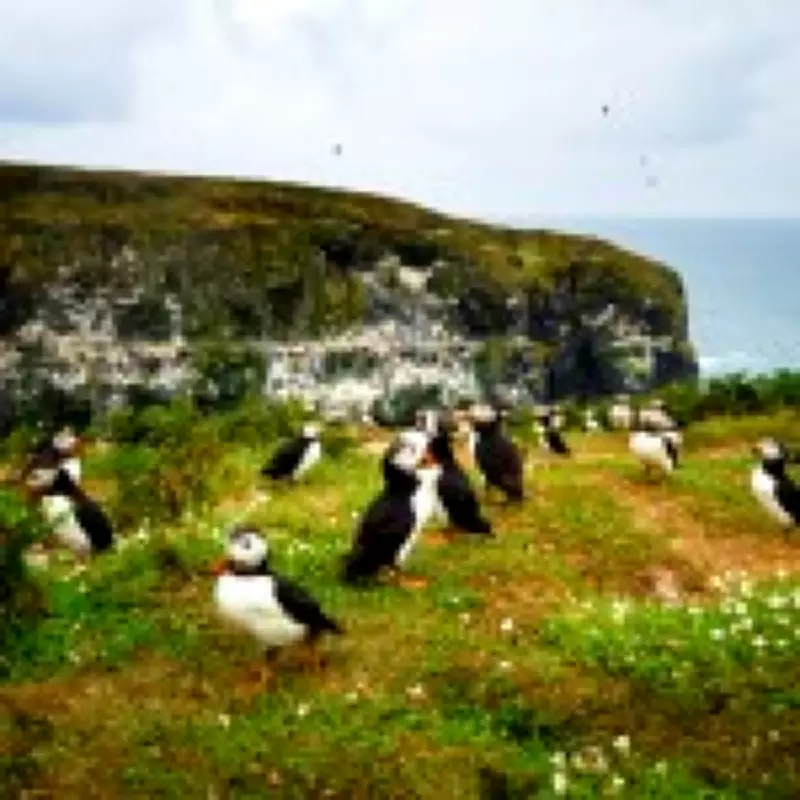
Volunteers Offered Free Stay on Welsh Island to Monitor Puffin Population
An exquisite island off the Pembrokeshire coast in Wales is providing a remarkable opportunity for nature enthusiasts to immerse themselves in conservation work while enjoying complimentary accommodation. Skomer Island, a national nature reserve spanning 720 acres with no permanent residents, is currently seeking volunteers to assist with its annual puffin count, offering free bed and board in return for their efforts.
Unique Volunteer Roles with Comprehensive Benefits
Managed by the Wildlife Trust of South and West Wales, the island is recruiting for several long-term volunteer positions, including a dedicated seabird monitoring role. Successful applicants will work to record bird numbers over the coming months, a crucial annual practice that helps conservationists track population trends. While the roles are unpaid, they include significant perks:
- Free accommodation with all bills covered
- Travel expenses to and from the island
- Parking facilities
- A bursary ranging from £200 to £400
The seabird monitoring position, which runs from May 23 to June 23, 2026, also includes training on how to operate a powerboat, adding a valuable skill to the volunteer experience. According to the official advertisement, "Our seabird monitoring volunteer forms an integral part of the island team, assisting with seasonal monitoring of our internationally important seabird populations."

Application Deadlines and Position Details
Prospective volunteers need to act promptly, as applications for the bird monitoring role close at 11.59pm on February 28, while other long-term volunteer positions have a deadline of 11.59pm on January 31. Three longer-term volunteer placements are available with the following schedules:
- March 28 to July 4, 2026
- April 25 to August 1, 2026
- July 4 to September 30, 2026
These extended roles involve slightly different responsibilities compared to the seabird monitoring position, requiring volunteers to assist with island operations, support wardens with visitor engagement, help monitor various wildlife species including seabirds, breeding birds, butterflies, moths and marine mammals, and maintain paths and infrastructure across the reserve.
Record-Breaking Puffin Population and Conservation Significance
The annual puffin count on Skomer Island holds particular importance following a record-breaking year in 2025, when 43,626 puffins were documented calling the island home. This marked an increase from the previous record of 42,513 puffins set in 2023. Leighton Newman, Skomer Island's warden, described the counting process as "no small undertaking," revealing that six staff members work day and night to ensure every bird is accounted for.
Newman explained their methodology: "The island is broken up into seven sections and we systematically count every bird; on the land, rafting on the sea, and we estimate the number in the air during our counts. This is undertaken in the evening, when there are generally more Puffins around the island and early enough in the season that birds are not already in burrows."
Conservation Context and Environmental Threats
Puffins are currently listed as vulnerable to extinction on the IUCN Red List, facing significant threats from pollution and climate change. Conservationists believe Skomer Island's thriving puffin population is largely due to the abundance of available food and the absence of rats and other predators, allowing seabird families to flourish without nest predation concerns.
Despite this local success story, Newman emphasised the broader conservation challenges: "Although The Wildlife Trusts' Skomer Island is a conservation success story for Puffins, they are a species under threat and are rapidly declining elsewhere. We are acutely aware of the threats facing these charismatic birds and we must do all we can to continue to protect them."

Skomer Island is renowned not only for its puffin colonies but also for its stone circles, prehistoric remains, unique wildlife including the Skomer vole species, and seal populations. The volunteer programme represents a significant opportunity for individuals to contribute directly to wildlife conservation while experiencing life on one of Britain's most important nature reserves.