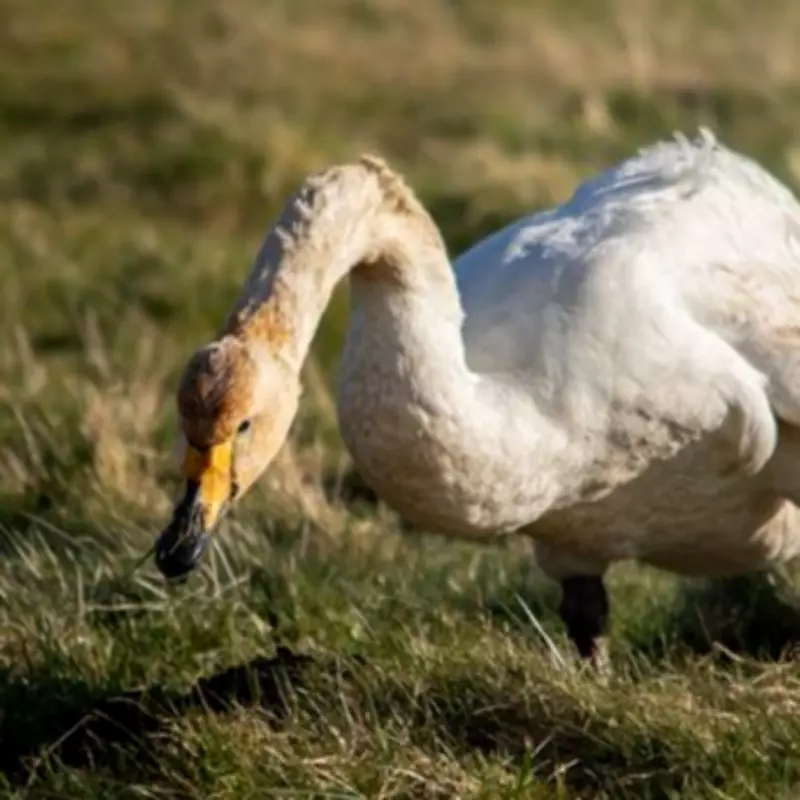
The Royal Society for the Prevention of Cruelty to Animals (RSPCA) has issued a stark warning over what it describes as an 'emerging trend' of teenagers using catapults to kill and injure swans, geese, and other water birds. This disturbing pattern has seen a significant rise in reported incidents, with London identified as one of the key urban areas affected.
Gruesome Injuries and Urban Hotspots
Lead Wildlife Officer Geoff Edmond spoke to MyLondon, revealing that many of these attacks occur in local parks and recreational areas where birds are often static targets. He explained that the injuries inflicted are particularly gruesome, often targeting the head and causing immense suffering. "I think it's because these are birds that sit on the water and sadly become a target for people wanting to have fun by using catapults and attacking them," Edmond said. "We need to safeguard our wildlife, look after it as much as we would our pets and ourselves indeed."
Alarming Statistics on Catapult Incidents
Data from the RSPCA shows a worrying increase in catapult-related incidents. Up to the end of June this year, reports have doubled compared to the same period in 2023. However, the problem extends beyond birds; airgun attacks on cats have also surged by 30 per cent over two years. In 2025 alone, there were 70 incidents involving cats, up from 54 in 2023.

One harrowing case involved a cat named Ronnie, found screaming in agony after being shot five times with an air gun in June 2025. Overall, between 2022 and 2024, the RSPCA recorded 497 incidents involving weapons like air guns, catapults, and crossbows used against animals.
London's Shameful Ranking
The capital has emerged as a hotspot for such attacks, ranking second in the UK for weapons attacks on animals between 2022 and 2024, with 31 cases. This places London just one case behind Kent, which leads the list. In contrast, areas like Dorset, Shropshire, and Tyne & Wear reported only 10 incidents each during the same period.
Response from Authorities
Despite the alarming figures, The Royal Parks, which manages London's royal parks, has not received any reports of catapult attacks within its 5,000 acres. A spokesperson stated: "Although we are aware of a rise of this type of wildlife crime, we have not seen any evidence of it nor received any reports of this occurring in the Royal Parks. We will continue to monitor the situation."
The Metropolitan Police has taken action in response to these incidents. A spokesperson confirmed that two arrests were made in the past year in connection with attacks in Orpington, and seven Acceptable Behaviour Contracts were issued to youths in Thamesmead for killing birds with catapults. "Incidents like this are of real concern to people, and we want to reassure them that we are investigating and taking action against offenders," the spokesperson said.
Increased Patrols and Community Efforts
In collaboration with local councils, the Met Police has increased patrols in affected parks and worked with schools to educate young people about the consequences of using catapults harmfully. Officers are also investigating social media videos that appear to show wildlife being harmed. The public is urged to report any attacks on wildlife by contacting police on 101 or Crimestoppers anonymously on 0800 111 555.
Edmond emphasised that while catapults are easily accessible, the focus should be on their misuse rather than a blanket ban. "The difficulty is that anybody can get a catapult. The question is not what you get, it's what you're using it for, which is causing the concern we have, for the cruelty and the suffering it's causing to wildlife," he noted.