Council Ban on Cat Feeder Sparks National Animal Welfare Movement
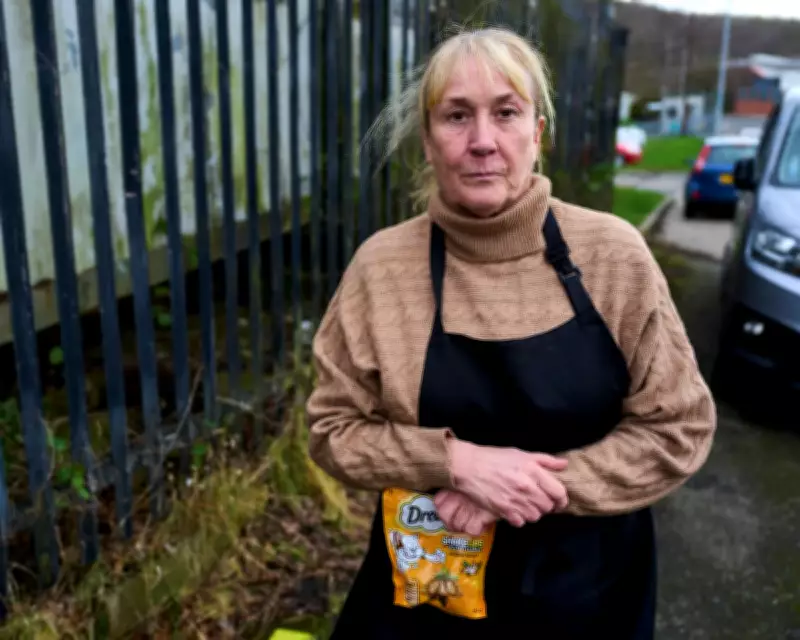
Collette Boler, a grandmother of seven, has become an unexpected icon for animal lovers across the United Kingdom after being prohibited from feeding a colony of feral cats she has cared for over two decades. The ban, issued by Barnsley council, has ignited a wave of support from neighbors, strangers, and national charities, transforming a local dispute into a broader conversation about compassion and community regulations.
The Heart of the Conflict
For 20 years, Boler has diligently visited an industrial estate near Milly's Cafe in Thurnscoe, South Yorkshire, twice daily, including on Christmas Day, to provide food and medical care for a group of feral felines. She has spent her own money on veterinary bills and organized neutering efforts, which she admits cost "a fortune," helping reduce the colony from about 30 cats to roughly a dozen. However, after a neighboring business complained about cat faeces on its premises, the council issued a community protection warning, threatening Boler with fines of up to £2,500 if she continues her feeding routine.
This action has been criticized by supporters as heavy-handed and overzealous, with many arguing that it overlooks the vital role feeders like Boler play in managing feral cat populations. Alice Ostapjuk-Wise, a volunteer for the Cat Action Trust 1977, emphasized, "Feeders like Collette actually play a really important role. They can alert us when a new cat arrives that might not be neutered." The charity has intervened by writing to Barnsley council to urge a repeal of the ban, warning that alternative approaches, such as extermination or starvation, are inhumane and ineffective.
Overwhelming Support and Unintended Consequences
Since Boler shared her story on Facebook, receiving over 40,000 likes on one post, she has been inundated with gestures of solidarity. Strangers from as far as York have visited her cafe with gifts like chocolates, cards, and cat food, while others have donated money for supplies. Even local residents, including a man from a nearby club, have stepped in to feed the cats, sending videos to Boler as proof of their efforts.
However, this outpouring of support has created new challenges. Boler's daughter, Rebecca Foster, expressed concern about the loss of controlled feeding. "When my mum was doing it, it was controlled feeding. We knew when they were fed, knew how much they were being fed, we know what kittens were coming and if any didn't come you go back to make sure they're alright," she explained. "Whereas now there's that many people going, that many people feeding them, there's no control." This has ironically made the cats, once obscure, "the most famous cats in South Yorkshire," according to Foster, potentially disrupting their welfare and safety.
Council Stance and Broader Implications
Barnsley council has not responded to recent requests for comment but previously stated that it recognizes Boler's "good intentions" while defending the community protection warning as "an early step to prevent the situation from getting worse." The council encourages collaboration with recognized animal welfare organizations to address stray animal issues safely, prioritizing public health and safety.
Despite the attention, Boler remains focused on her simple wish: "I just wish they'd let me feed my cats. That's all I want. That's all I've ever wanted." Her story underscores ongoing tensions between local governance and grassroots animal advocacy, raising questions about how communities can balance regulatory measures with empathetic care for vulnerable creatures.