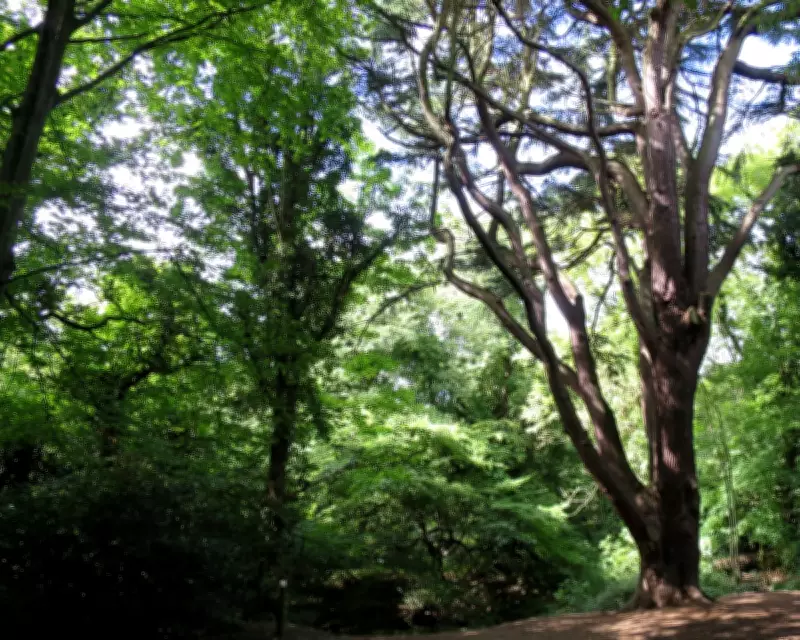
A diary entry from 1951 offers a vivid glimpse into the ancient woodlands that once fringed the capital, now largely swallowed by suburban sprawl. The writer describes a springtime walk through a forest of oak, hornbeam, and hazel, where bluebells carpeted the ground and birdsong filled the air. The path, muddy from recent rains, wound past a clearing where a fallen oak lay, its roots exposed like gnarled fingers. The observer notes the quiet resilience of the woods, a stark contrast to the bustling city just miles away. The entry reflects on the tension between preservation and progress, a theme that resonates even today as London continues to expand. The writer muses on the cyclical nature of life, with new saplings emerging from the decay of old trees. The diary captures a moment of serenity, a reminder of the natural heritage that exists on the urban fringe. The woods, though diminished, still offer a sanctuary for wildlife and a respite for the human spirit. The entry concludes with a hope that these woodlands might endure, a living link to a wilder past. The 1951 account stands as a testament to the enduring value of green spaces in an ever-changing city.