
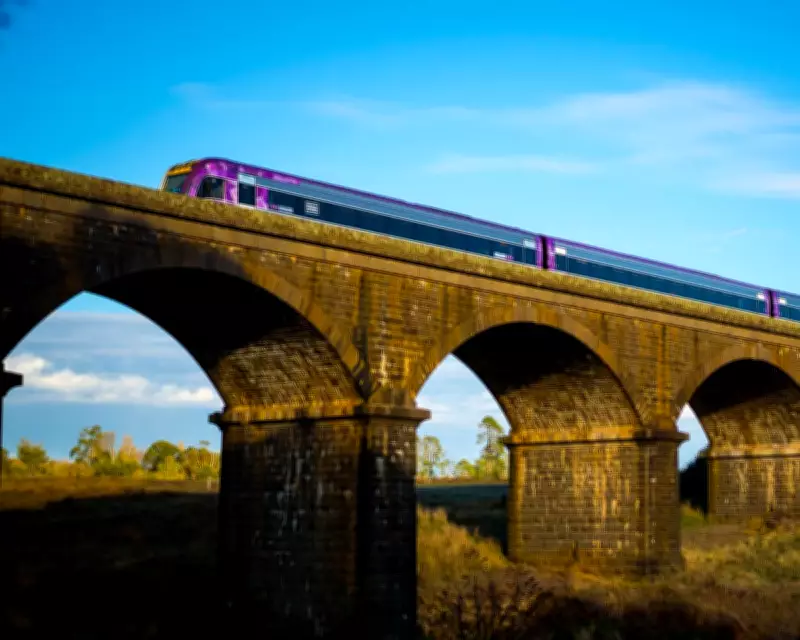
In a bold move to tackle urban congestion and promote sustainable travel, the state of Victoria in Australia launched a free public transport initiative throughout April 2026. This trial, which eliminated fares on buses, trains, and trams, aimed to encourage residents to ditch their cars and embrace public transit. However, as the month draws to a close, transportation analysts and policymakers are debating whether this short-term incentive is sufficient to drive lasting behavioral change among commuters.
The Rationale Behind the Free Transport Initiative
The Victoria government implemented the free public transport scheme as part of a broader strategy to reduce traffic congestion, lower carbon emissions, and improve air quality in metropolitan areas like Melbourne. By removing financial barriers, officials hoped to attract new users to public transit systems, potentially easing the strain on road networks during peak hours. Early data suggests a noticeable uptick in ridership, with reports indicating increased usage on previously underutilized routes.
Challenges in Sustaining Behavioral Shifts
Despite the initial surge in passenger numbers, experts caution that a one-month trial may not be enough to instill permanent habits. Commuters often face ingrained routines, with many relying on cars for convenience, flexibility, and perceived reliability. Without ongoing incentives or improvements to service frequency and coverage, there is a risk that ridership could revert to pre-trial levels once fares are reinstated. Additionally, infrastructure limitations, such as crowded vehicles during rush hour, could deter long-term adoption.
Comparative Insights from Global Examples
Victoria's experiment is not unprecedented; cities worldwide have tested similar fare-free periods with mixed results. For instance, some European cities have reported temporary boosts in public transport use, but sustained increases often require complementary measures like expanded routes, enhanced reliability, and integrated urban planning. In Victoria, stakeholders are calling for a holistic approach that combines financial incentives with infrastructure investments to create a more attractive and efficient public transit network.
Future Implications and Policy Considerations
As April concludes, the Victoria government is expected to analyze ridership data and public feedback to assess the trial's impact. Key questions remain: Will the free transport lead to reduced car ownership or altered commuting patterns in the long run? Policymakers must weigh the costs of extended fare-free periods against potential benefits, such as environmental gains and reduced traffic congestion. Some advocates suggest phased strategies, such as discounted fares for regular users or targeted subsidies for low-income groups, to maintain momentum without straining public finances.
Ultimately, while Victoria's free public transport trial has sparked interest and short-term engagement, its success in changing commuter behavior hinges on sustained efforts and integrated transport policies. The initiative highlights the complex interplay between financial incentives, infrastructure quality, and cultural shifts in urban mobility.



