
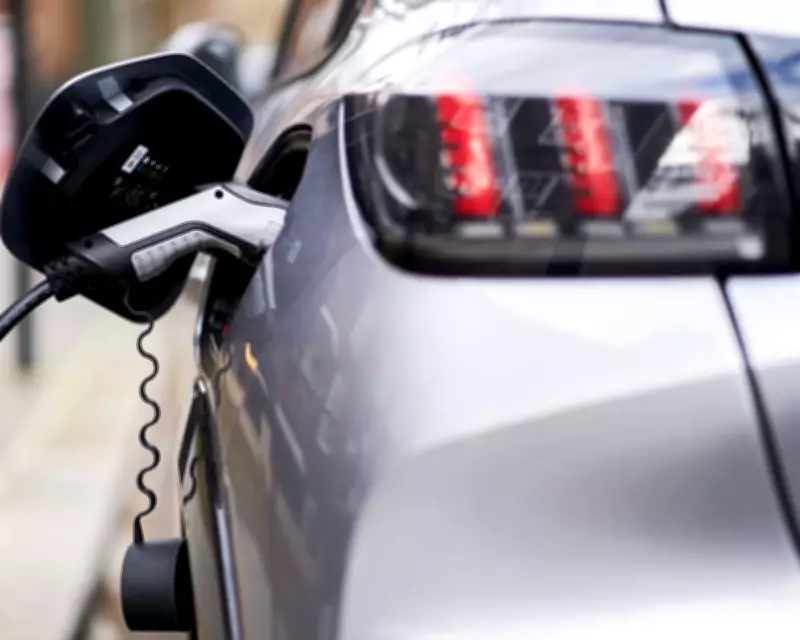
UK Government Announces Plans to Simplify EV Charging for Households Without Driveways
In a significant move to boost electric vehicle (EV) adoption, the UK government has unveiled plans to help motorists without off-street parking charge their EVs from home. New legislation, expected to pass this summer, will allow automatic approval for installing pavement "charging gullies," eliminating the need for planning permission. This initiative aims to make home charging more accessible and affordable, particularly as charging at home is typically cheaper than using public points due to lower VAT rates.
Addressing the Off-Street Parking Challenge
Currently, many would-be EV owners face barriers because they lack driveways or private parking spaces, making it impractical to charge vehicles outside their homes. While almost half of UK councils permit cross-pavement charging if cables are embedded in gullies, this still requires council permission, creating delays and uncertainty. The new law will streamline this process, enabling EV owners to run power cables through gullies directly from their homes, potentially by the end of this year.
Energy Secretary Ed Miliband emphasized the urgency of reducing reliance on fossil fuels, stating at the Good Growth Foundation's National Growth Debate that accelerating renewable energy and EV adoption enhances national security. He highlighted that every EV on the road contributes to a more stable energy market.
VAT Disparity and Cost Implications
Charging at home is often more economical because home energy incurs a 5% VAT rate, compared to 20% for public charging points. This disparity can penalize motorists who cannot charge at home, even with the new planning changes. ChargeUK, the trade body for the charging industry, advocates for equalizing VAT to ensure fairness. In a related development, the UK government plans to appeal a tax ruling that would cut VAT on public EV chargers to 5%, aiming to maintain revenue while supporting EV infrastructure.
Broader Energy and Environmental Measures
The legislation is part of a broader strategy to protect households from soaring energy costs, exacerbated by disruptions in crude oil and gas supplies from the Middle East. Additional measures include consultations on simplifying the installation of solar panels and air source heat pumps, particularly for flats and low-income households under the Warm Homes Plan. Demand for these technologies has surged, with Octopus Energy reporting a more than doubling of heat pump orders and an 80% increase in solar system sales in recent months.
EV sales are also rising, with a 51% increase in mainland Europe and an 85% jump in new leases in the UK, driven by higher fuel prices. Notably, battery electric car prices have fallen below petrol cars for the first time in the UK, according to Autotrader, making EVs more accessible to consumers.
This comprehensive approach aims to accelerate the transition to cleaner energy, reduce household bills, and support the UK's environmental goals.



