
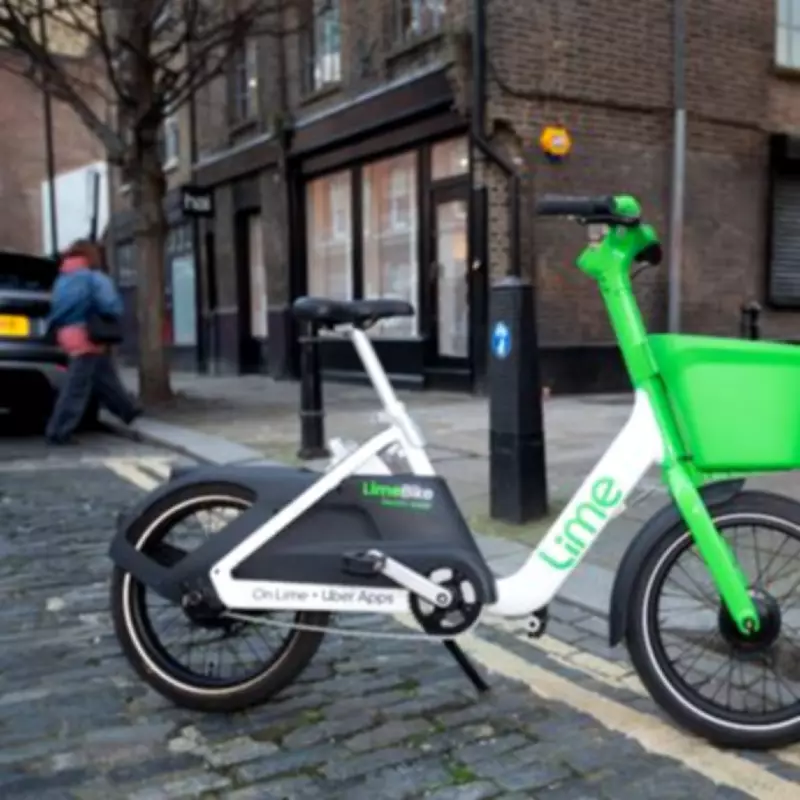
Lime Bike's Latest Model Introduces Stricter Parking Enforcement with Advanced GPS
Rental e-bike operator Lime has unveiled a major update to its fleet, featuring enhanced GPS technology designed to crack down on poor parking practices. The new model, which began deployment in UK cities this month, can more accurately determine if bikes are parked in designated bays, potentially leading to extra fees and service bans for users who violate rules.
Precision Parking Detection
According to Lime chief technology officer Jon Jenkins, the new GPS system represents a significant improvement over previous technology. "Traditional GPS signals in urban environments like London are often disrupted by tall buildings, resulting in accuracy within only about 12.3 meters," Jenkins explained to the Press Association. "This new vehicle provides location data accurate to within 1.5 meters, allowing us to confidently verify when a bike is properly parked in a designated bay."
The company has also revamped the bike's display interface to provide clearer notifications to riders when they enter parking zones. Lime requires users to end trips with bikes left in designated parking bays, bike racks, or neatly positioned at pavement edges, depending on local regulations.
Enforcement and Penalties
Users who fail to comply with parking requirements receive initial warnings, with repeat offenders facing charges of up to £20 and potential bans from the service. This enforcement comes amid growing concerns about poorly parked rental e-bikes blocking pavements and roads across UK towns and cities.
The issue gained particular attention in London's Kensington and Chelsea borough, where council authorities confiscated dangerously parked rental e-bikes last year, charging operators £84.45 per unit for retrieval. By November, this crackdown had resulted in the seizure of approximately 1,000 bikes, generating £81,000 in retrieval fees.
Design Improvements for Broader Accessibility
Beyond parking enforcement, Lime's new model incorporates several design changes aimed at making e-bikes more accessible to underrepresented groups, particularly older riders and women. "We wanted to create a more inclusive vehicle," Jenkins stated. "We consulted with less frequent riders, including women and older individuals, to understand what features would encourage more usage."
Key modifications include lowering the step-through area for easier mounting, installing more user-friendly seat clamps, and repositioning the battery from in front of the seat to behind and lower, which shifts the center of gravity and creates a lighter riding feel. Additional enhancements feature more comfortable handlebar grips, improved phone holders that provide full screen visibility, and reinforced locks to deter unauthorized use.
Infrastructure and Impact
Lime reported collaborating with London boroughs to fund over 930 new e-bike parking bays since the beginning of 2025. The company also noted a 59% reduction in parking bay overcrowding incidents between January and September 2025 compared to the same period the previous year.
"Our ambition is to expand micromobility throughout the UK," Jenkins emphasized, highlighting the company's goal of making sustainable transport options more widely accessible.
The new bikes have already been deployed in North America, Australia, and parts of Europe. In the UK, they will gradually replace existing models in London, Oxford, Nottingham, Milton Keynes, and will also be introduced in the West Midlands region.



