
Fuel Crisis Forces Australians to Rethink Traditional Easter Road Trips
The escalating fuel crisis, triggered by the ongoing US-Israel war on Iran, is dramatically reshaping how Australians approach the Easter long weekend. With petrol and diesel prices skyrocketing, many are abandoning traditional road trips in favor of innovative alternatives, from electric vehicle journeys to local staycations.
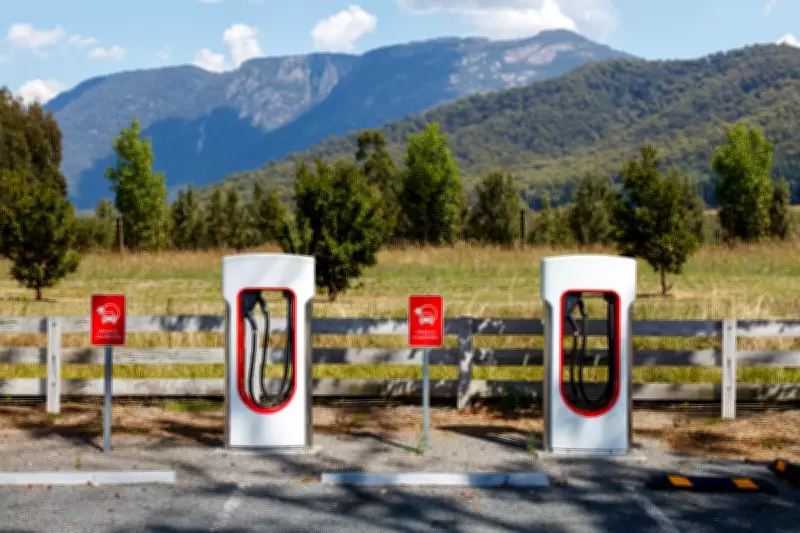
Electric Vehicles Emerge as Popular Alternative
Sales of electric vehicles have surged across Australia since the conflict began, with car rental companies reporting unprecedented interest. This shift comes despite a recent temporary reduction in fuel excise taxes announced by Prime Minister Anthony Albanese's government.
Melbourne aged care worker Claire Harvey exemplifies this trend. Her planned drive to Adelaide in an electric vehicle will cost less than $75 each way, compared to approximately $183 for her previous fuel-efficient manual car. "I know where the charging infrastructure is," Harvey explains, noting she'll manage "range anxiety" rather than exorbitant fuel prices.
Public Transport Experiences Significant Uptick
Long-haul train travel has seen remarkable growth since the fuel crisis intensified. Data from New South Wales regional service TrainLink reveals overall patronage increased by about 11% in March compared to February, with train trips specifically rising by 15%.
Notably, the Sydney-Brisbane train service experienced a 36% increase in patronage compared to March 2025, while Sydney-Melbourne routes saw a 19% jump. Daniel Bowen of the Public Transport Users Association acknowledges that while suburban trains work well for city travel and some regional destinations, coverage remains inconsistent across Australia's vast geography.
Personal Stories Highlight Widespread Impact
Natalia Kozlov, a lawyer and mother-of-three from Coffs Harbour, cancelled her family's Sydney road trip after calculating the additional $2,000 diesel cost outweighed their $800 accommodation cancellation fee. "For the first time, I'm really noticing the money leaving our bank account," Kozlov reflects, acknowledging her privilege while recognizing the conflict's ripple effects.
Instead, Kozlov's family plans to explore local attractions if they cannot join friends' camping trip nearby, embracing "all the free stuff" including bushwalks, beach visits, and community events.
Staycations Gain Momentum as Local Tourism Alternative
With Easter typically seeing approximately 600,000 additional cars on regional Australian roads, the tourism industry is encouraging alternative approaches. Cathie Warburton of the Australian Library and Information Association suggests becoming "a tourist in your own community," highlighting free local activities and council-run events.
Lisa Petherick and her husband from Warrnambool, Victoria, have postponed their five-month caravanning adventure due to diesel costs. "We'll just do some regional tourism," Petherick says, adding that spending locally could boost area economies while avoiding extensive travel.
Infrastructure Limitations and Future Implications
Despite increased interest in alternatives, infrastructure gaps persist. Monash University Professor Graham Currie notes only about half of urban Australia has access to quality public transport, with regional and rural areas facing greater challenges.
Prime Minister Albanese acknowledged the fuel crisis's impact during a national address, urging Australians to "fill up like you normally would" if driving and consider public transport options. As the conflict continues to influence global energy markets, these Easter travel adaptations may signal longer-term shifts in Australian transportation habits and holiday planning.



