
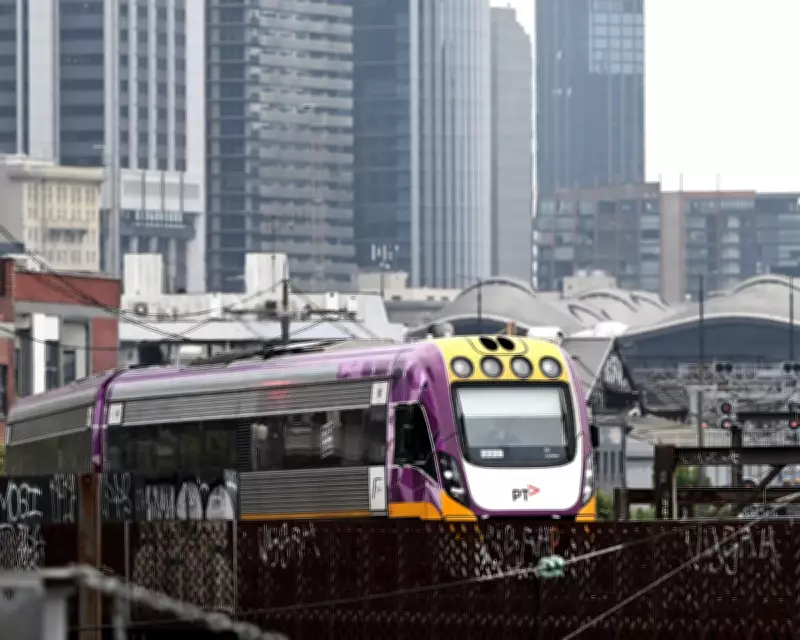
Free Public Transport Introduced in Victoria and Tasmania to Ease Fuel Crisis Burden
The Allan government in Victoria has declared that all metro and regional V/Line trams, trains, and buses will be free from 31 March until the end of April 2026. This initiative aims to encourage residents to switch from driving and alleviate the surge in fuel demand caused by the ongoing energy shock from the Middle East conflict.
Temporary Measure to Address Soaring Petrol Prices
Premier Jacinta Allan emphasized that this is a temporary measure, costing approximately $71 million in forgone revenue. She stated, "This is a temporary measure to help with the cost of living – it will take pressure off the pump and help you save. This won’t solve every problem, but it’s an immediate step to help Victorians right now while we keep working on new solutions to make Victoria more affordable."
During the free period, all Myki gates will be open, and passengers will not need to touch on. Those who accidentally do so will not be charged, and refunds will be available if necessary. Myki passes, including yearly ones, will be automatically paused and resume after April. For V/Line coaches outside the Myki network, free tickets must be booked to secure seats, but trains in these areas will not require tickets.
Tasmania Joins with Extended Free Transport Offer
Similarly, Tasmania has announced that buses and Derwent River ferries will be free across the state from 30 March until 1 July. Premier Jeremy Rockliff highlighted that this scheme could save commuters between $20 and $88 per week. Transport Minister Kerry Vincent noted the initiative is designed to provide relief during the fuel crisis.
NSW and Western Australia Opt Out of Free Fares
In contrast, the New South Wales and Western Australian governments have decided not to implement free public transport. NSW Transport Minister John Graham explained, "This situation will last for more than a month. We need to keep our powder dry to be able to assist the broader economy." He added that the millions of dollars collected daily from fares will continue to be reinvested in the transport system to improve reliability.
Western Australian Premier Roger Cook also rejected the idea, stating that fares in WA are already at a "historically low" level, comparable to "when Rick Astley was on top of the charts."
Broader Impact and National Calls for Action
The energy shock from the Middle East conflict has led to soaring petrol and diesel prices, with weekly petrol bills rising by $20 or more for the average Australian household since late February. Despite this, Guardian Australia analysis indicates that Australians have not yet significantly reduced driving or increased public transport usage.
In federal parliament, ACT Senator David Pocock and the Greens have been advocating for free nationwide public transport during the crisis. However, the response has varied by state, reflecting different approaches to managing the economic impact.
Public Transport Minister Gabrielle Williams expressed confidence in Victoria's ability to handle increased demand, noting, "We expect to see increases in patronage across trains, buses and trams over the month ahead. This is why it’s so important that we’ve not only expanded our public transport network but also added thousands of services to it."



