
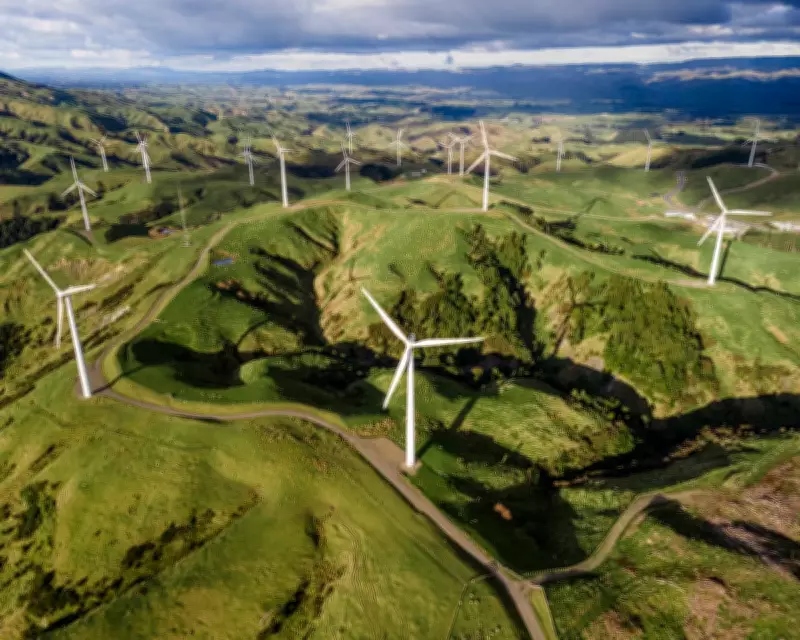
The ongoing conflict in Iran, dubbed Operation Epic Fury, has not achieved Donald Trump's war aims, but it is inadvertently accelerating the global shift towards clean energy, a sector the US president has long criticized. The standoff over the Strait of Hormuz has led to soaring oil and gas prices, prompting emergency actions in nearly 40 countries, from Laos shortening school weeks to Nepal halving cooking gas cylinders. Even high-income nations like the UK face painful economic impacts, as highlighted by the Bank of England's recent forecasts, while developing countries may experience catastrophic effects from rising energy and fertilizer costs.
Historical Parallels and Modern Solutions
This fossil fuel crisis echoes the 1970s oil shocks, which drove Western nations to reduce reliance on Opec by introducing fuel efficiency standards and nuclear power. Today, low-cost clean substitutes are readily available. According to analyst Kate Mackenzie, about 45% of crude oil is used for road transport, much of which can now be cheaply electrified. Carmakers report surging demand for electric vehicles; Renault's UK boss described it as a "seismic shift," with March sales in continental Europe up 51% year-on-year.
Government Responses and Strategic Shifts
Governments are renewing efforts to diminish oil and gas dependency. The United Arab Emirates' surprise departure from Opec may reflect a desire to maximize fossil fuel sales before the era ends. At the CERAWeek conference, analyst Nick Birman-Trickett compared the current shock to the 1997-98 sovereign debt crises, which spurred emerging economies to build foreign currency reserves. He predicts that surviving governments will apply similar logic to energy security, rapidly expanding solar, wind, battery, and nuclear capacity.
South Korean President Lee Jae Myung stated, "It's a situation so serious that even I can't sleep. South Korea needs to transition to renewable energy quickly." Vietnam has shelved plans for a liquefied natural gas terminal in favor of renewables. India's solar power generation reached 9% of electricity in 2023, up from 0.5% a decade earlier, and the country leads in electric three-wheeler adoption. Ember consultancy notes that "cheap solar and batteries are enabling India to develop without the long fossil detour taken by the west and China."
Global Implications and China's Role
Pakistan, already experiencing a rooftop solar boom from the 2022 energy shock, expects further uptake as households seek relief from soaring utility prices. This global dash to renewables will benefit China, the world's leading manufacturer of solar panels, batteries, and electric vehicles—an unintended consequence of Trump's actions. In the US, Trump has dismantled clean energy support and champions coal and windmills, but his policies may reveal American weakness in a shifting geopolitical landscape, much like the Suez crisis 70 years ago.



