Fly-tippers to be Forced into Unpaid 'Clean-Up Squads' Under New Government Plan
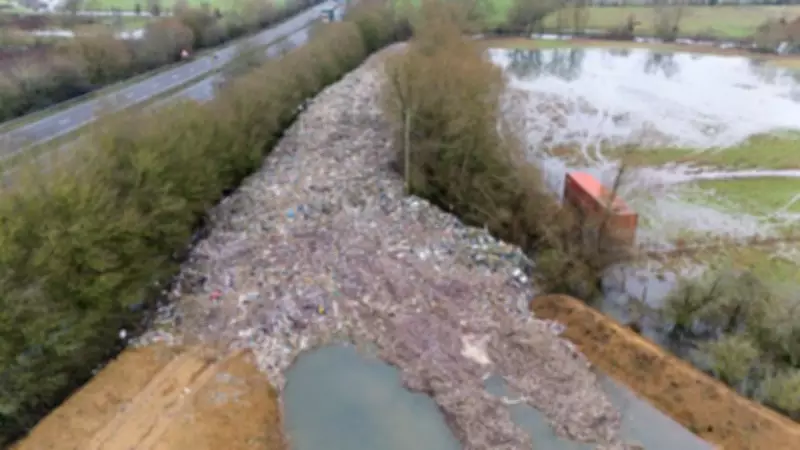
The UK government has unveiled a bold new strategy to combat illegal waste dumping, announcing that fly-tippers could soon be compelled to join unpaid "clean-up squads" as punishment for their crimes. This measure forms a key part of a comprehensive 10-point plan set to be launched by the Environment Agency this Friday, targeting both minor fly-tipping incidents and large-scale organised illegal waste operations.
Conditional Cautions to Speed Up Enforcement
Under the proposed scheme, local authorities will issue conditional cautions to offenders, requiring them to clear up waste in streets, parks, and known dumping hotspots for up to 20 hours. This represents a significant shift from the current system, where fly-tippers are only penalised after conviction, often following protracted court proceedings that delay justice and enforcement.
Environment Secretary Emma Reynolds emphasised the government's firm stance, stating: "If you dump rubbish on our streets, you will be joining a clean-up squad and picking up the bill, not the taxpayer. We are clamping down on these criminals, making sure those responsible clean up and pay up. This government is handing both the Environment Agency and local authorities the power to boost waste crime enforcement, hand out tougher sentences, and tackle illegal dumping faster."

Part of a Broader Crackdown on Waste Crime
The clean-up squad initiative is designed to accelerate enforcement actions and reduce the burden on taxpayers, who currently foot the bill for clearing illegally dumped waste. Government data reveals an 8% increase in enforcement actions against fly-tippers in recent years, with local authorities carrying out 572,000 actions in the 2024/25 period alone.
Despite this, the Environment Agency's enforcement budget for 2025/26 has been raised to £15.6 million, yet many critics argue this funding remains insufficient to address the rapidly escalating problem of waste crime across the country.
Implementation Timeline and Expected Impact
The new measures are anticipated to be introduced at the start of 2027, pending further approvals and consultations. By integrating punitive clean-up duties into the enforcement framework, the government aims to create a more immediate and visible deterrent, while also promoting community restitution for environmental damage caused by illegal dumping.
This crackdown comes amid growing public concern over fly-tipping, which blights landscapes, poses health risks, and undermines local environmental quality. The 10-point plan is expected to include additional provisions for tougher sentences, enhanced monitoring of waste sites, and increased collaboration between agencies to disrupt organised waste crime networks.