Households throughout England will experience substantial modifications to their bin collection routines this month, as a comprehensive government initiative designed to streamline waste sorting takes full effect. The changes, which commence on March 31, represent a major shift in how municipal waste is managed across the country.
The Simpler Recycling Initiative
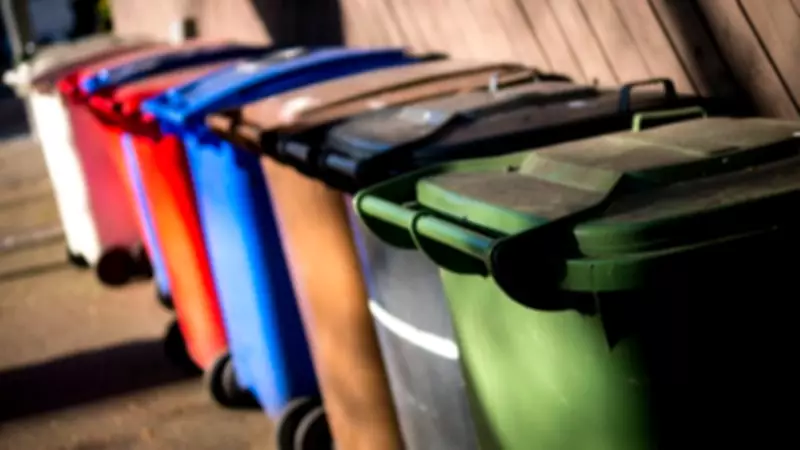
From March 31, the government's "simpler recycling" program will require every local authority in England to provide collections for four clearly defined categories of waste. The Department for Environment has stated this initiative will eliminate what it describes as a "muddled and confusing patchwork of approaches to bin collections" that previously meant residents in certain areas needed to maintain up to seven different bins for various waste streams.
The New Four-Category System
The standardized bin configuration will consist of the following categories:

- Non-recyclable waste: This category includes items that cannot be recycled, such as tissues, kitchen roll, soiled food containers, and nappies. Food waste is excluded from this category if households have separate food waste collection services available.
- Food waste: This represents one of the most significant changes for English households, where food waste collection has not been universally available. Most food items can be placed in food waste bins, including raw or cooked meat, tea bags, eggshells, and solid pet food. However, liquids like oil, fat, soup, or gravy should not be included, nor should plastic bags that are not certified as compostable.
- Paper and card: Under the new regulations, paper and cardboard will be collected separately from other recyclable materials. Most paper and card products will be accepted, with exceptions for items containing glitter or foil, laminated materials, sticky items, or those with substantial food residue. Padded envelopes, books, and wallpaper are specifically prohibited from this recycling stream.
- Mixed recycling: This comprehensive category includes glass (which may have separate collection boxes in some areas), cans, aerosols, kitchen foil and foil trays, jar and bottle lids, tubes, plastic drinks containers, toiletries bottles, cleaning product bottles, plastic tubes, yogurt pots, and plastic trays.
Future Expansion Planned
The government has announced that within one year, by March 2027, local councils will be required to implement a fifth collection category specifically for soft plastics and plastic films. This represents the next phase in the government's waste management strategy.
Additionally, the environment department has indicated it will introduce co-collection of food and garden waste to "maximize flexibility" for local authorities, potentially simplifying collection logistics for both households and municipal services.
The changes aim to create consistency across England's waste management systems while potentially increasing recycling rates and reducing contamination in recycling streams. Households should expect communication from their local councils regarding specific implementation details and any changes to collection schedules.