The Overlooked Backbone of Global Recycling: Dandora's Waste Pickers
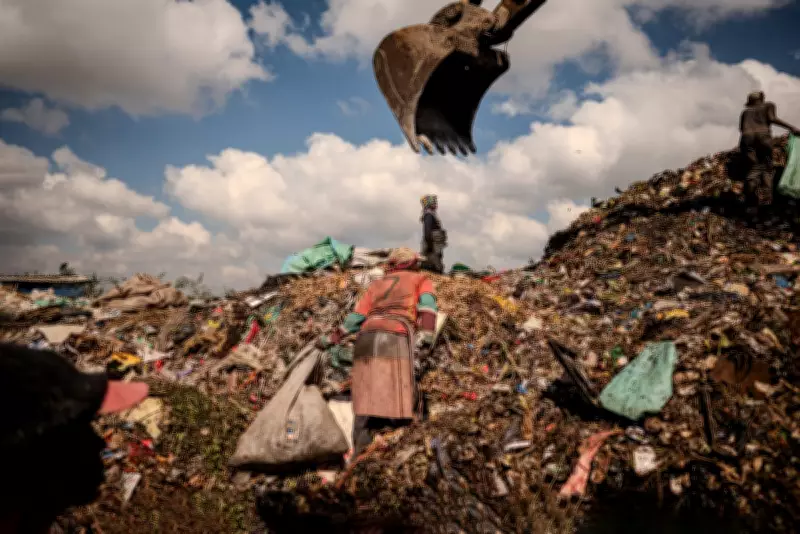
In the heart of Nairobi, the Dandora dumpsite sprawls across more than 12 hectares near the Nairobi River, receiving an estimated 2,000 tonnes of industrial and domestic waste every single day. This vast repository of plastic, textiles, e-waste, and other discarded materials has become the workplace for thousands of waste pickers who form the invisible foundation of global recycling chains.
The Daily Struggle for Survival
Each morning, predominantly female waste pickers descend upon mountains of unsorted trash, spending up to 12 hours daily sifting through toxic debris. They recover valuable recyclables that eventually feed international supply chains, yet earn a meager 300-500 Kenyan shillings (£1.75-£2.90) for their dangerous labor. Esther Kavini, a 34-year-old who has worked at Dandora for most of her life, now works five times harder for the same earnings as pre-sorting practices have reduced profitable materials arriving at the dump.
A recent study conducted by the Strategic Sector Cooperation on Circular Economy and Waste Management between Denmark and Kenya, in collaboration with the Nairobi Recyclable Waste Association, reveals that 86 out of 100 waste pickers interviewed report worsening economic conditions. This decline stems from increased competition, reduced recyclable materials due to pre-sorting, fewer truck arrivals, and rising living costs that outpace their minimal earnings.

Health Hazards and Systemic Neglect
The working conditions at Dandora present severe health risks that go largely unaddressed:
- Toxic exposure: Waste pickers breathe in harmful fumes from decomposing materials without proper protective equipment
- Physical injuries: Nearly all workers have suffered cuts from glass and metal debris
- Chronic health issues: 71% experience respiratory problems, joint pain, allergies, and infections
- Limited access: Most lack basic healthcare, clean water, and sanitation facilities
Joseph Mwangi Wambui, a 22-year-old who traveled to Nairobi after failing to find work in his village, expresses the dehumanizing reality: "Waste pickers are not considered humans." This social disdain compounds their struggles, with many labeled using derogatory terms like "chokoraa" (homeless scavengers).
The Human Cost of Global Consumption Patterns
Experts trace this crisis to colonial legacies and systemic inequities that have burdened vulnerable populations with the fallout of unsustainable consumption. As jobseekers migrate from rural areas seeking livelihoods, many become trapped in waste picking with few alternatives. The human impact extends beyond individual workers:
- Family involvement: 88% of waste pickers have children (averaging three or more), with many children helping on weekends
- Education disruption: 16% report school dropouts due to unpaid fees, perpetuating intergenerational poverty
- Gender disparities: Women face disproportionate sexual harassment (affecting 13% of workers)
- Violence exposure: 53% experience violence, with 43% reporting bullying
Jane Wangechi, a 30-year-old single mother of two who began waste picking as a teenager, represents this struggle. She endures 12-hour days, seven days a week, while her children assist during weekends, creating a cycle that offers little escape.
Resilience Amid Adversity
Despite these challenges, waste pickers demonstrate remarkable resilience and innovation. Communities have formed within the dump, with workers creating protective footwear by stitching together discarded shoes and building makeshift shelters from available materials. These adaptive strategies highlight their resourcefulness in the face of systemic neglect.

Organizations like the Kenya National Waste Pickers Welfare Association and Nairobi Recyclable Waste Association advocate for formal integration, social protections, and fair compensation. However, they face resistance from corporate and government entities, and only 30% of waste pickers belong to such groups. Many remain unaware of available support or are deterred by membership fees and distrust of organizations' effectiveness.
Agnes Adongo, a 45-year-old with a decade of experience on dumpsites, expresses skepticism about advocacy efforts: "A lot of organizations just make noise and talk about how waste pickers are important, but there is no impact on the ground."
Policy Gaps and Future Prospects
Kenya's National Sustainable Waste Management Policy of 2021 outlines efforts to formalize the waste sector, but implementation has lagged significantly. The disconnect between policy intentions and ground realities leaves waste pickers in precarious positions, with occasional donations of boots and gloves representing the extent of societal support for most workers.
The Dandora situation reveals fundamental flaws in global recycling narratives that overlook the human labor sustaining these systems. As international companies continue exporting single-use plastics and other waste to developing nations, the burden falls disproportionately on informal workers who risk their health and dignity for survival wages. Their story represents not just a local environmental issue, but a global ethical challenge in how societies value labor and manage consumption's consequences.