Australia's BYO Container Revolution: A Practical Guide to Reducing Plastic Waste
In Australia, there exists no legal barrier preventing food retailers from accepting customers' own containers for takeaway purchases. This simple fact opens up significant opportunities for reducing the nation's staggering plastic waste problem, which sees Australians generating 3.2 million tonnes of plastic waste annually according to government data. Approximately 39% of this waste consists of packaging materials, including 27,800 tonnes of single-use takeaway containers and 25,500 tonnes of plastic bags each year - equivalent to the weight of the Sydney Harbour Bridge.
The Historical Context of Reusable Containers
Before the proliferation of cheap, disposable packaging became standard practice, Australian families reportedly brought saucepans to their local Chinese restaurants for Friday night takeout collections. Until the early 1980s, fish and chips commonly arrived wrapped in recycled newspapers until ink contamination concerns prompted regulatory changes. Today, while reusable coffee cups have become commonplace and Tupperware containers dominate school lunch preparations, many Australians still feel hesitant about bringing their own vessels to salad bars or deli counters.
Getting Started with BYO Containers
Bianca Cotton, founder of the volunteer-run website BYO Containers, noticed confusion among zero-waste community members about their options. "A big part of what I was seeing was people who weren't sure what they could do or what was fair to ask," Cotton explains. Her platform now maps over 2,000 businesses willing to accept reusable containers, and she offers these practical suggestions for beginners:

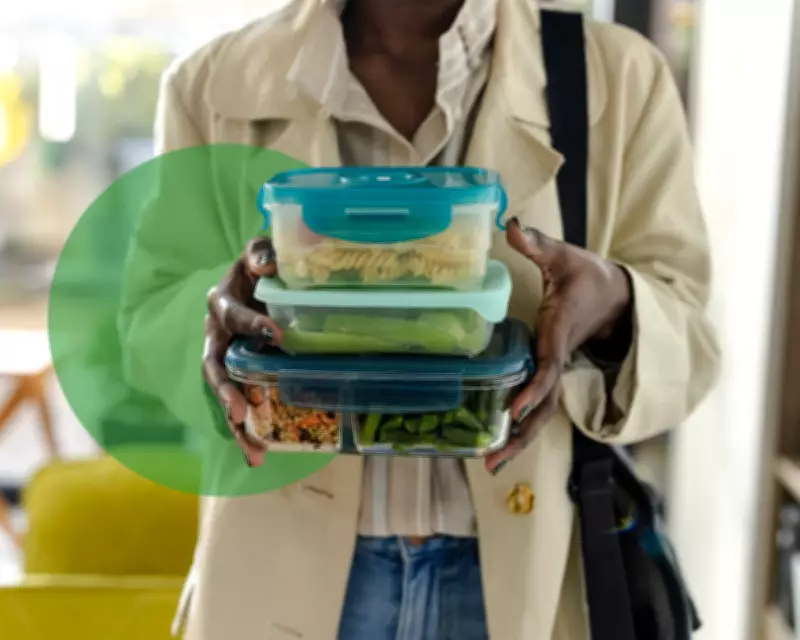
- Utilize Existing Resources: No special equipment purchases are necessary. Use Tupperware from your cupboard, netted bags for supermarket produce, or old jars. However, avoid repurposing single-use plastic containers from meal services as they degrade easily and may leach chemicals.
- Communicate Clearly: When requesting takeaway in your container, ask before ordering and explain your environmental goals. While cafes typically accept reusable coffee cups, other establishments might need education about the legality of BYO containers.
- Respect Business Discretion: Retailers may express concerns about cross-contamination, so ensure containers are sanitary. If refused, accept the decision gracefully or politely request to speak with management about reconsidering their policy.
Easy Entry Points for Beginners
Cotton recommends starting with sushi rolls, which most vendors happily place in customer-provided containers. Bakery items, sandwiches, and burgers also transition easily into lunchboxes with advance notice. At supermarkets, begin with mesh produce bags (often sold in-store), while cotton bags or even old pillowcases work well for bakery purchases. For regular takeaway customers, tiffin containers - stackable metal vessels popular in South Asian cuisine - represent excellent long-term investments.
Workplace Solutions for Sustainable Practices
While bringing lunch from home saves money, transporting containers daily proves inconvenient. Returnr, founded in 2018, addresses this through workplace kits providing shared reusable containers in various sizes. Employees can borrow coffee cups, bento boxes, or bowls for takeaway purchases, then return them to dishwasher-equipped stations for others to use.
Brett Capron, Returnr's design director, emphasizes stainless steel's superiority for reuse and recycling: "A stainless steel product will last for thousands and thousands of uses...it's an amazing material that just bounces back time after time." With 90% of metal waste recycled in Australia compared to just 12% of plastic, such systems offer tangible environmental benefits while making office returns more appealing through sustainable amenities.

Regional Variations and Future Outlook
Some Australian states, including South Australia and Western Australia, have implemented bans on plastic food containers and cutlery. However, nationwide legislation doesn't restrict customers from bringing their own vessels to food retailers. As environmental awareness grows and workplaces seek to attract employees with sustainable perks, the BYO container movement continues gaining momentum, offering practical solutions to Australia's plastic waste crisis while reviving historical practices of reusable packaging.