Readers Rally Against Paving Over Gardens for Nature's Sake
In response to Emma Beddington's recent article defending untidy gardens, readers from around the world have voiced their strong opposition to the widespread practice of replacing lush greenery with soulless hard standing. Many express deep disappointment and anger at what they see as a philistine disregard for nature's importance.
Global Perspectives on Garden Destruction
Joyce Bell from Lewes, East Sussex, questions how people can be so impervious to nature, suggesting that cars might be their only gods. She urges gratitude for the privilege of having a garden and calls for pride in verdant frontages, even proposing that David Attenborough could help shift destructive mindsets towards celebrating nature, whether manicured or wild.
From Malibu, California, Jane Warden shares her struggles as a half-English gardener in America, where low-maintenance yards often involve concrete and bark mulch, contradicting her preference for loose, messy gardens. She highlights California's new "Zone 0" fire prevention policy, which mandates gravel or concrete around homes, leading to a world of boiling hot surfaces that barely qualify as gardening. In response, she gardens in her head and supports rewilding projects in England.

Success Stories in Suburban Havens
Fernando Olmos and Jennifer Smith from Townsville, Australia, report on their thriving suburban garden, which they let evolve naturally. By planting edibles and installing an irrigation system, they've attracted a variety of insects, birds, and green tree frogs. They embrace weeds as part of the garden, only removing strangling vines, and see their approach as key to supporting local ecosystems.
The Loss of Childhood Joy and Wildlife
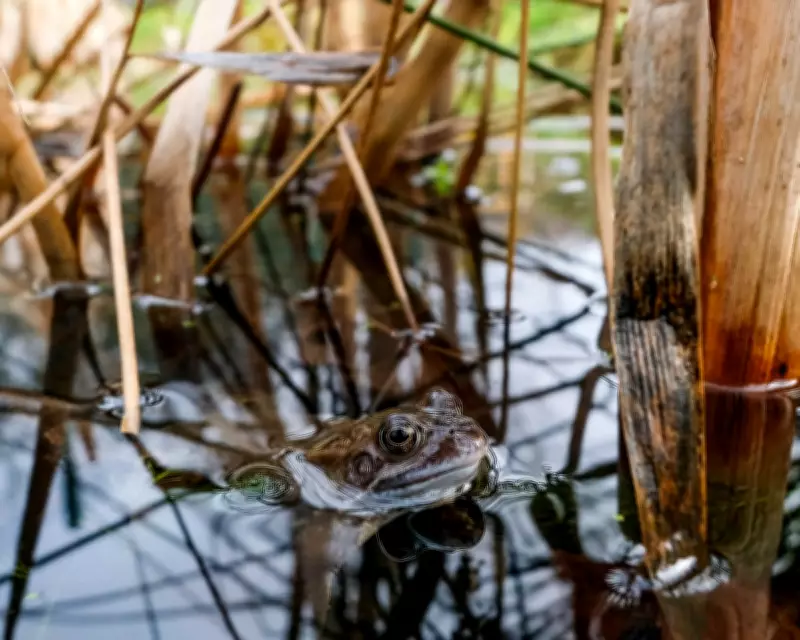
Rose Burn from Curdridge, Hampshire, recounts the sad tale of selling their house with a pond teeming with life, only to have the new owners remove it due to safety concerns for grandchildren. She reminisces about childhood memories of ponds in parks and neighbors' gardens, where frogs and other creatures brought endless joy. Denying children these experiences, she argues, is as tragic as the displacement of wildlife like frogs and newts.
In a defiant move, Rose pledges to dig a new pond in her new garden, ensuring as many children as possible can witness its wonders under close parental supervision. This act symbolizes a broader call to action against the trend of paving over natural spaces, emphasizing the need for gardens to grow wild as nature intended.