Dead Portuguese Man-of-War Found on Beach, Still a Threat
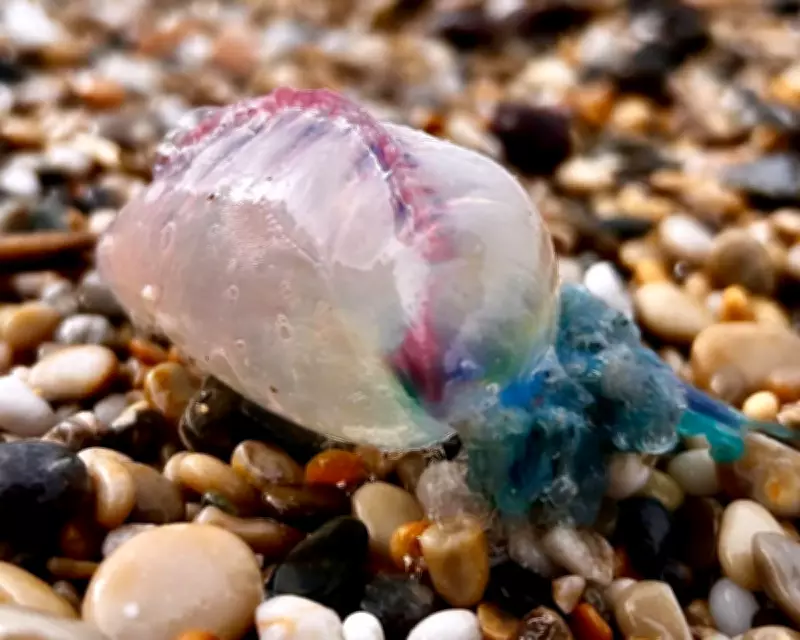
A recent incident on a British coastline has underscored a critical warning for beachgoers: a dead Portuguese man-of-war, washed ashore, remains capable of inflicting painful stings. This discovery, detailed in a country diary entry, highlights the persistent dangers posed by these marine creatures even after their demise.
Understanding the Portuguese Man-of-War
The Portuguese man-of-war, often mistaken for a jellyfish, is actually a siphonophore—a colonial organism composed of specialized polyps working together. Known for its vibrant blue or purple float and long, trailing tentacles, it is a formidable predator in warm ocean waters. Its tentacles, which can extend up to 30 meters, are armed with nematocysts, microscopic stinging cells that deliver venom to paralyze prey.
Key characteristics include:

- It is not a single animal but a colony of organisms.
- It relies on wind and currents for movement, often drifting into coastal areas.
- Its sting can cause severe pain, welts, and, in rare cases, life-threatening reactions.
Why Dead Specimens Are Still Dangerous
Even when dead and washed up on shore, the Portuguese man-of-war retains its stinging capability. The nematocysts in its tentacles remain active and can fire upon contact, posing a risk to unsuspecting beach visitors, children, and pets. This is because the venomous cells do not immediately degrade after death; they can remain potent for hours or even days, depending on environmental conditions.
Experts emphasize that handling or touching a dead Portuguese man-of-war should be avoided at all costs. If stung, immediate first aid involves rinsing the area with vinegar to neutralize the venom, followed by soaking in hot water to alleviate pain. Seeking medical attention is advised, especially for severe reactions.
Safety Measures and Public Awareness
This incident serves as a reminder of the importance of beach safety and environmental awareness. Authorities recommend that beachgoers stay vigilant, especially after storms or high tides when such creatures are more likely to be stranded. Warning signs and public advisories can help prevent accidents.
In the UK, sightings of Portuguese man-of-war are relatively rare but have increased in recent years, possibly due to climate change affecting ocean currents. This underscores the need for ongoing monitoring and education to protect public health and coastal ecosystems.
By understanding the risks and taking precautions, individuals can enjoy the seaside while minimizing hazards from marine life like the Portuguese man-of-war.