Lyrid Meteor Shower 2026: Peak Viewing Times and UK Visibility Guide
The world's oldest known meteor shower, the Lyrids, is set to illuminate the night sky once again, with activity beginning on April 16, 2026, and continuing through April 25. This celestial spectacle, first recorded in 687 BCE, occurs annually as Earth passes through the debris trail of comet C/1861 G1 Thatcher. The Royal Greenwich Observatory confirms that the shower will peak on the night of April 22, just days before the Quarter Moon, offering a potentially stunning display for skywatchers across the United Kingdom.
Best Time to See the Lyrid Meteor Shower
The Lyrid meteor shower reaches its maximum intensity on April 22, 2026, with the optimal viewing window occurring in the early morning hours of that day. Specifically, visibility is expected to be highest from around 2:00 AM onward, once the Moon has set and Earth's rotation positions viewers toward the cloud of cosmic debris. This timing minimizes lunar interference, allowing for clearer observations of the meteors as they streak across the sky at speeds of approximately 30 miles per second.
How to View the Lyrids in the UK
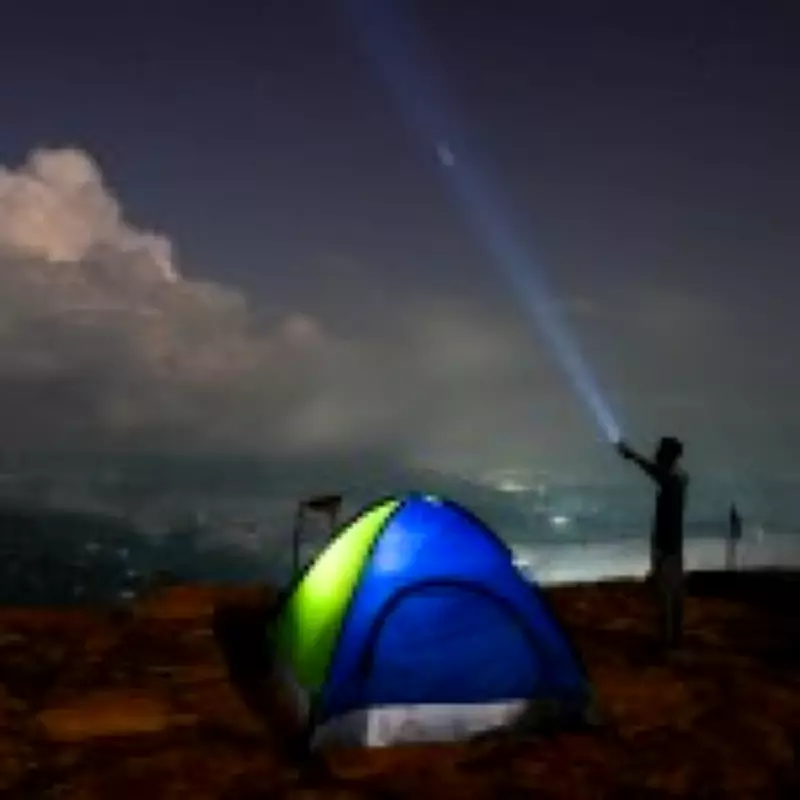
According to the Royal Greenwich Observatory, the best way to experience the Lyrid meteor shower is to find a dark location with an unobstructed view of the sky, preferably while lying down to maximize your field of vision. No specialized equipment is required, as the meteors are visible to the naked eye. However, factors such as light pollution and cloud cover can significantly impact the number of meteors you'll see. Urban areas with bright skies may drown out fainter meteors, so seeking out rural or less illuminated spots is advisable for optimal viewing.

The Science Behind the Spectacle
The Lyrid meteor shower derives its name from the Lyra constellation, from which the meteors appear to originate, though they are actually remnants of comet Thatcher. As these particles enter Earth's atmosphere at high velocity, they compress and heat the air in front of them, reaching temperatures as high as 1,600°C. This process causes the meteors to glow brightly, creating the characteristic streaks of light that captivate observers. The shower's longevity and historical significance make it a highlight for astronomers and casual stargazers alike.
Other Celestial Events in 2026
In addition to the Lyrids, skywatchers can look forward to the Eta Aquariids meteor shower, which overlaps with the Lyrids, beginning on April 19 and peaking on May 5. The Whirlpool Galaxy will also remain visible throughout the month, though binoculars or a telescope are needed to appreciate its glittering spiral structure. For those interested in lunar events, the year offers a full calendar of full moons, including:
- Flower Moon on May 1
- Blue Moon on May 31
- Strawberry Moon on June 30
- Buck Moon on July 29
- Sturgeon Moon on August 28
- Harvest Moon on September 26
- Hunter's Moon on October 26
- Beaver Moon on November 24
- Cold Moon on December 24
The Royal Greenwich Observatory emphasizes that actual meteor visibility depends on various conditions, including time of night and background light levels. By planning ahead and choosing the right location, UK residents can enhance their chances of witnessing this ancient astronomical phenomenon.