Rare-breed sheep from Mudchute Farm have returned to Hampstead Heath for grazing as part of a partnership project with the Heath & Hampstead Society, the Rare Breeds Survival Trust and Heath Hands. The sheep are helping manage vegetation naturally on the anthill meadows, supporting biodiversity and creating conditions for a wider variety of plants, insects and birds to thrive.
The return comes after a challenging summer on the Heath, which saw extended periods of hot, dry weather placing significant pressure on landscapes, wildlife and staff. Incidents of antisocial behaviour also created additional adversities for visitors and those working to care for the site.
Sheep grazing links to centuries-old tradition
Sheep grazing on the Heath is more than a conservation project; it is a living link to Hampstead Heath's past. Sheep were once a familiar sight here, and their return reconnects with a centuries-old tradition while helping care for the Heath in a sustainable way. The sheep also provide an environmentally friendly alternative to machinery in these sensitive habitats.
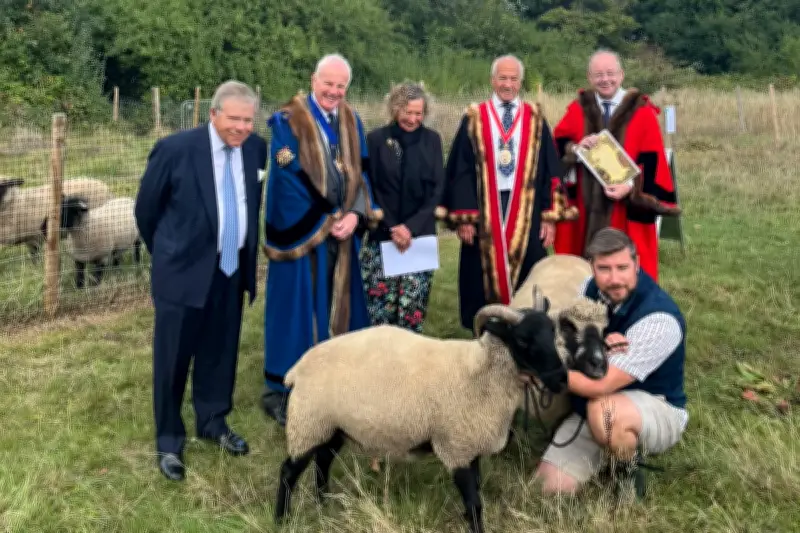
The sheep attracted plenty of admirers during their stay, including David Hopkins, the Master of the Worshipful Company of Woolmen, his wife Binnie, and Gwyn Howells, who has just finished his term as the Master of the Worshipful Company of Butchers. Their visit on the sheep's arrival highlighted the enduring connection between London's historic traditions and the conservation work taking place on the Heath today.
Upcoming events and investment in the Heath
As autumn approaches, more events are lined up, including the annual Conker Championships on 4 October, run in partnership with Heath Hands. As trustee of Hampstead Heath Charity, the City of London Corporation invests millions of pounds each year to care for the Heath – at no cost to council taxpayers – helping protect wildlife, maintain facilities and keep the landscape open for everyone.
Throughout the summer, staff and volunteers worked tirelessly to keep the Heath welcoming, safe and resilient. Their dedication has been remarkable, whether monitoring habitats, responding to incidents, caring for trees and wildlife, or helping visitors enjoy the Heath responsibly during a particularly demanding period.
Antisocial behaviour impacts conservation efforts
Antisocial behaviour matters and is disappointing to many. Every hour and expenditure spent dealing with litter, vandalism, fires and other preventable incidents is time and money that could otherwise be spent improving habitats, supporting conservation projects or maintaining facilities. The City of London Corporation also cares for open spaces right across southeast England.
By treating the Heath with respect, everyone can play a part in protecting this remarkable place for people and wildlife alike.