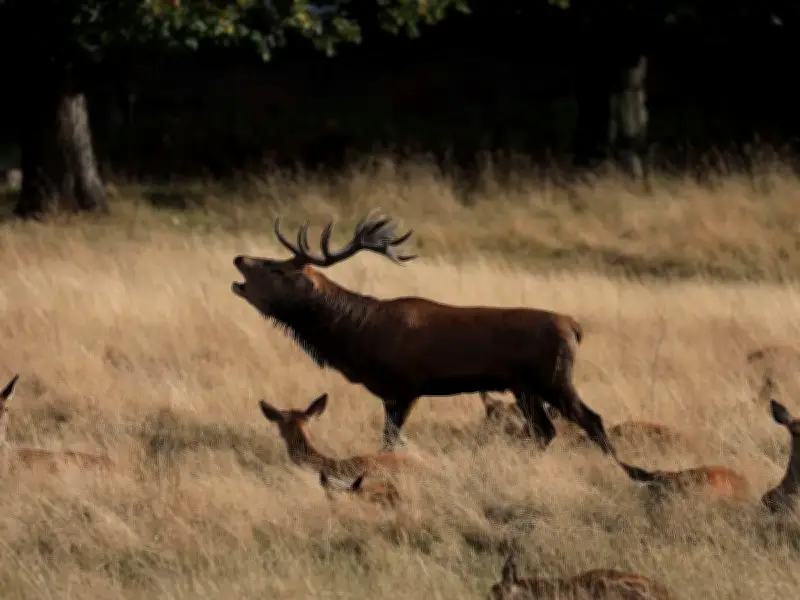
The Royal Parks has announced the start of its annual culling of fallow deer in Bushy Park, Kingston Upon Thames, a practice that began on September 1. The cull is carried out to manage the park's deer population, which currently stands at around 320 red and fallow deer.
Bushy Park, which receives over 5 million visits a year, will see its gates closed at certain times over the coming weeks to ensure visitor safety during the culling operations. The vehicle gates will close at 19:00 and pedestrian gates at 22:30, with both reopening at 8:00 each morning. These restrictions will be in place for six weeks from the beginning of September and again for six weeks from the beginning of November.
Why the deer cull is necessary
The Royal Parks states that the cull is necessary to prevent overcrowding and keep herds at a sustainable size. This approach is supported and endorsed by the British Deer Society and the Deer Initiative of England and Wales as best practice in deer herd management.

Deer have been roaming Bushy Park since Tudor times, with fallow deer being smaller and their summer coats usually spotted, ranging from cream to darkish brown. Red deer, the largest mammal native to the British Isles, have glossy red coats in summer.
Welfare and management concerns
According to The Royal Parks, if the herd size were not managed, it could lead to overpopulation and reduced food availability, which would 'ultimately make the deer suffer'. The culling is described as being strictly for 'welfare reasons' and not for profit.
The venison from the cull is sold, with the money raised going toward the cost of deer feed and the Wildlife Officers employed to look after the deer. Deer culling involves the use of firearms to manage the population.
Alternatives to culling considered
Wildlife campaigners have questioned why contraceptives or neutering couldn't be used instead of culling. The Royal Parks claims there are too many limitations with trying to use contraceptives on wild animals.
Administering oral contraceptives would not work as any urine or droppings from treated deer could 'contaminate' the wider habitat. Wild deer in the parks cannot be rounded up or handled without causing severe stress and injury, which means the Royal Parks would not be able to inject them with contraceptives.
The Royal Parks also states that if the deer population were to get older, this could lead to poor social structures, as no juvenile deer would be coming through. Deer culling also happens at Richmond Park.