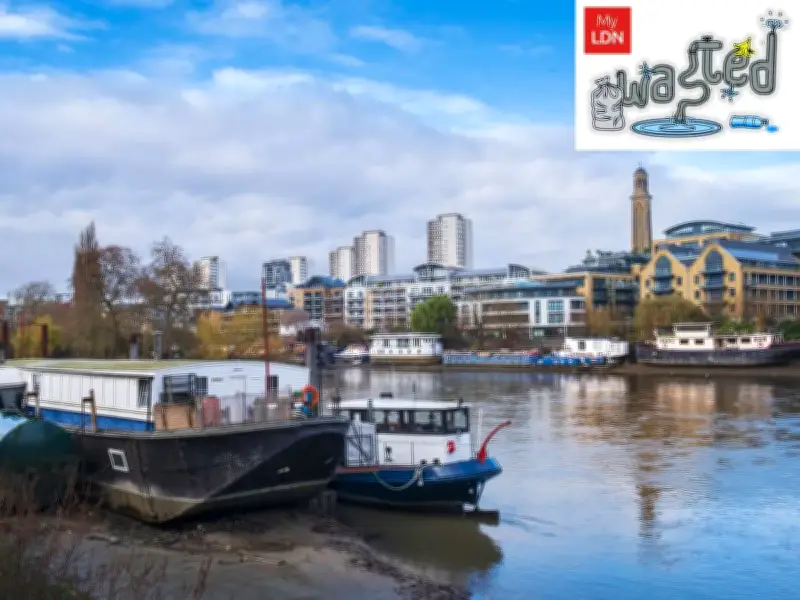
Dead animals have been spotted in the Brentford Lock basin, where the Grand Union Canal meets the River Thames, with residents linking the deaths to sewage flowing into the water. At a Brentford and Syon Area Forum meeting on September 21, local resident Paul Keane told councillors that the issue is worsened by this summer's “epidemic of heat,” which creates conditions for bacteria like E. coli and botulism to thrive.
Sewage misconnections and warm water create toxic conditions
Mr Keane said sewage is flowing directly into areas used for water sports, partly due to misconnections, where plumbing from housing developments is mistakenly connected to surface water drains instead of sewers. He described sewage as “the big fly in the ointment” and noted that it gets worse in summer when water moves slowly. He added that some of the problem is historic, but there is also contemporary misdirection of sewage into storm drains.
He stressed that he did not blame Hounslow Council but said the issue needs attention “if we do want to develop usage of the canal, particularly for children on the water.” He added, “The water has to be hygienic, and there are times when it simply isn't. It's a very difficult issue, but it needs an overall strategy.”

Cross-borough efforts underway, but more needed
Councillor Katherine Dunne, ward councillor for Syon and Brentford Lock, acknowledged the problem, noting that there is cross-borough working through a River Brent catchment area group. She said officers in Ealing and Brent are looking closely at misconnections, but the issue originates in those boroughs and then flows into Hounslow.
Mr Keane reported that dead animals found this summer were predominantly linked to E. coli and botulism. Botulism in aquatic animals is caused by ingesting toxins that thrive in warm shallow water. The main area where dead wildlife was found is around the Brentford Lock Basin, with the second section of water within the locks around Boston Manor Park being the most stagnant.
Stagnant water acts as an incubator for bacteria
Stagnant warm water acts as a biological incubator, rapidly accelerating E. coli growth while creating the low-oxygen conditions needed for botulism outbreaks. As water temperatures rise, the water's capacity to hold dissolved oxygen drops dramatically, and lack of movement prevents oxygen from mixing in from the air. Combined with E. coli, animals eventually die from both diseases.
Mr Keane told councillors that before hosting water sports events, the Canal and River Trust conducts water tests and has found the water is “generally quite clean.” However, he argued that an overall strategy is needed to ensure the canal is hygienic for recreational use.
Committee Chair, Cllr Dan Bowring, thanked Mr Keane for raising the issue, noting that the sites fall within the Brentford West ward. He urged residents to contact their local ward councillors, adding, “All councillors in Brentford will be concerned about this, as would all residents.”
In August, nine miles away in Ruislip, a resident spotted dead fish on the shore of the Lido, determined to be caused by an algal bloom that dropped oxygen levels. Hot weather exacerbated those conditions, leading to the fish deaths.