The Revival of Dusking: A Dutch Ritual for Modern Wellbeing
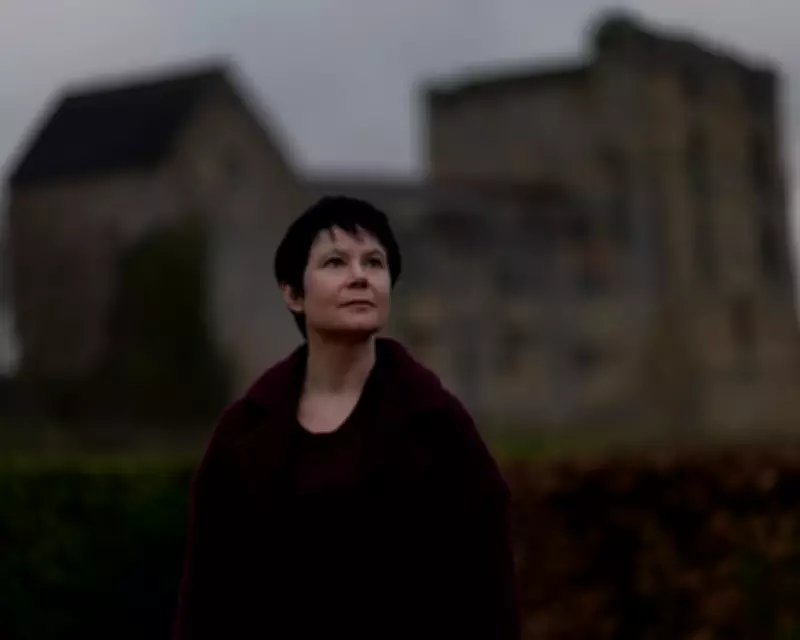
In the serene setting of the North York Moors, a unique event unfolds as darkness descends. About twenty participants gather in a walled garden, embracing an old Dutch custom known as "dusking" or schemeren. This practice, once a daily family ritual in the Netherlands, involves sitting quietly to observe the transition from day to night. Led by Dutch poet and author Marjolijn van Heemstra, dusking is experiencing a revival across Europe, with events now held in Ireland, Germany, and Yorkshire.
What Is Dusking and Why Is It Gaining Popularity?
Dusking is more than just watching the sunset; it's a focused mindfulness exercise. Van Heemstra explains that participants should fix their gaze on a single point, such as a tree, and witness it fade into the gloom. This practice, she says, helps disconnect from screens and artificial light, fostering a sense of peace and connection with the natural world. "It's a conversation with the world around you," she notes, emphasizing its accessibility—all you need is a chair and a view.
The ritual had nearly vanished until van Heemstra rediscovered it through an elderly Dutch woman's memories. Research revealed historical records dating back to the 18th century, including a how-to manual. "Dusking used to be so normal; a pause moment in the day," van Heemstra recalls. Now, she organizes guided sessions that have attracted hundreds, from Amsterdam's Amstel River to music festivals, with plans to expand across the Netherlands through schools and community outreach.

Health Benefits and the Fight Against Light Pollution
Dusking is touted as a form of mindfulness that can improve mental health by reducing stress and promoting relaxation. Van Heemstra argues that in an age of constant connectivity, this practice offers a much-needed break. "The real fad is the way we live now, estranged from the world," she says. "It makes us unhappy. Slow down. Stop being on our phones so much."
Beyond personal wellbeing, dusking highlights the growing concern over light pollution. Studies show that artificial light at night disrupts circadian rhythms, leading to sleep disorders, mood issues, and other health problems. A 2023 review by University College London linked light pollution to suppressed melatonin and increased risks of obesity, cancer, and cardiovascular disease. Van Heemstra points out that wildlife suffers even more, with species like insects, bats, and birds experiencing population declines due to disrupted nocturnal activities.
Research indicates that the average night sky worldwide brightened by 9.6% annually from 2011 to 2022, with only 10% of people in the western hemisphere experiencing truly dark skies. In response, initiatives like the North York Moors Dark Skies Reserve, a "gold tier" dark sky park, are implementing measures to reduce light pollution, such as dimming streetlights and using low-impact lighting.
Cultural Impact and Future Prospects
Van Heemstra sees dusking as a way to reclaim local heritage, contrasting it with imported practices like yoga or forest bathing. "Why not use that?" she asks, referring to the suitability of dusking at northern latitudes. She has even introduced the practice to teenagers, who initially giggled but eventually embraced it. "It really resonates with people," she observes.
The annual Dark Skies festivals in Yorkshire, which include dusking events, have inspired lifestyle changes among visitors, such as using eco-friendly lighting at home. As awareness grows, van Heemstra hopes dusking will become a widespread ritual, offering a simple, cost-effective way to reconnect with nature and combat the negative effects of modern life.
In a world increasingly dominated by artificial light, dusking serves as a gentle reminder of the beauty and importance of darkness. As van Heemstra puts it, "Darkness is a time of dreams, fears, stars, stories ... So many connections are lost when we don't have darkness in our lives. Dusking brings a little bit back."