Ancient Woodlands: Luke Barley's Deep Dive into Britain's Forest Legacy
In his compelling work Ancient, former ranger and woodland expert Luke Barley unveils the secret history of Britain's forests, tracing their evolution from post-ice age wildwoods to the fragmented ancient woodlands of today. This book challenges simplistic narratives, offering a nuanced account of how trees and humans have co-existed and influenced each other for thousands of years.
The Origins of Britain's Forests
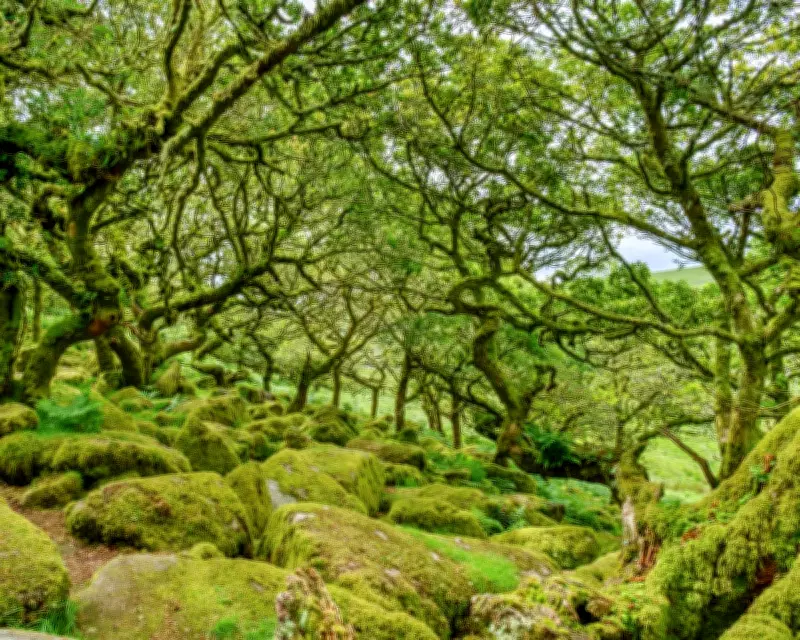
More than 10,000 years ago, as ice sheets retreated, trees such as birch, hazel, elm, oak, and alder began recolonizing Britain from warmer southern regions. By the time rising sea levels isolated the island from continental Europe, it was blanketed in a dense, primeval forest. Legend suggests a squirrel could traverse from coast to coast without touching the ground, but Barley argues this story oversimplifies a far more intricate reality.
Under classifications established in the 1970s, a wood in the UK is deemed ancient if it existed by 1600 in England and Wales, or by 1750 in Scotland, as documented on early accurate maps. These remnants, known as ancient semi-natural woodlands, serve as vital links to the original wildwood, harboring unique ecosystems in undisturbed soils that human efforts cannot replicate.

The Human Connection to Woodlands
Barley, a chartered forester, emphasizes the deep, grueling intimacy between people and trees throughout history. Until the Industrial Revolution, wood was fundamental to all aspects of life and technological advancement. It provided firewood for heating, charcoal for metal smelting, and timber for tools, furniture, and construction—notably, medieval cathedrals required over 1,000 mature oaks each. This resource fueled Britain's rise as a naval power, making wood synonymous with wealth.
The book is rich with the arcane vocabulary of woodcraft, including terms like treen, coupe, cant, and hagg, alongside more familiar practices such as coppicing. Barley debunks the myth of untouched natural forests, noting that trees evolved alongside megafauna like super-elephants and super-rhinoceroses that disrupted woodlands. Humans, through techniques like coppicing, have taken on similar roles, creating conditions for diverse ecosystems to thrive.
Decline and Modern Challenges
From the 18th century onward, industrialization, enclosure, and the shift to fossil fuels severed the ancient bonds between people and woodlands. Common rights protected by the 1217 Charter of the Forest, such as pannage for grazing pigs and estovers for fuel wood, were lost. This period saw accelerated forest destruction, with nearly half of Britain's ancient woodland cleared or replanted with commercial conifer plantations between World War II and the 1980s. Today, ancient woodlands cover only 2.5% of Britain's land area.
This history of extraction and privatization parallels the intensifying climate and nature crises. In 2023, the UK was identified as one of the world's most nature-depleted countries. As part of net-zero efforts, the government has set a legally binding target to achieve 16.5% woodland cover in England by 2050. Barley's work underscores why these goals are critical, arguing that protecting trees is not a luxury but a necessity for survival, a truth our ancestors understood far better than we do.
Ancient: Reviving the Woods That Made Britain by Luke Barley is published by Profile, priced at £25. It serves as a vital reminder of our enduring dependence on woodlands and the urgent need for conservation in the face of environmental challenges.