Houseplant Hacks: Can LECA Balls Replace Soil for Healthier Plants?
In the ever-evolving world of indoor gardening, a new trend is taking root: using LECA balls as a soil alternative to potentially boost plant health. LECA, which stands for Lightweight Expanded Clay Aggregate, consists of small, porous clay balls that offer a modern approach to plant care. This method is gaining popularity among houseplant enthusiasts seeking innovative ways to nurture their green companions.
What Are LECA Balls and How Do They Work?
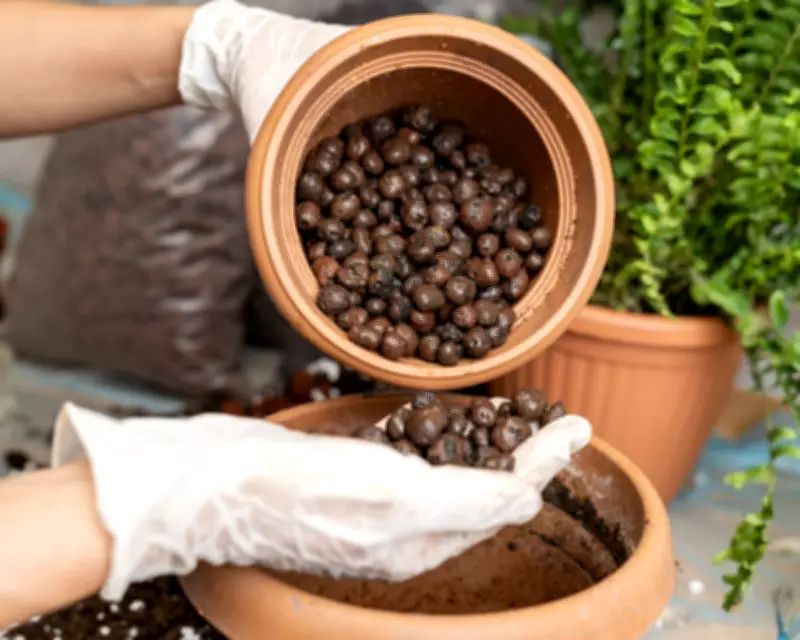
LECA balls are made by heating clay to high temperatures, causing it to expand and form lightweight, airy pellets. These balls create a stable, inert medium that does not decompose like traditional soil. When used in plant pots, they provide excellent drainage and aeration, allowing roots to breathe more easily and reducing the risk of waterlogging, a common issue that can lead to root rot and other plant diseases.
Unlike soil, LECA does not contain organic matter that can harbor pests or pathogens, making it a cleaner option for indoor environments. This can be particularly beneficial for urban dwellers or those with limited space, as it minimizes mess and maintenance. Additionally, LECA balls can be reused after sterilization, offering an eco-friendly advantage over disposable soil mixes.

Benefits of Switching to LECA Balls
Transitioning houseplants to LECA balls can yield several health benefits. First, the improved drainage helps prevent overwatering, a leading cause of plant decline. By allowing excess water to flow freely through the balls, roots are less likely to sit in moisture, promoting stronger growth and reducing fungal infections.
Second, LECA provides consistent aeration, which encourages robust root development. Healthy roots are essential for nutrient uptake, leading to lusher foliage and more vibrant blooms. This method also simplifies fertilization, as nutrients can be added directly to the water reservoir, ensuring plants receive a steady supply without the guesswork often associated with soil-based feeding.
Third, using LECA balls can reduce pest infestations. Soil can attract insects like fungus gnats, but LECA's inert nature makes it less hospitable to such pests. This creates a healthier environment for plants, especially in homes where chemical pesticides are undesirable.
Practical Tips for Using LECA Balls
If you're considering making the switch, start with plants that tolerate drier conditions, such as succulents or philodendrons. Here's a step-by-step guide:
- Prepare the LECA: Rinse the balls thoroughly to remove dust and debris, then soak them in water for a few hours to ensure they are fully hydrated.
- Transition the Plant: Gently remove the plant from its soil, carefully washing the roots to eliminate any remaining soil particles. This helps prevent contamination in the new medium.
- Set Up the Pot: Place a layer of LECA balls at the bottom of a clean pot, then position the plant on top, adding more balls around the roots to secure it. Ensure the pot has drainage holes to maintain proper water flow.
- Watering and Feeding: Use a water reservoir system, where the pot sits in a tray with water, allowing the LECA to wick moisture upward. Add liquid fertilizer to the water as needed, following product instructions for optimal plant nutrition.
Monitor your plants closely during the transition period, as they may need time to adjust to the new medium. With patience and care, many houseplant owners report healthier, more resilient plants after switching to LECA balls.
Is LECA Right for Every Plant?
While LECA balls offer numerous advantages, they may not be suitable for all houseplants. Species that thrive in consistently moist soil, such as ferns or calatheas, might struggle in this drier environment. It's essential to research your specific plants' needs before making changes. Experimenting with a few plants first can help you gauge success without risking your entire collection.

In summary, LECA balls present a promising soil alternative for enhancing plant health through better drainage, aeration, and pest reduction. By following practical tips and understanding plant requirements, indoor gardeners can explore this hack to cultivate thriving, beautiful houseplants.