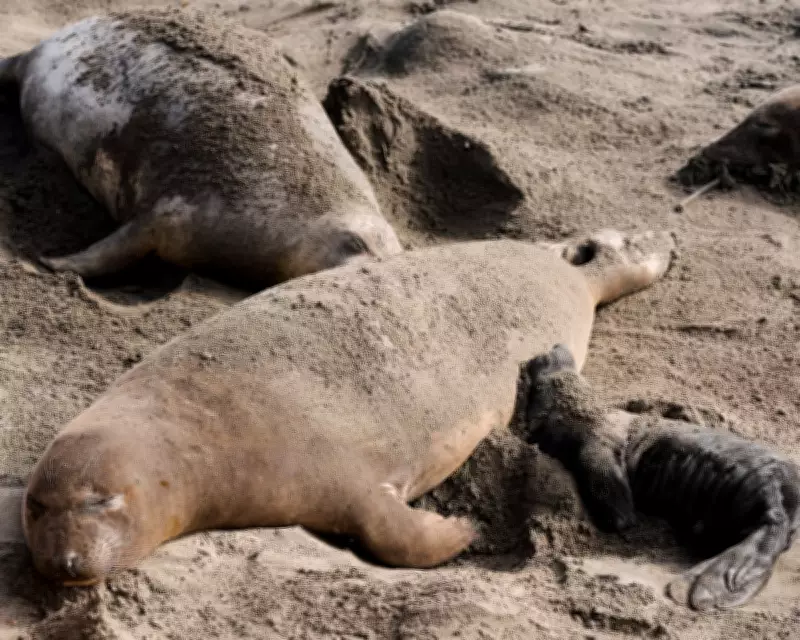
Bird Flu Outbreak Devastates Elephant Seal Pups in California
A severe outbreak of bird flu has tragically killed numerous elephant seal pups along the California coast, according to recent reports. This alarming development has raised significant concerns among wildlife conservationists and public health officials about the broader implications for marine ecosystems and potential risks to human populations.
Details of the Outbreak
The bird flu virus, specifically identified as a highly pathogenic strain, has been detected in elephant seal colonies in California. The outbreak has primarily affected vulnerable pups, leading to a notable increase in mortality rates. Experts are closely monitoring the situation to assess the full extent of the impact on the elephant seal population and other wildlife species in the region.
Conservation and Health Concerns
Wildlife conservationists are deeply worried about the long-term effects of this outbreak on elephant seal populations, which are already facing challenges from habitat loss and climate change. The rapid spread of the virus among pups could hinder recovery efforts and threaten the species' stability in California's coastal areas.
Public health officials are also on high alert, as bird flu viruses can sometimes pose risks to humans through direct contact with infected animals or contaminated environments. While the current strain is not known to be highly transmissible to people, authorities are advising caution and implementing measures to prevent potential spillover events.
Response and Monitoring Efforts
In response to the outbreak, local and federal agencies have increased surveillance and testing of wildlife in affected areas. Researchers are collecting samples from dead and sick seals to better understand the virus's transmission patterns and virulence. Conservation groups are working to mitigate the outbreak's impact by supporting rescue and rehabilitation efforts for affected pups.
This incident underscores the importance of ongoing wildlife health monitoring and the need for robust conservation strategies to protect vulnerable species from emerging infectious diseases. As the situation evolves, further updates are expected from authorities regarding containment measures and public safety advisories.