
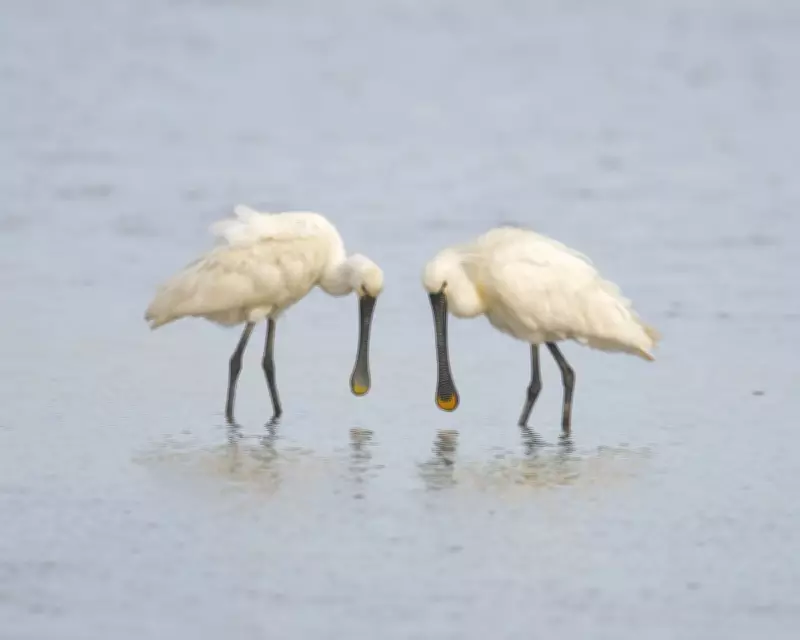
A recent country diary entry has illuminated the profound joys and ecological insights that can be gleaned from a seemingly mundane wet walk, particularly through the lens of observing spoonbills in their natural wetland habitats. This narrative not only celebrates the resilience of these distinctive birds but also underscores the critical importance of ongoing conservation initiatives aimed at preserving such biodiverse environments.
The Unanticipated Rewards of a Damp Excursion
Often, the prospect of a walk in damp, inclement weather might deter even the most enthusiastic nature lovers. However, this country diary account challenges that notion by detailing how such conditions can actually enhance wildlife observation opportunities. The author describes traversing muddy paths and sodden fields, where the reduced human activity and heightened animal presence create a unique window into the natural world. The wet environment, far from being a hindrance, proved to be a catalyst for encountering rare and fascinating species, with spoonbills taking center stage in this particular journey.
Spoonbills: A Symbol of Wetland Vitality
Spoonbills, with their iconic spoon-shaped bills and elegant white plumage, are a captivating sight in UK wetlands. The diary entry provides vivid descriptions of these birds foraging in shallow waters, using their specialized bills to sift through mud and water for small aquatic creatures. Observations noted their graceful movements and social behaviors, such as nesting in colonies and engaging in communal feeding. This firsthand account highlights how spoonbills serve as key indicators of wetland health, thriving in areas with clean water and abundant food sources. Their presence signals a well-functioning ecosystem, making them a focal point for conservationists and birdwatchers alike.
Conservation Implications and Public Engagement
The diary's revelations extend beyond mere observation, delving into the broader implications for environmental stewardship. By documenting the spoonbills' habitat preferences and behaviors, the entry reinforces the need for robust wetland conservation strategies. These include protecting existing wetlands from development, restoring degraded areas, and managing water quality to support diverse wildlife. Moreover, the narrative encourages public engagement through activities like wet walks, which can foster a deeper appreciation for nature and inspire community involvement in conservation projects. The author emphasizes that such experiences are not just recreational but educational, offering lessons in biodiversity and ecological interconnectedness.
Broader Environmental Context and Future Outlook
This country diary piece is situated within a larger context of growing environmental awareness and action. As climate change and habitat loss threaten wetlands globally, stories like this one highlight the resilience of species like spoonbills and the urgent need for sustained conservation efforts. The entry calls for increased funding and policy support for wetland protection, as well as greater public awareness campaigns to highlight the value of these ecosystems. Looking ahead, the author suggests that more people should embrace wet walks as a means to connect with nature, contributing to both personal well-being and collective environmental goals. By sharing these insights, the diary aims to spark a wider conversation about the importance of preserving our natural heritage for future generations.



