
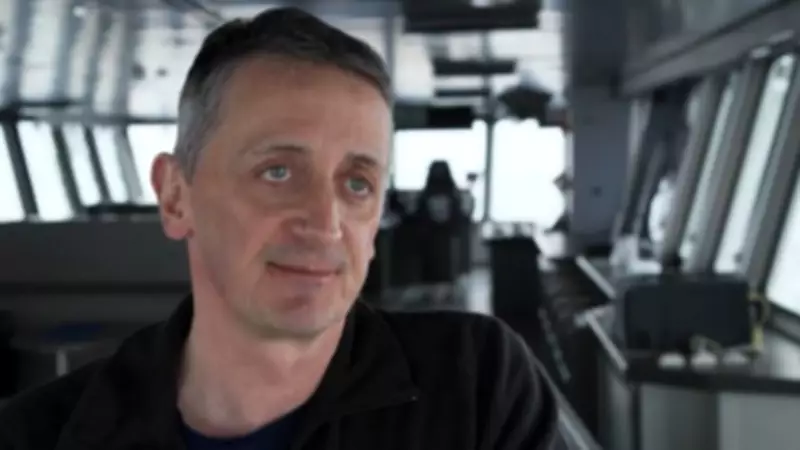
From uncovering a hidden "garden of Eden" in the Antarctic depths to grappling with the pervasive impact of human selfishness, marine biologist Professor Jon Copley offers an exclusive look into the emotional and professional journey of his field. In a candid interview, he delves into salaries, the highs of discovery, and the urgent call for environmental stewardship.
Career Insights and Financial Realities
For those considering a career in marine biology, Professor Copley outlines the typical salary trajectory in UK academia. Starting at around £35,000 after completing a PhD, earnings can rise to approximately £75,000 over two decades of dedicated work. However, he stresses that identity should not be tied solely to one's job. Instead, he advises defining oneself by personal passions, which can be pursued both within and outside professional life.
The Highs and Lows of Ocean Exploration
On expeditions, Copley has witnessed profound moments of human unity and disheartening signs of neglect. He recalls scientists brought to tears by the awe-inspiring beauty of the deep ocean, a testament to our capacity for shared wonder. Yet, he also regularly encounters litter in unexplored regions, highlighting humanity's harmful selfishness. This duality, he notes, underscores our potential for both remarkable collaboration and destructive behavior.
Memorable Discoveries and Scientific Impact
One of Copley's most unforgettable experiences was discovering hot springs on the Antarctic ocean floor, 1.5 miles deep. These volcanic vents support a lush colony of deep-sea life, including white crabs, brown snails, and yellow-stalked barnacles, with over 30 previously unknown species. This "hidden Garden of Eden" challenges assumptions about life in extreme environments and offers valuable insights for fields like engineering and medicine. For instance, deep-sea snails inspire advancements in solar panel technology, while bacteria contribute to cancer therapies.
Challenges and Essential Skills
Copley expresses frustration with the growing administrative bureaucracy in research and teaching, which often lacks clear benefits. He emphasizes that strong communication skills are crucial for securing funding, reporting discoveries, and influencing policymakers. On fieldwork expeditions, effective teamwork and clear communication are vital in high-stakes situations aboard research ships, where meticulous planning and consistent routines are necessary for success.
The Threat of Climate Change
The biggest danger to our oceans, according to Copley, is human selfishness. He explains that the ocean has absorbed 90% of excess atmospheric heat from greenhouse gases, leading to warming waters that disrupt marine ecosystems. Species are migrating toward the poles, causing cascading changes, while ocean acidification threatens shell-forming organisms. Additionally, deoxygenation in deep-sea waters, driven by weakened currents, poses a severe long-term risk, with oxygen levels projected to decline by 10% due to past human actions.
Call to Action and Career Advice
Copley urges world leaders to recognize the unprecedented environmental crisis and adapt outdated systems. For individuals, he believes the most impactful step is to vote for representatives committed to meaningful climate action. In terms of career paths, marine biology in academia is competitive with few openings, but opportunities exist outside universities. A master's degree can provide an edge, with skills like communication and leadership being key differentiators. For academic research, a PhD is essential, involving up to eight years of training.
Through his experiences, Professor Jon Copley highlights the wonders of the deep ocean and the urgent need for collective responsibility to preserve our planet for future generations.



