
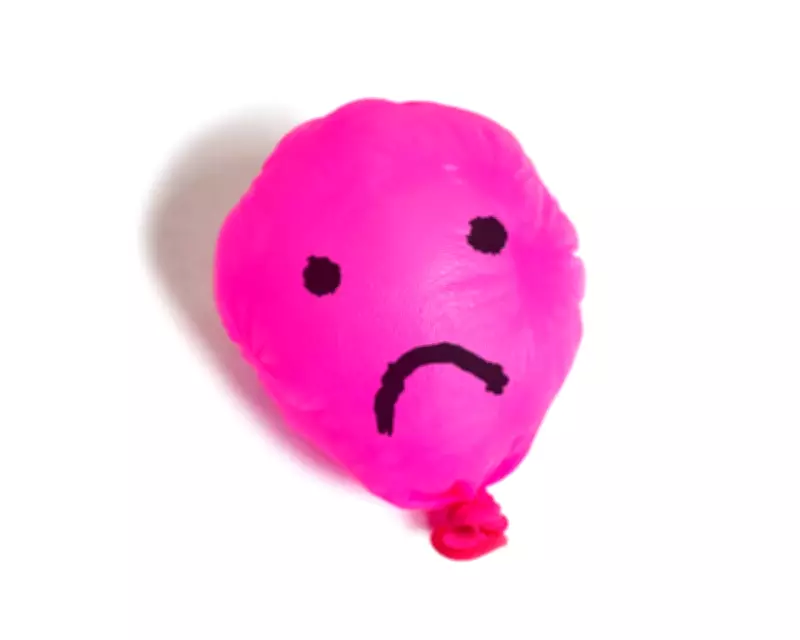
The Dark Side of the Balloon Boom: Is It Time for a Ban?
Balloons have long been symbols of celebration, from arches at parties to releases at funerals. However, these floating bits of rubber and plastic are causing a growing environmental crisis. As some retailers refuse to sell them, the push for bans and alternatives intensifies.
The Environmental Toll of Balloons
Many balloons are single-use plastics, and even biodegradable latex options do not decompose quickly. In 2019, scientists found that balloons eaten by seabirds are more lethal than other plastics. Despite this, balloon decor has surged in popularity, with arches and drops at events like baby showers and graduations.
Balloon releases, often used at funerals to symbolize letting go, are particularly problematic. Helium balloons can travel up to 10 km high and cover vast distances—one launched in Derby was found in Sydney, Australia, after 10,000 miles. When they land, they pose risks to livestock and pets, with reports of animals choking or ingesting them.
Industry Pushback and Alternatives
Naomi Spittles, a balloon seller in Lincoln, made headlines by refusing a £600 order for a memorial release, citing environmental concerns. She advocates for bans, suggesting alternatives like bubble machines, memorial benches, or tree planting. The National Association of Balloon Artists and Suppliers also advises against releases and offers recycling programs for balloon waste.
In the UK, no nationwide ban exists, but nearly 100 local authorities have outlawed releases. Similar restrictions are in place in the US, Australia, Denmark, and Finland. Activists like the Vosburgh sisters, founders of Balloons Blow, highlight that latex balloons, marketed as biodegradable, can last years and harm wildlife by mimicking food sources.
The Rise of Balloon Culture and Its Consequences
Balloons became party staples in the 19th century due to their affordability and visual appeal. Today, celebrity endorsements on social media have fueled their popularity, with stars like Khloe Kardashian and Selena Gomez showcasing elaborate displays. However, foil balloons, invented in the late 1970s, add to the problem by conducting electricity and interfering with power lines.
Research shows that so-called biodegradable balloons do not degrade meaningfully in compost, continuing to threaten ecosystems. The Marine Conservation Society reports that nearly 40% of UK beaches have discarded balloons, prompting recommendations for reusable alternatives like streamers, flags, and illuminated bubbles.
Moving Forward: A Call to Action
With helium being a finite resource needed for medical equipment like MRI scanners, experts argue against its use in balloons. Activists urge the public to adopt eco-friendly commemorations, such as ribbon dances or seed bombs, to reduce landfill waste. As awareness grows, the question remains: is it time to let go of balloons for good?



