
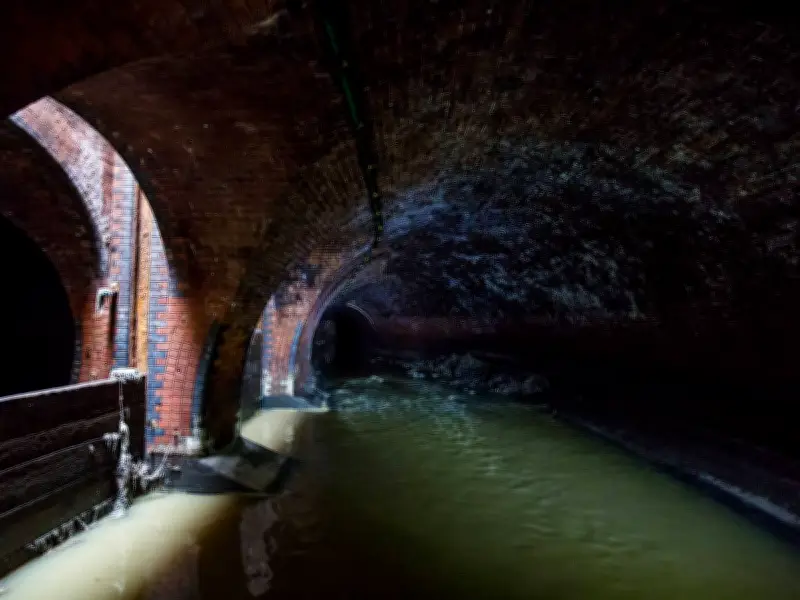
The summer of 1858 was so foul in London that Parliament nearly relocated to escape the stench. Known as the Great Stink, the crisis was triggered by a combination of sweltering temperatures, human waste, and industrial chemicals dumped into the River Thames, which served as an open sewer for the rapidly growing city.
How the Great Stink unfolded
By 1858, London's population boom had overwhelmed the existing sanitation infrastructure. The Thames became a 'deadly sewer,' as described by Charles Dickens, who wrote: 'In the place of a fine, fresh river. The offensive smells... have been of a most head-and-stomach-distending nature.' The Evening Standard recorded temperatures of 48°C in the sun, intensifying the stench and bringing the capital to a standstill.
Queen Victoria and Prince Albert reportedly lasted only two minutes on a river cruise before abandoning ship due to the smell. Even politicians in Westminster were affected; they soaked curtains in lime chloride to mask the odor and left meetings early, with handkerchiefs pressed to their noses. Calls grew to move Parliament to St Albans, Hertfordshire, or even Oxford.
The political response and Bazalgette's solution
On June 15, 1858, Prime Minister Benjamin Disraeli introduced the Metropolis Local Management Amendment Bill. The bill mandated relocating sewerage outlets away from London and imposed a three-penny levy on all households (equivalent to about 80p today) to fund construction. Parliament enlisted civil engineer Joseph Bazalgette to overhaul the capital's sewer network.
Bazalgette extended street sewers by 1,100 miles and built 82 miles of interconnecting sewers to intercept waste before it reached the Thames. The project cost approximately £300 million in today's money. However, his Victorian sewers, designed for a city of 3 million, proved inadequate for London's current population of over 9 million.
Modern solution: the Thames Tideway
To address this, the Thames Tideway Scheme, a 'mega' sewer, began operation in February 2025. It stretches 25 km in length and 7.2 m in diameter, designed to relieve strain on the existing network and prevent flooding. As of its launch, it has diverted 21 million tonnes of sewage away from the Thames.



