
Many Australian homes are poorly insulated for winter, leading to heat loss and high energy bills. Tim Forcey, a home energy adviser and author of My Efficient Electric Home Handbook, explains: “Our houses are leaky and they leak the heat away. You can be pretty chilly at home even if you’re trying to run the heater.” Simple, low-cost measures can help retain warmth and reduce energy consumption.
Draught-proofing and insulation on a budget
The average Australian home has a three-star energy rating under the Nationwide House Energy Rating Scheme, while modern homes must meet a minimum seven-star rating. Older homes and rentals often lack double glazing and insulation. Forcey recommends sticking bubble wrap to windows to create a double-glazed effect: “Bubble wrap is a really good insulator, you can still get light through it, and it’s a lot cheaper than double-glazed windows. Just spritz it with water and it’ll stick right on.”
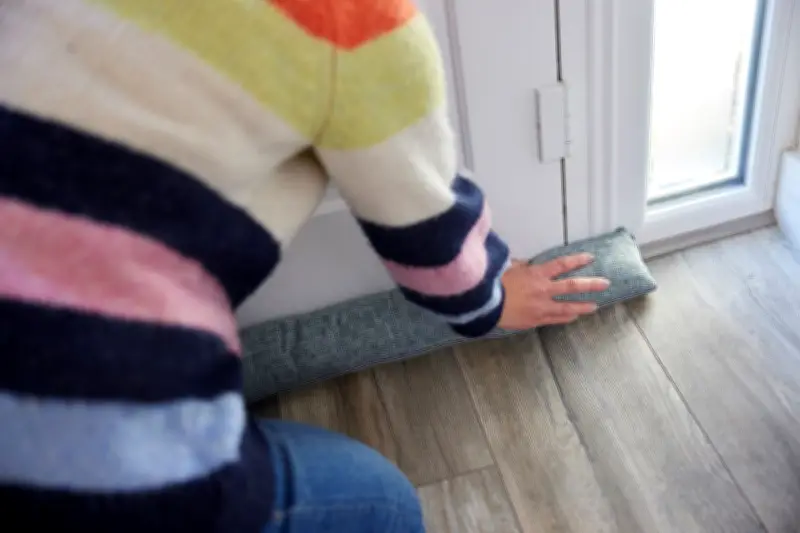
Anna Matilda, a permaculture educator and founder of The Urban Nanna, uses heavy bedspreads or curtains over doorways to block draughts. She secures them with nails and rubber bands at the top of the door jamb. Door snakes—long fabric tubes filled with sand or rice—placed at the bottom of doors also prevent cold air from entering and heat from escaping. According to the federal government, combining such draught-proofing measures can save as much as 25% on home heating.
Heat the person, not the space
Forcey and Matilda both advocate for “heating the person, not the space.” Wearing natural fibres like cotton and wool, using wearable blankets, double-layered pants, electric throws, heated ponchos, and hot-water bottles are effective. “All that adds to dollars saved,” Forcey says, as these items use far less energy than space heaters.
Warming habits
Simple habit changes can also help. Matilda cooks earlier in the evening to heat the home before temperatures drop. Engaging in physical tasks like changing sheets or taking out bins generates body heat. Spending time in heated public spaces such as libraries, laundromats, or community centres is another strategy.
Choose the most efficient heater
When heating is necessary, the World Health Organization recommends a minimum indoor temperature of 18C to reduce health risks. Forcey says reverse-cycle air conditioners are the most energy-efficient option: “It’s a third the cost of using a gas heater, and a fifth the cost of using an electric heater.” He advises focusing on heating only the room in use and cleaning the filter regularly—a simple DIY task that improves efficiency.



