
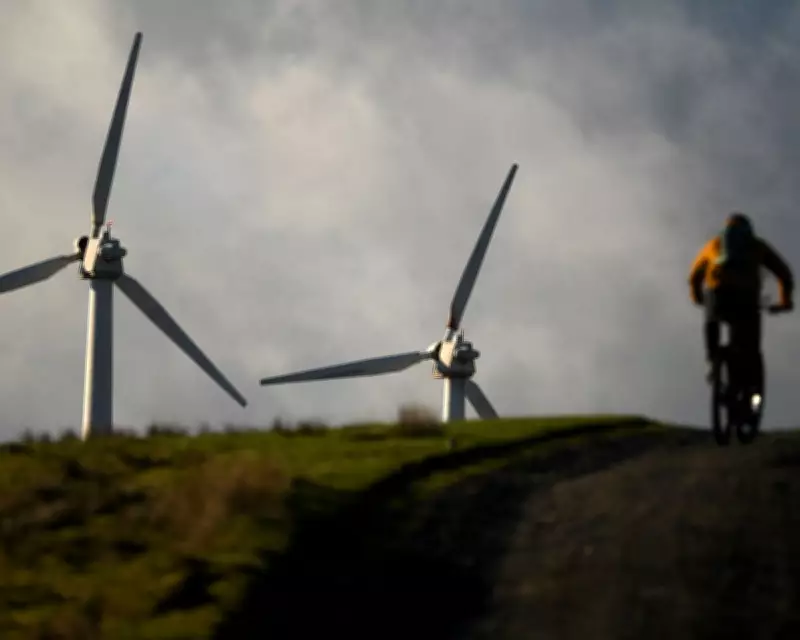
Labour's Wind Farm Plans Threaten Wales' Cambrian Mountains Wilderness
In a controversial move, Labour's energy minister, Ed Miliband, has lifted the ban on onshore wind turbines, leading to proposals for massive wind farm projects in the Cambrian mountains of mid-Wales. These plans, facilitated by a complicit Welsh government, involve over a hundred gigantic turbines, some reaching heights of 220 to 230 metres—more than double the size of Big Ben and 50% taller than any existing structures in England and Wales.
The Price of Renewable Energy
While the world faces rising temperatures and the need for renewable energy sources, the question arises: what is the acceptable cost? The Cambrian mountains, often overlooked as a national park despite their grandeur and wildness, are now at risk of industrialisation. Spanning nearly 500 square miles, this remote wilderness is one of Britain's most precious landscapes, yet it lacks the protection of formal designation, making it vulnerable to development.
Each turbine in these projects would require excavating enormous pits filled with 2,000-tonne concrete foundations and consuming at least 100 tonnes of steel. The construction would also necessitate an extensive infrastructure of roads, repair facilities, and storage warehouses, along with over 200km of pylons to connect to the National Grid. The carbon footprint from this development is significant, especially given that wind turbines typically have a lifespan of only 20 to 25 years before replacement.
Local Opposition and Environmental Concerns
Local protests have been vocal, with organisations like the Wild Wales Trust warning that the projects would "degrade and industrialise huge areas of the uplands and valleys." They highlight that some sites infringe on Wales' only Unesco biosphere in the Dyfi valley. The Campaign for the Protection of Rural Wales also strongly opposes the development, while the Welsh Greens face a dilemma in balancing their support for wind power with environmental preservation.
A major issue is the lack of residents in the Cambrian mountains to defend the area, with only hand-drawn notices on the Glaslyn uplands pleading for reprieve. Proposed sites include a hilltop industrial estate of 26 turbines and a beauty spot known as the Artists Valley, which would be crowned by 37 turbines, potentially forcing a name change due to the visual impact.
Energy Export and Historical Parallels
Critics argue that these turbines are not needed for Wales' energy needs, as the country is progressing towards renewable self-sufficiency and is a net exporter of energy. Instead, the projects would primarily supply energy to the rest of the UK, echoing past controversies like the flooding of Welsh valleys in the 1960s to provide water for Liverpool. This raises concerns about sacrificing local wilderness for broader national benefits.
Wind turbines could be placed in various locations where wind is abundant, but choosing a pristine area like the Cambrian mountains for political ambition is seen as misguided. The potential damage to this wild landscape is described as obscene, with lasting impacts on biodiversity and scenic beauty. As debates continue, the future of this Welsh wilderness hangs in the balance, highlighting the complex trade-offs in the push for renewable energy.



