
Europe's Green Transition: Unlearned Lessons from the 1970s Oil Crisis
When Middle Eastern wars triggered a severe oil crisis in the 1970s, energy prices tripled, plunging economies into turmoil. In response, several European nations embarked on ambitious green transitions, setting examples that have been largely forgotten in today's energy debates. As Europe grapples with renewed fossil fuel dependency following Russia's invasion of Ukraine, revisiting these historical strategies offers crucial insights for accelerating sustainable energy solutions.
Danish Wind Turbines: Pioneering Renewable Power
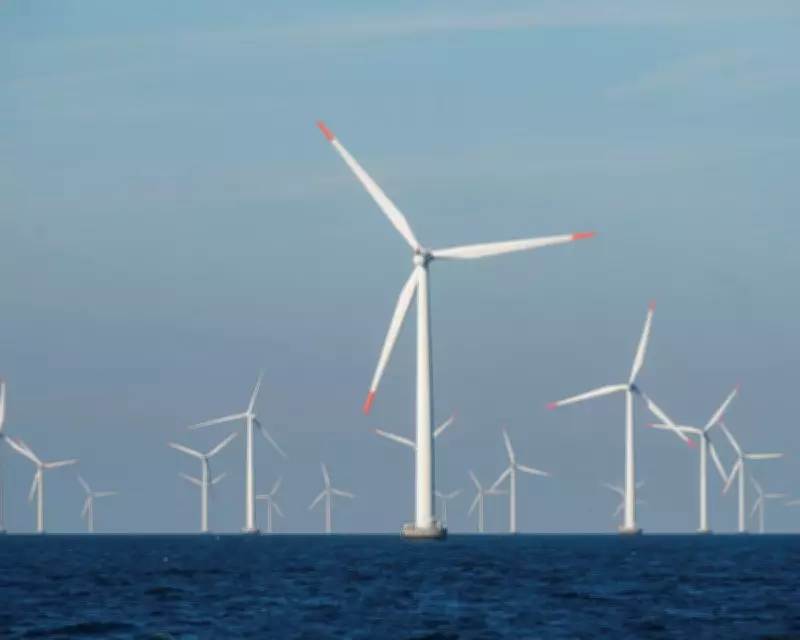
In the early 1970s, Denmark relied heavily on oil for heating, transport, and electricity. Today, it generates 91% of its electricity from renewables, largely thanks to wind power. The oil crisis catalyzed this shift, with pioneers like Henrik Stiesdal building early turbines from junkyard parts. Government support, including consumer subsidies and attractive grid tariffs, fostered a specific demand for wind energy, transforming Denmark into a global leader in turbine manufacturing. Stiesdal emphasizes that government commitment and demand creation are essential for scaling new technologies, a lesson Europe must relearn as it lags in electrification and emerging tech adoption.
Dutch Cycle Lanes: Redefining Urban Mobility
The Netherlands responded to oil price spikes with innovative urban policies, such as banning cars on Sundays and building segregated cycle lanes. Jan Wittenberg, founder of the Dutch Cyclists' Union, notes that these measures highlighted society's ability to reduce car dependence and fostered public awareness. While the Netherlands now boasts world-class cycling infrastructure, European efforts to curb car dominance remain limited to individual cities. The rise of SUVs and electric cars challenges progress, underscoring the need for broader, equitable policies like car-free initiatives to reduce transport sector oil demand.
French Nuclear Power: A Forceful Energy Independence Drive
France's Messmer plan, launched after the 1973 crisis, rapidly expanded nuclear power with 50 reactors built in a decade. Presented as a path to energy independence, the plan involved state-backed loans, long-term contracts, and legal protections for reactors. Historian Sezin Topçu points out that opposition was dismissed as unpatriotic, reflecting a top-down approach. Today, high costs and cheaper renewables hinder a nuclear renaissance, but the urgency of the Messmer era could inspire grid modernization and large-scale decarbonization investments, as climate economist Anna Creti suggests converting fossil fuel import bills into green infrastructure funding.
Clean Nordic Heating: Efficient Solutions for Cold Climates
Northern European countries, vulnerable to oil price hikes, invested in district heating systems and building insulation. Sweden, for instance, used government incentives to promote district heating networks, reducing oil dependency. Professor Magnus Åberg explains that limiting fuel options for home heating made these systems unavoidable. Today, Nordic systems burn less fossil fuel, incorporating waste and biomass, but such large-scale infrastructure projects face modern resistance. Åberg argues that current geopolitical tensions, like the war in Ukraine, could renew focus on energy resilience, echoing past crisis-driven innovations.
Conclusion: Learning from History to Break Fossil Fuel Addiction
Energy analyst Marin Gillot warns that reducing gas demand is key to lowering EU energy prices and escaping geopolitical constraints. The 1970s crisis taught that diversification alone is insufficient; comprehensive strategies involving renewables, efficiency, and behavioral change are needed. As ships idle with Middle Eastern fuel and global powers vie for energy dominance, a chorus calls for speeding up the green transition. The question remains: will Europe relearn these lessons to fix its persistent fossil fuel dependency, or continue with short-term fixes? The historical examples of Denmark, the Netherlands, and France provide a roadmap for a sustainable, independent energy future.



