
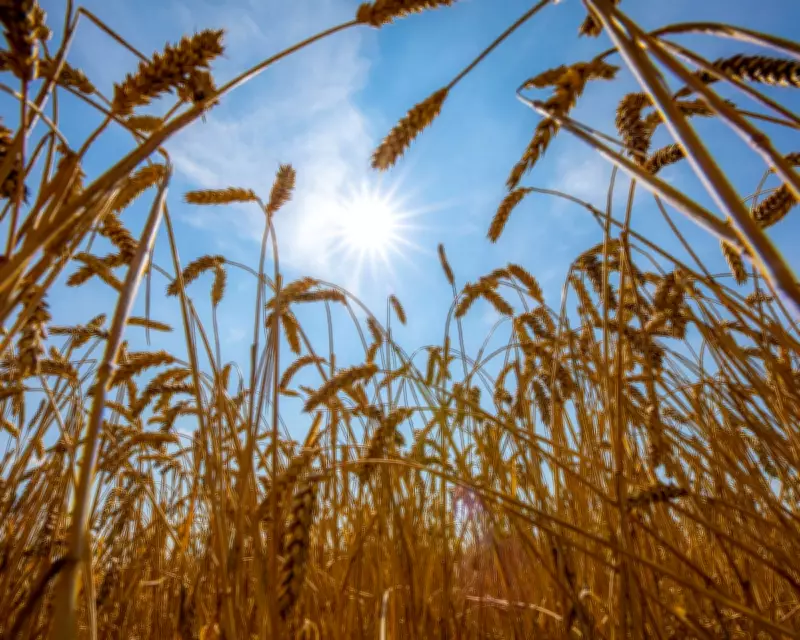
UN Report Sounds Alarm on Extreme Heat's Devastating Impact on Global Food Security
A major United Nations report has issued a stark warning that extreme heat is pushing the world's food systems to the brink of collapse. The joint study by the Food and Agriculture Organization (FAO) and the World Meteorological Organization (WMO) highlights how severe heatwaves are increasingly common, threatening the livelihoods of more than a billion people worldwide.
Farmers and Livestock Under Siege from Rising Temperatures
In regions already prone to high temperatures, such as much of India, south Asia, tropical sub-Saharan Africa, and parts of Central and South America, farmers could find it impossible to work safely for up to 250 days per year. This represents more than two-thirds of the annual calendar, severely disrupting agricultural productivity.
Livestock are also suffering significantly. Heat stress begins for many common species at around 25 degrees Celsius, leading to increased mortality rates. Dairy cows experience reduced milk yields and lower fat and protein content in their milk. Pigs and chickens, unable to sweat, face severe health issues including digestive tract breakdowns, organ failure, and cardiovascular shock as temperatures climb.
Crop Yields Plummet as Heat Intensifies
Agricultural crops are highly vulnerable to temperatures exceeding 30 degrees Celsius, with damage mechanisms including weakened cell walls and toxin production. Maize yields in some areas have already declined by approximately 10%, while wheat has seen nearly equivalent reductions. Projections indicate further declines as global temperatures rise more than 1.5 degrees Celsius above preindustrial levels.
Ocean heatwaves are exacerbating the crisis by killing fish populations. Heat reduces dissolved oxygen levels in water, leading to mass die-offs and threatening marine food sources.
Urgent Calls for Adaptation and Systemic Change
The report emphasizes that much more can be done to warn farmers, as heatwaves are often predictable. Utilizing weather forecasts and mobile communications could provide critical alerts to help farmers prepare for extreme weather events.
Richard Waite, director of agriculture initiatives at the World Resources Institute, stressed the importance of immediate adaptation. "Without adaptation, extreme heat will cut crop and livestock yields, forcing more land into agriculture to maintain food production. That would drive even higher emissions from land use change, which in turn would make climate impacts on agriculture even worse," he warned. "What's needed is scaling solutions that help farmers maintain and sustainably increase productivity, even in a changing climate."
Morgan Ody, general coordinator of La Via Campesina, highlighted the risks to agricultural workers, particularly women and the elderly. She called for compensation for losses due to extreme weather, debt relief, public investment in adaptive measures, and stricter safety regulations to limit exposure to high temperatures.
Molly Anderson, professor of food studies at Middlebury College, pointed out the vulnerabilities of modern industrialised food systems, which rely on narrow crop ranges and intensive inputs. "The risk of simultaneous crop failures from extreme heat could ripple through food prices, supply chains, and economies," she said. "Adaptation has limits – the only durable response is to tackle fossil fuels, accelerate the shift to renewable energy, and invest massively in adaptation."
Global Implications Beyond Hot Regions
Tim Lang, emeritus professor of food policy at the University of London, noted that while the worst effects will be felt in already hot countries, temperate regions like the British Isles are not immune. "Places we've got food from will dry up. Land use here will be changed. Water dependencies are exposed. Crops that started off well will fail to thrive. Productivity will be disrupted," he explained. "Anyone who thinks climate change won't affect us should think again."
The UN report underscores the urgent need for comprehensive strategies to mitigate and adapt to the escalating threats posed by extreme heat, safeguarding global food security for future generations.



