
UK Government Plans Significant Reduction in Climate Aid to Vulnerable Nations
The United Kingdom is preparing to implement substantial cuts to its climate finance contributions for developing countries, despite previous commitments to increase assistance. According to exclusive information obtained by the Guardian, ministers intend to reduce climate aid by more than a fifth, from £11.6 billion over the past five years to just £9 billion for the next five-year period.
Real Terms Reduction and Inflation Impact
When accounting for inflation, this reduction represents an approximate 40% decrease in spending power since 2021, when the original £11.6 billion budget was established. The Treasury has imposed these cuts despite recent warnings from UK intelligence agencies that ecosystem collapses in regions like the Amazon and Congo could severely impact national security through rising food prices and increased conflict risks.
Broken Promises and Global Consequences
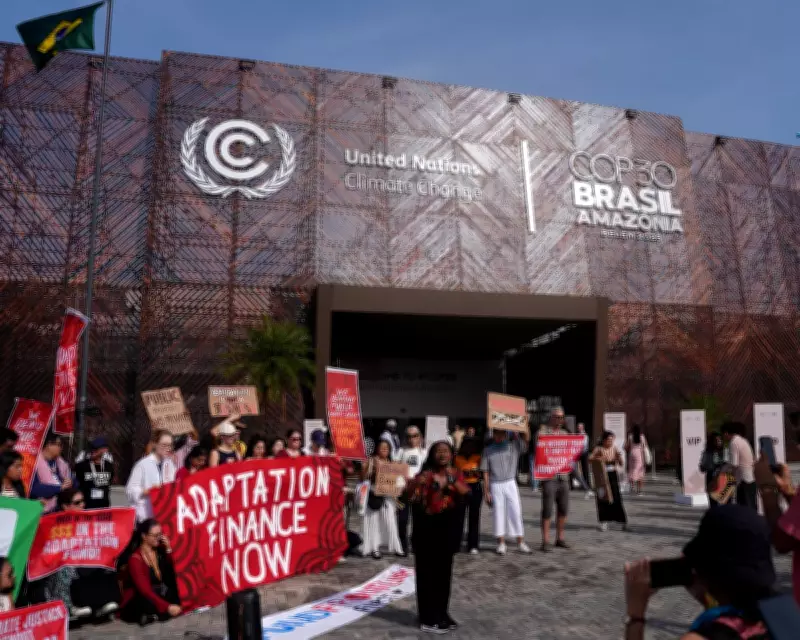
This decision comes just one year after the UK joined other wealthy nations in pledging to triple global climate finance to $300 billion annually by 2035. While that agreement didn't specify individual country contributions, the UK's reduction will make achieving this collective target significantly more challenging.
Mohamed Adow, director of the Power Shift Africa thinktank, emphasised the human cost of these cuts: "For vulnerable countries, UK climate finance isn't an abstract budget line – it's the difference between resilience and disaster. Cutting it at this moment will cost lives and livelihoods."
Internal Government Disputes and Budgetary Concerns
Ministers continue to debate the specifics of the new international climate finance round, known internally as ICF4. This represents the fourth such funding cycle since 2010. The climate finance comes from the overseas aid budget, which was reduced last year to 0.3% of gross national income, down from 0.7% before Boris Johnson's government cut it to 0.5% in 2021.
The proposed £9 billion climate spending would likely translate to £2 billion annually for the next three years, followed by £1.5 billion per year in 2029-30 and 2030-31, extending beyond the current parliamentary term. Treasury officials reportedly resist committing funds beyond the standard three-year government spending plan, though other departments and parliamentary committees argue that a five-year framework is essential for effective climate action.
Rebadging Existing Projects and Transparency Issues
Beyond the headline reductions, civil servants are reportedly attempting to "rebadge" existing projects focused on education or health as climate finance initiatives. Some officials suggest that up to 30% of aid to least developed countries could be classified this way, even when projects have minimal climate impact.
This practice exacerbates existing transparency problems with UK climate finance spending. Since Brexit, the UK no longer follows EU reporting standards, creating what experts describe as a situation where "the label climate finance is meaningless, as we will have no idea what it is really spent on and where."
Leadership Concerns and Nature Funding Threats
Foreign Secretary Yvette Cooper, who didn't attend the Cop30 summit in Brazil last November, reportedly received her first major climate briefing only in December. While her predecessor David Lammy actively participated in climate discussions and appointed dedicated envoys, Cooper appears more focused on issues like girls' education.
Nature conservation funding also faces potential reductions, with ongoing arguments about maintaining a £3 billion ringfence within the climate budget for nature protection. Flagship initiatives like the Blue Planet Fund, established following public concern raised by Sir David Attenborough's documentaries, may receive reduced funding despite likely remaining operational.
Expert Warnings and National Security Implications
Developing country experts warn that cutting climate budgets harms both vulnerable populations and UK national interests. Harjeet Singh, cofounder of the Satat Sampada Climate Foundation, stated: "The UK cannot claim to be a climate leader while retreating from its finance commitments. This move shreds the UK's standing on the world stage, proving to the global south that British promises are hollow."
Jonathan Hall, managing director of Conservation International UK, highlighted the Joint Intelligence Committee's findings that failing to help poor countries protect nature would affect UK inflation and national security. "If you care about food prices you should care about the potential collapse of the rainforests, if you care about global security you should care about the melting of the Himalayan glaciers," he explained.
Hall emphasised the necessity of maintaining nature spending protections: "Protecting nature and our climate are not just nice things to do – they are essential to the social and economic stability and national security of the UK."
Government Response and Future Implications
A government spokesperson maintained that "the UK remains committed to providing international climate finance, playing our part alongside other developed countries and climate finance providers to deliver our international commitments." They added that the UK is "on track to deliver £11.6bn in international climate finance by the end of this financial year" and is "modernising our approach to ensure we focus on greater impact."
This climate finance reduction occurs as Donald Trump withdraws the United States from the Paris Agreement and eliminates US climate finance targets. Experts warn that if the UK breaks its commitments, it provides justification for other nations to follow suit, potentially devastating global climate action efforts.



