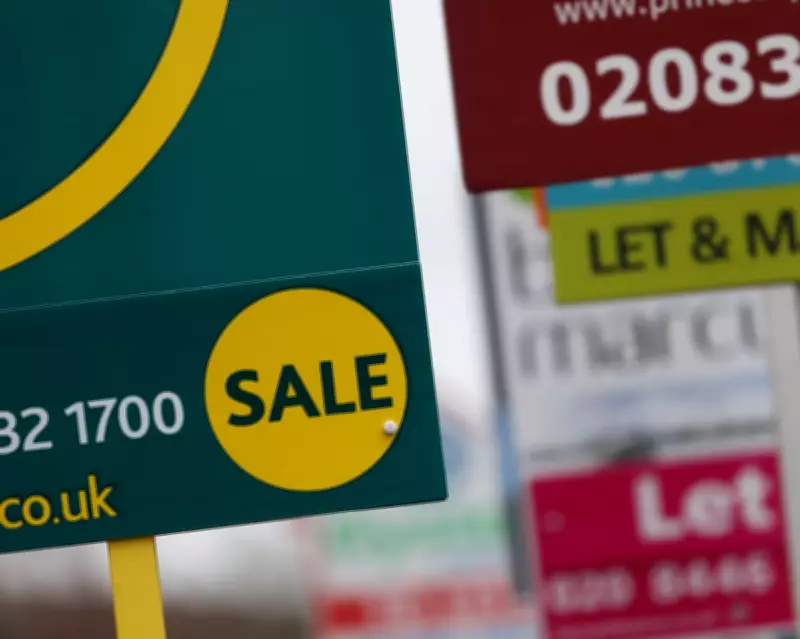
The UK housing market has begun 2026 with a modest but significant rebound, according to the latest data from the nation's leading mortgage lender. Nationwide Building Society reports that the average price of a UK home increased by 0.3% in January, marking a recovery from an unexpected 0.4% decline recorded in December 2025.
Positive Momentum After Year-End Dip
This January uplift means property prices are now 1% higher than they were at the same time last year, with the average home currently valued at £270,873. The December downturn had been attributed to market uncertainty surrounding potential property tax changes ahead of Chancellor Rachel Reeves's November budget announcement.
Robert Gardner, Nationwide's chief economist, explained the market dynamics: "Housing market activity dipped at the end of 2025, most likely reflecting uncertainty around potential property tax changes before the budget. Nevertheless, the number of mortgages approved for house purchase remained close to the levels prevailing before the pandemic."
Optimistic Forecasts for 2026
Looking ahead, economists are predicting a year of gradual recovery for the UK property sector. Nationwide has issued a forecast suggesting house prices will rise between 2% and 4% throughout 2026, while the respected consultancy Capital Economics projects a slightly more specific 3.5% increase for the year.
Gardner expressed cautious optimism about the market's trajectory: "Housing market activity is likely to recover in the coming quarters, especially if the improving affordability trend seen last year is maintained."
Affordability Challenges and Market Pressures
Current calculations indicate that a typical first-time buyer with an average UK income and a 20% deposit would now face monthly mortgage payments equivalent to 32% of their take-home pay. While this represents a slight improvement from recent peaks, it remains above the long-term average of 30% and significantly higher than pre-pandemic levels.
Despite the positive indicators, some industry experts caution that the recovery remains fragile. Tom Bill of estate agency Knight Frank noted: "Mortgage approvals in December were 9% below the five-year average, showing that demand is still fragile. The chances of two interest rate cuts this year have faded in recent weeks for reasons that include stronger-than-expected UK economic data, which underlines how prices and transaction levels will remain under pressure."
Interest Rate Environment and Economic Factors
The Bank of England reduced interest rates from 4% to 3.75% in December 2025, following encouraging inflation data that showed the annual rate falling to 3.2% in November from 3.6% the previous month. While this remains above the Bank's 2% target, it suggested the worst inflationary pressures might be easing.
However, monetary policy committee member Megan Greene recently warned that the Bank might not be able to lower interest rates as much as anticipated this year, citing strong UK pay growth and expected rate reductions in the United States as complicating factors.
Alice Haine of brokerage Bestinvest highlighted additional challenges facing homeowners: "Around 1.8 million fixed mortgage deals are set to expire in 2026, with a larger proportion of that tally attributed to borrowers rolling off low-rate, five-year deals into a much higher interest rate environment, putting pressure on disposable incomes."
Budget Impact and Market Sentiment
The Chancellor's November budget introduced a new council tax surcharge on properties valued at £2 million or more but avoided implementing more widespread property levies that had been previously discussed. This measured approach appears to have helped stabilise market sentiment after the initial uncertainty.
As the property market navigates these complex economic conditions, the combination of gradually improving affordability, cautious buyer sentiment, and evolving monetary policy will likely shape housing market performance throughout 2026. The January rebound provides an encouraging start, but industry observers agree that sustained recovery will depend on multiple economic factors aligning favourably in the months ahead.