Bank of England Governor Andrew Bailey has expressed profound shock and controlled anger in response to revelations that former Business Secretary Peter Mandelson allegedly shared confidential market information with convicted paedophile financier Jeffrey Epstein during the height of the 2008 financial crisis.
A Measured Response from Threadneedle Street
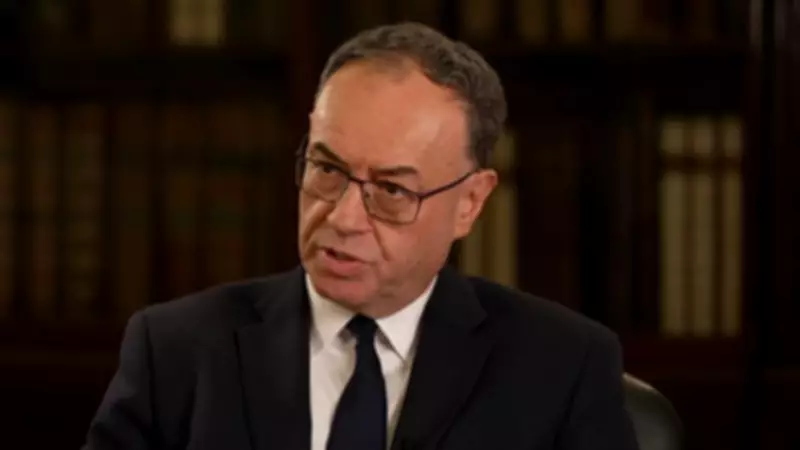
Andrew Bailey, known for his typically restrained public demeanour as head of Britain's central bank, broke from his usual composure when questioned about the Epstein files revelations. Speaking with what observers described as "controlled anger," the Governor made his feelings clear about the alleged misconduct during one of modern Britain's most severe economic emergencies.
"I mean, I am shocked by what we're hearing. I am shocked by what we now learn about what went on during the financial crisis period," Bailey stated unequivocally during his interview with Sky News.

The 2008 Context: A Nation on the Brink
The gravity of these allegations becomes particularly stark when viewed against the backdrop of the 2008 financial meltdown. At that critical juncture, Bailey served as part of the Bank of England's senior management team, working alongside Treasury officials and Downing Street to prevent the complete collapse of the UK's financial system.
The situation was so dire that authorities genuinely feared cash machines would run dry and that governments might be unable to sustain the massive borrowing required for bank bailouts. In response to the crisis, British ministers contemplated selling £20 billion worth of state-owned assets to ease the financial burden, while the European Union simultaneously worked on a €500 million rescue package.
Alleged Breaches During Critical Moments
According to the Epstein files revelations, Mandelson allegedly passed details of both these crucial financial measures to Jeffrey Epstein via email before they were made public. This purported breach occurred while Mandelson served as Business Secretary, placing him at the heart of government efforts to manage the unfolding economic disaster.
Bailey's reaction carries particular weight given his frontline experience during those turbulent months. His comments also revealed a personal dimension to his outrage, particularly regarding the late Alistair Darling, who served as Chancellor during the crisis.
"He sounded genuinely emotional when recalling Darling's efforts to shore up the economy," observers noted, adding that Bailey highlighted how the former Chancellor is now "unable to speak for himself" about revelations that a close colleague may have been undermining his work.
Previous Encounters with Epstein's Circle
Andrew Bailey's strong reaction may stem in part from his previous institutional experience confronting Epstein's network. In 2019, while serving as head of the Financial Conduct Authority, Bailey authorised the investigation into Jes Staley, then chief executive of Barclays, regarding his ties to Jeffrey Epstein.
Following Epstein's arrest, the FCA suspected Staley had not been fully transparent about the extent of their relationship. This investigation ultimately led to Staley's resignation in 2020, his subsequent ban from holding senior positions in financial services, and a failed appeal last year during which Bailey provided evidence.
A Broader Question About Society
Beyond the specific allegations, Bailey raised fundamental questions about institutional accountability and societal values. "I don't want to sound pious, but this is for all of us - how is it that we live in a society in which this happened and the cover-up happened as well?" he asked during the interview.
In the complex and troubling narrative of Epstein's connections across British institutions - spanning the monarchy, political circles, and the City of London - Andrew Bailey represents one of the few senior figures whose conduct has been entirely vindicated through his consistent approach to addressing these difficult matters within the financial regulatory framework.