
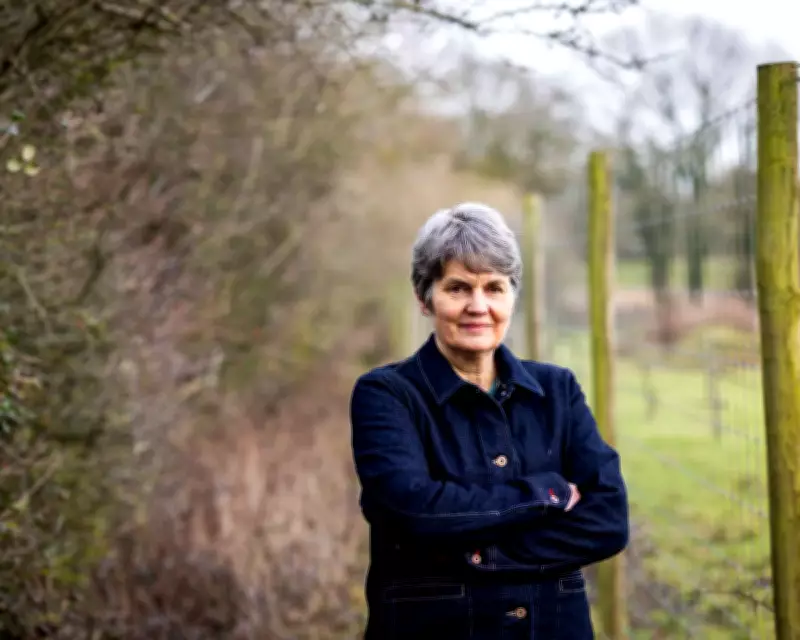
From Local Newspaper Notice to Global Environmental Prize
What began as a routine glance through local planning notices in 2010 has culminated in one of the most significant environmental legal victories in UK history. Sarah Finch, a Surrey-based activist, has been awarded the prestigious Goldman Environmental Prize alongside six other women from around the world, following her decade-long battle that reshaped British climate law.
The Surrey Oil Well That Started It All
Finch first discovered plans to drill for oil at Horse Hill in Surrey while reading her local newspaper. The proposal to tap the Weald basin shale formation, located just 6 miles from her home in a typically English semi-rural landscape of villages and farms, shocked the longtime environmentalist. Despite Surrey's declaration of a climate emergency, the council approved plans for commercial oil production that would extract over 24 million barrels over 25 years.
"This is local," Finch recalled thinking. "I'd better get involved."
Building Community Resistance and Legal Challenges
Finch helped form the Weald Action Group, bringing together Surrey neighbors and anti-fracking campaigners to oppose multiple drilling applications across the region. While they successfully blocked some projects, Horse Hill Developments Ltd secured permission for expanded operations in 2018. Crucially, the environmental impact statement omitted "scope 3 emissions" - the 10.6 million tonnes of CO2 that would result from burning the extracted oil.
This omission became the foundation for Finch's legal challenge. As lead claimant, she argued Surrey council had failed to properly consider the project's full climate impact. Initial court rejections seemed to spell defeat, but the case took an unexpected turn when then-communities secretary Michael Gove cited Finch's loss 85 times in approving the controversial Whitehaven coalmine in Cumbria.
The Supreme Court Breakthrough
Against all odds, the Supreme Court accepted Finch's appeal - the first climate case ever heard by Britain's highest court. In June 2024, nearly five years after her legal journey began, the court delivered a landmark ruling: the climate impact of burning fossil fuels must be considered in planning decisions, regardless of where that burning occurs.
The implications were immediate and far-reaching. Permission for the Cumbria coalmine was quashed, and the government was forced to rewrite guidance for offshore oil and gas projects, withdrawing support from major developments like Rosebank and Jackdaw oil fields.
A Prize-Winning Legacy Under Threat
Finch's Goldman Environmental Prize recognition comes as her groundbreaking victory faces potential challenges. The government has indicated it may replace the entire environmental impact assessment regime, which could undermine the Supreme Court ruling. With fuel shortages from Middle East conflicts increasing pressure for domestic drilling, there are concerns that previously blocked projects could be revived.
"It's a kind of war of attrition with the fossil fuel industry," Finch acknowledges, while expressing confidence in renewable energy's future. "You know, renewable energy is more efficient, cheaper, cleaner, less prone to being disrupted by mad dictators. In every way, I think clean energy is preferable and that's our future. But it's just not happening fast enough."
The Finch ruling represents one of the century's most significant environmental legal achievements, demonstrating how persistent grassroots activism can transform national policy. From a Surrey oil well notice to the Supreme Court and now international recognition, Sarah Finch's journey has permanently altered how Britain assesses fossil fuel projects in an era of climate crisis.



