
Supreme Court Delivers Victory to Oil and Gas Firms in Louisiana Coastal Damage Dispute
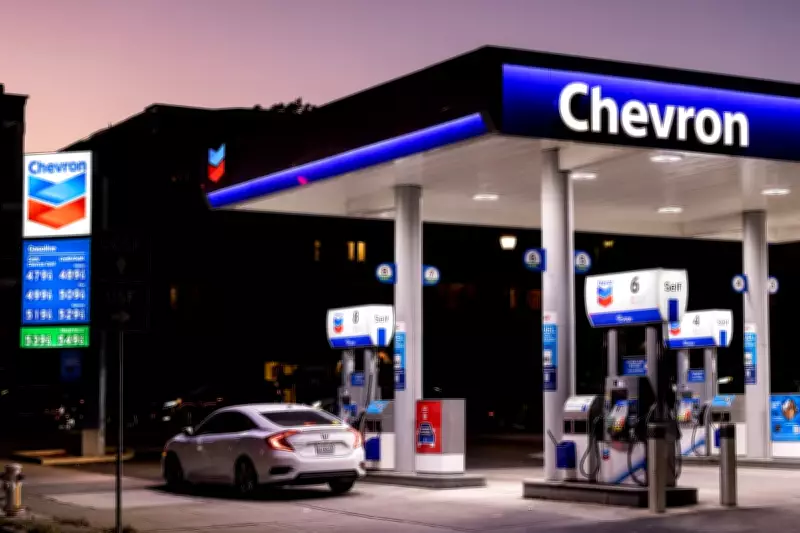
The United States Supreme Court issued a unanimous 8-0 ruling on Friday, handing a significant procedural win to oil and gas companies embroiled in legal battles over coastal land loss and environmental degradation in Louisiana. This decision grants the companies a fresh opportunity to argue their cases in federal court, effectively overturning a previous state jury verdict that ordered Chevron to pay more than $740 million for cleanup efforts along the state's vulnerable coastline.
Background of the Legal Conflict
The lawsuits, which number in the dozens and were initially filed in 2013, allege that major energy corporations including Chevron and Exxon violated Louisiana's environmental regulations for decades. Specifically, the cases claim these companies failed to restore wetlands damaged by activities such as dredging canals, drilling wells, and dumping billions of gallons of wastewater into marshlands. One notable case involved Texaco, which was acquired by Chevron in 2001, and was found by jurors in Plaquemines parish to have consistently breached state laws governing coastal resources.
Arguments from Both Sides
The oil and gas companies, with support from the Trump administration, contended that the lawsuits should be heard in federal court rather than state court. They argued that their operations began during World War II as contractors for the U.S. government, giving the federal judiciary jurisdiction. Additionally, the firms deny any responsibility for the extensive land loss in Louisiana, asserting that it is unjust to hold them accountable for actions taken before state environmental regulations were established.
On the other side, attorneys representing local Louisiana leaders have criticized the Supreme Court appeal as a stalling tactic designed to delay accountability. They point to scientific evidence from the U.S. Geological Survey, which identifies oil and gas infrastructure as a significant contributor to the loss of over 2,000 square miles of coastal land over the past century. The state's coastal protection agency has warned that an additional 3,000 square miles could be lost in the coming decades if action is not taken.
Political and Environmental Context
The legal fight has unfolded against a backdrop of political complexity. Louisiana's Republican governor, Jeff Landry, supported the lawsuits during his tenure as attorney general, despite his longstanding backing of the oil and gas industry. This highlights the tension between economic interests and environmental protection in a state heavily reliant on energy production.
Justice Samuel Alito recused himself from the case due to financial ties to ConocoPhillips, a move consistent with his past recusals related to stock holdings. The Supreme Court's decision to side with the companies overturns a 2024 ruling from the U.S. Court of Appeals for the Fifth Circuit, which had allowed the lawsuits to remain in state court.
Implications and Future Proceedings
This ruling represents a pivotal moment in the ongoing struggle between environmental advocates and the fossil fuel industry. By shifting the cases to federal court, the Supreme Court has potentially altered the legal landscape for similar environmental lawsuits across the country. The companies now have a new avenue to challenge the allegations, while Louisiana's coastal communities continue to face the devastating effects of land loss and environmental harm.
As the cases proceed in federal court, the outcome will likely have far-reaching consequences for how oil and gas operations are regulated and held accountable for environmental damage, particularly in regions like Louisiana where the stakes are exceptionally high.



