
Government to Unveil Comprehensive Land Use Strategy and Open Land Registry Access
The UK government is poised to announce a landmark reform of land management in England, including the removal of paywalls from significant portions of the Land Registry. This initiative aims to simplify the process of identifying land ownership, which has historically been challenging even for government departments due to the registry's operational structure.
Simplifying Land Ownership Transparency
Currently, a small minority of landowners control the majority of England's land, but piecing together ownership details is notoriously difficult. The forthcoming changes will grant free access to key data, making it easier to determine ownership of critical areas such as river catchments, grouse moors, and peatlands. This transparency is expected to enhance scrutiny and accountability in land management.
Land Use Framework to Address Competing Needs
Environment Secretary Emma Reynolds will unveil the government's long-awaited land use framework on Wednesday afternoon. This framework represents the first comprehensive attempt to assess how best to utilize farmland, nature reserves, and degraded land to balance competing demands for food production, housing, energy, and industry.
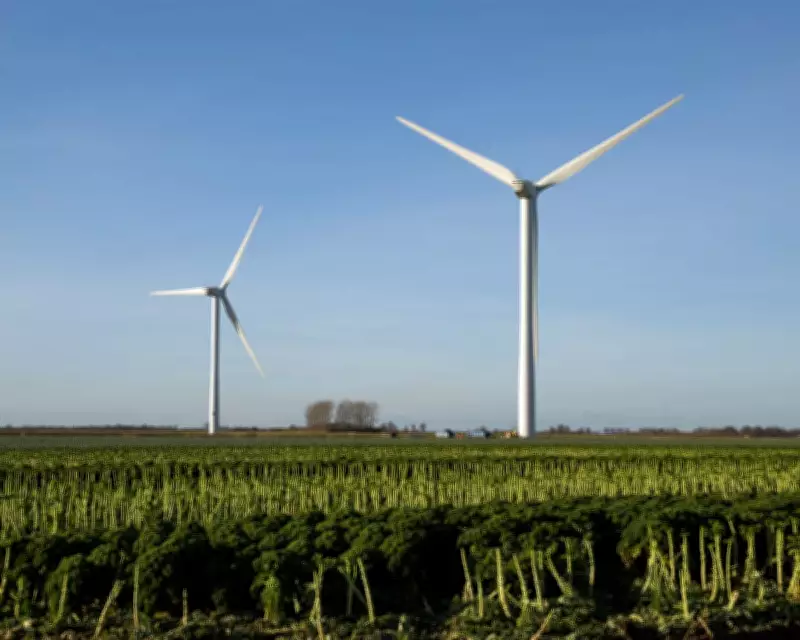
For the first time, ministers will specify the amount of land required to meet the UK's net zero target. This includes land for growing forests and restoring peatlands as carbon sinks, as well as for renewable energy generation from solar and windfarms. According to new government estimates, only about 1% of land will be needed for renewable energy, with much of this land still supporting food production through activities like livestock grazing around windfarms and under solar panels.
Enhancing Climate Resilience and Green Access
The framework will integrate climate resilience and nature-based solutions into decision-making processes. New mapping tools will facilitate the assessment of how restoring upland peatlands could mitigate river flooding, a risk expected to increase with the climate crisis. Additionally, the aim for everyone to be within a 15-minute walk of green space or water will be supported by providing councils with tools to identify and invest in areas lacking such access. Currently, about one in five people in England lack this proximity, with the issue most acute in deprived communities.
Balancing Food Production and Environmental Goals
Farmers have expressed concerns that food production might be sidelined in favor of nature protection or carbon sequestration. However, campaigners argue that these goals are not mutually exclusive. Brendan Costelloe, policy director at the Soil Association, emphasized that wildlife recovery is crucial but that food production can coexist with nature-friendly practices. The Soil Association advocates for increased support for farmers growing nitrogen-fixing crops like peas and beans, more tree planting for various uses, and reduced cultivation of high-disturbance crops on vulnerable slopes and floodplains.
Limitations and Future Directions
The government will not mandate specific land uses or force landowners to relinquish control. Instead, the framework will guide housebuilders away from constructing homes on floodplains, addressing concerns about flood risks exacerbated by climate change. Guy Shrubsole, author of "Who Owns England?", praised the move to open the Land Registry as a step toward ending centuries of secrecy and promoting a greener, fairer landscape.
This reform marks a significant shift in how England's finite land resources are managed, aiming to harmonize environmental sustainability with societal needs while enhancing transparency and resilience in the face of ongoing climate and nature crises.



