
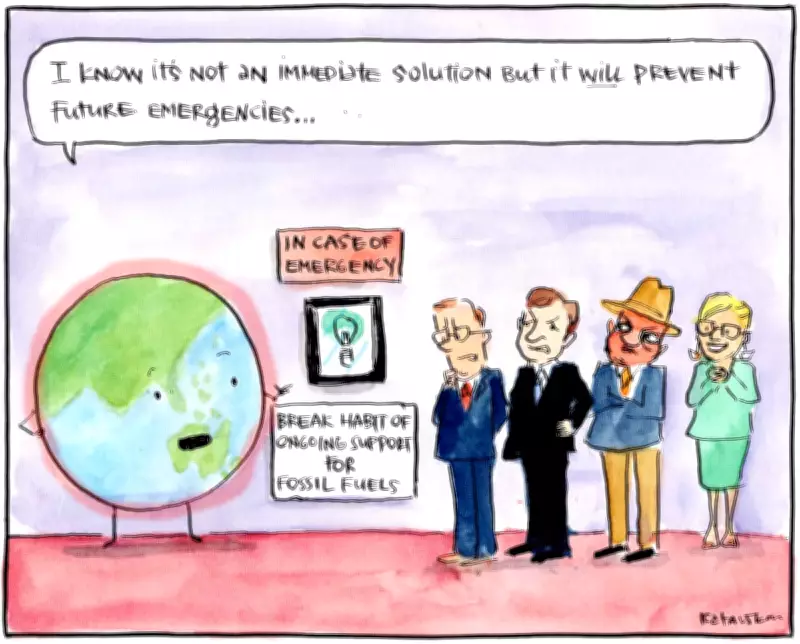
The Fossil Fuel Crisis: A Wake-Up Call for Renewable Energy Transition
The ongoing global energy crisis is delivering a stark and unambiguous message about the future of fossil fuels. As prices soar and supply chains falter, the inherent vulnerabilities of relying on non-renewable resources have been laid bare for all to see. This situation is not merely a temporary market fluctuation; it is a profound indicator of systemic risks that demand immediate and decisive action.
Unmasking the Fragility of Fossil Fuel Dependency
For decades, the world has operated under the assumption that fossil fuels provide a stable and reliable foundation for economic growth. However, recent events have shattered this illusion, exposing a reality where geopolitical tensions, environmental degradation, and finite resources create a perfect storm of instability. The crisis is telling us that our current energy model is unsustainable, both economically and ecologically.
Key vulnerabilities include:
- Price volatility: Fossil fuel markets are notoriously susceptible to sudden spikes and crashes, disrupting budgets for households, businesses, and governments alike.
- Geopolitical risks: Dependence on oil, gas, and coal often ties nations to unstable regions, compromising energy security and national sovereignty.
- Environmental costs: The extraction and consumption of fossil fuels are primary drivers of climate change, air pollution, and biodiversity loss, with long-term consequences that far outweigh short-term benefits.
The Path Forward: Accelerating the Shift to Renewables
This crisis serves as a powerful catalyst for change, urging a rapid transition to renewable energy sources such as solar, wind, and hydroelectric power. Unlike fossil fuels, renewables offer a path to greater energy independence, price stability, and environmental stewardship. The technology is already available and increasingly cost-competitive; what is needed now is the political will and investment to scale it up globally.
Benefits of embracing renewables include:
- Enhanced energy security: By harnessing local and abundant natural resources, countries can reduce their reliance on imported fuels and mitigate geopolitical risks.
- Economic resilience: Renewable energy projects create jobs, stimulate innovation, and provide predictable pricing, shielding economies from the whims of fossil fuel markets.
- Climate mitigation: Transitioning away from fossil fuels is essential to meeting international climate targets and safeguarding the planet for future generations.
In conclusion, the current fossil fuel crisis is not just a warning—it is a clear directive. It tells us that the time for incremental change has passed; we must now commit to a bold and comprehensive shift toward a sustainable energy future. The stakes are too high to ignore, and the opportunity to build a more resilient and equitable world is within our grasp if we act with urgency and determination.



