
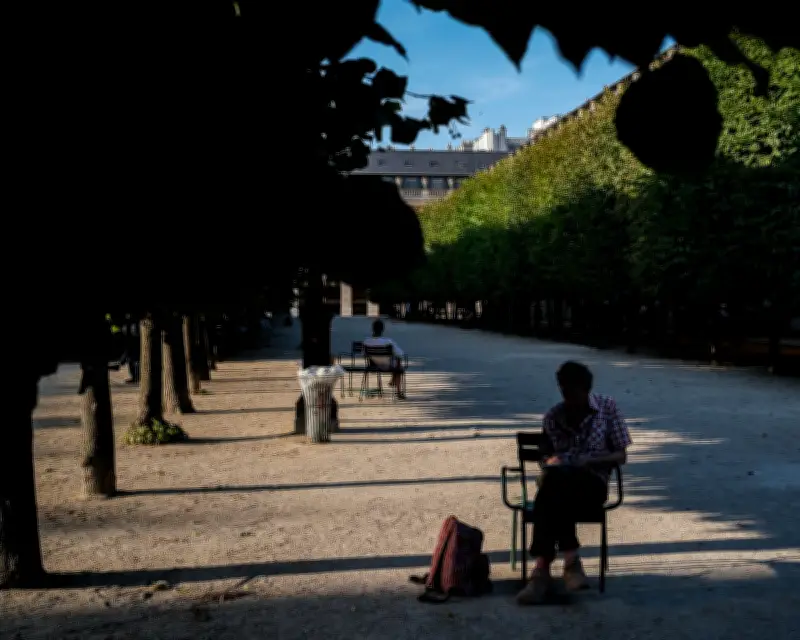
How European Cities Are Adapting to Extreme Heat
As climate change intensifies, European cities are pioneering heat adaptation strategies that could serve as models for the UK. Paris, for instance, has launched a comprehensive plan to create 'cool islands' by greening schoolyards, opening public pools, and installing misting systems in public spaces. According to the city's deputy mayor, these measures aim to reduce urban temperatures by up to 4°C during heatwaves.
Vienna has adopted a different approach, using data from heat maps to identify vulnerable neighborhoods and targeting interventions such as green roofs and cool pavements. The city has also established a network of 'cool streets' with shade structures and water features. A 2023 report by the European Environment Agency highlighted that Vienna's efforts have reduced heat-related mortality by 15% over the past decade.
Key Strategies from Leading Cities
Barcelona has implemented a 'green corridor' network, linking parks and green spaces to facilitate air circulation and provide shaded routes for pedestrians. The city has also mandated green roofs on new buildings and retrofitted existing structures with reflective coatings. A study by the Barcelona Institute for Global Health found that these interventions reduced average summer temperatures by 2.5°C in affected areas.
In Rotterdam, the focus is on water management. The city has created water plazas that double as rainwater storage during storms and public spaces during dry weather. These plazas, combined with increased tree canopy, have helped mitigate the urban heat island effect. The municipality reports that the number of heat-related ambulance calls dropped by 20% after the implementation of these measures.
Lessons for UK Cities
UK cities, particularly London, face similar challenges. London's Urban Heat Island effect can make temperatures up to 10°C higher than surrounding areas. The Greater London Authority has begun to adopt some of these strategies, such as the 'Green Grid' and 'Cool Roofs' initiatives. However, experts argue that more ambitious action is needed. Dr. Sarah Jenkins, a climate resilience researcher at the University of Manchester, stated: 'UK cities must learn from European counterparts by integrating heat adaptation into urban planning, with a focus on green infrastructure and community engagement.'
The UK government's recent Heat Strategy acknowledges the need for adaptation but has been criticized for lacking binding targets. In contrast, Paris has set a goal of creating 300 hectares of green space by 2030, and Vienna aims to have 50% of its surface area covered by green or reflective materials by 2030. These targets provide clear benchmarks for progress.
Implementation and Costs
Implementing these measures requires significant investment. Paris has allocated €1.5 billion for its climate adaptation plan over the next decade, while Vienna spends approximately €100 million annually on heat-related projects. However, the costs of inaction are higher. A 2022 study estimated that heatwaves cost the UK economy £3.7 billion annually in lost productivity and healthcare costs.
Community involvement is also crucial. In Barcelona, residents participate in the design of green corridors, ensuring that interventions meet local needs. This participatory approach has increased public support and uptake. The UK's Climate Change Committee recommends that local authorities engage communities in similar ways to enhance resilience.



