
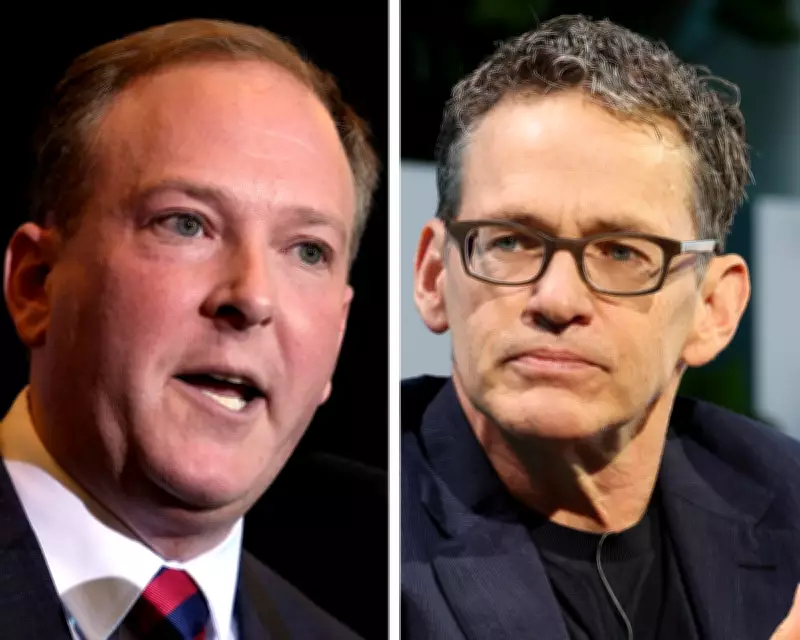
EPA Chief and Bayer CEO Face Off in Landmark Supreme Court Hearing
The head of the Environmental Protection Agency and the chief executive officer of Bayer engaged in a high-stakes legal confrontation before the United States Supreme Court this week. The case centers on the regulatory authority of the EPA to enforce pesticide restrictions and the corporate responsibilities of major chemical manufacturers.
Arguments Over Pesticide Safety and Regulatory Power
During the proceedings, the EPA chief argued that the agency possesses the statutory mandate to impose stringent limits on pesticides to protect public health and the environment. This position emphasizes the need for robust federal oversight to prevent potential harm from chemical exposures.
In contrast, the Bayer CEO contended that the EPA's actions exceed its legal authority and create undue burdens on agricultural businesses. The executive highlighted concerns about regulatory overreach impacting innovation and economic stability in the farming sector.
Implications for Environmental Law and Corporate Accountability
The Supreme Court's decision in this case could set a significant precedent for environmental law in the United States. A ruling in favor of the EPA might strengthen the agency's ability to regulate pesticides and other chemicals, potentially leading to tighter safety standards.
Conversely, a decision supporting Bayer could limit the EPA's regulatory powers, shifting more responsibility to states or industry self-regulation. This outcome might influence future litigation involving corporate liability for environmental damages.
Broader Context of Pesticide Regulation Debates
This legal battle occurs amid ongoing debates about pesticide use, with environmental groups advocating for stricter controls and industry representatives pushing for more flexible regulations. The case reflects broader tensions between environmental protection and economic interests in policy-making.
Observers note that the Supreme Court's ruling will likely have ripple effects across various sectors, including agriculture, manufacturing, and public health advocacy. The decision is expected to be closely watched by stakeholders nationwide.
Next Steps and Expected Timeline
The Supreme Court justices are now deliberating on the arguments presented, with a ruling anticipated in the coming months. Legal experts suggest that the outcome could reshape the landscape of environmental regulation and corporate governance for years to come.
As the case progresses, both the EPA and Bayer are preparing for potential impacts on their operations and regulatory frameworks. The final decision will undoubtedly influence future policy discussions and legal strategies in environmental law.



