
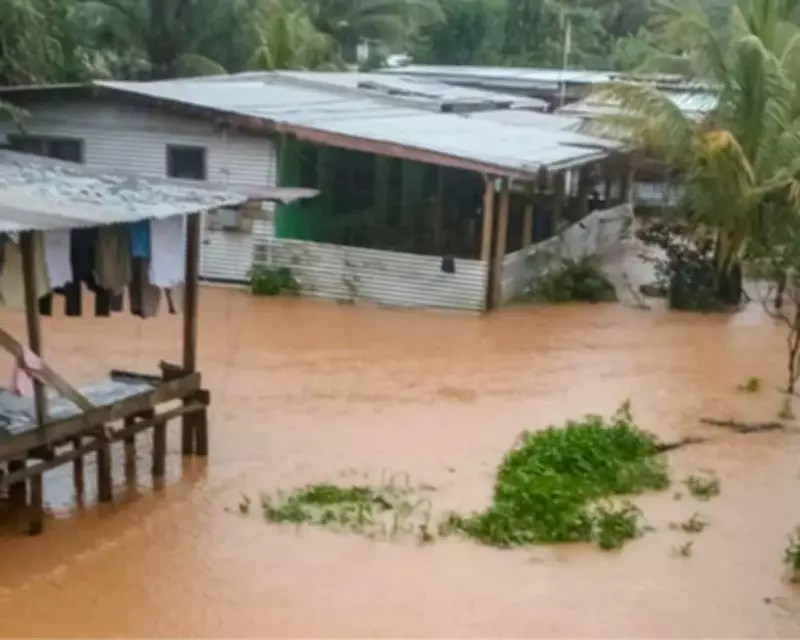
Cyclone Maila Unleashes Fury on Solomon Islands
Severe Tropical Cyclone Maila has struck the Solomon Islands with devastating force, bringing peak sustained winds of 115 miles per hour and gusts reaching up to 160 miles per hour. According to the Australian Bureau of Meteorology, this powerful storm represents the strongest cyclone ever recorded this far north in the Solomon Sea. The cyclone's intense winds have caused widespread destruction across Western, Choiseul, and Isabel provinces, damaging critical infrastructure including schools, clinics, and numerous homes.
Humanitarian Crisis Unfolds
The Solomon Islands government is now prioritizing humanitarian assistance in response to the disaster. Approximately 120 people have been displaced from their homes, while nearly 73,000 individuals have been affected overall by the cyclone's impact. Rescue and relief operations are underway as communities grapple with the aftermath of the severe weather event.
Forecasters predict that Cyclone Maila will continue moving south-westwards over the coming days. The storm is expected to pass south of Papua New Guinea over the weekend, bringing heavy rainfall and strong winds to south-eastern areas before entering the Coral Sea. By early next week, the cyclone is likely to continue on a south-westerly trajectory toward the far north Queensland coast.
Extreme Heat Engulfs Vietnam
Meanwhile, a prolonged spell of extreme heat is scorching much of Vietnam, with temperatures exceeding 40 degrees Celsius in central regions. Between Monday and Wednesday, Tay Hieu and Con Cuong in Nghe An province recorded staggering highs of 41.9°C and 41.3°C respectively. The heatwave shows no signs of abating, with temperatures widely surpassing 35°C and peaking near 40°C in Nghe An and Hue.
This extreme weather poses significant challenges for Vietnam's infrastructure and public safety. Rising electricity demand from air conditioning use may strain power supplies across affected regions, while dangerously low humidity levels are increasing the risk of wildfires. Residents are being advised to take precautions against heat-related illnesses as the heat persists.
Torrential Rain Batters South Korea
In South Korea, strong winds and torrential rainfall have been lashing southern regions since Wednesday, particularly affecting southern islands including Jeju, Gwangju, and Yeosu. Winds reaching 65 miles per hour were recorded on Udo, part of Jeju province, causing significant disruption to transportation networks.
The severe weather has led to the suspension of ferry services and the cancellation of approximately 250 flights. The Korea Meteorological Administration has warned that rainfall rates of 20-30 millimeters per hour are possible, raising concerns that Jeju could break its April daily rainfall record of 101.6 millimeters set in 1998.
Regional Weather Patterns Intensify
These simultaneous extreme weather events across the Asia-Pacific region highlight the increasing intensity of seasonal weather patterns. From cyclonic destruction in the Solomon Islands to record-breaking heat in Vietnam and unprecedented rainfall in South Korea, communities across multiple nations are facing significant challenges from climate-related phenomena.
Meteorological agencies continue to monitor these developments closely, providing updates and warnings to help governments and residents prepare for and respond to the ongoing weather emergencies.



