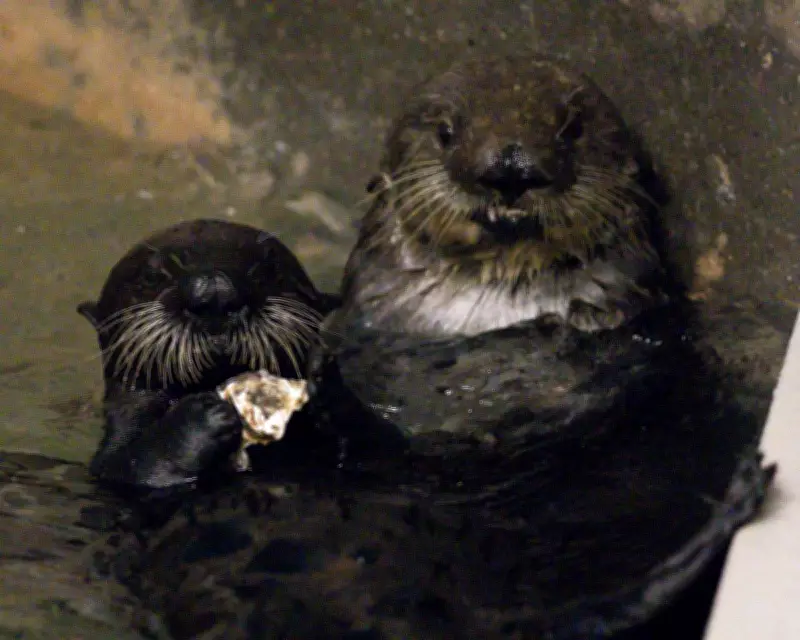
In a remarkable display of maternal instinct, a sea otter mother has adopted an orphaned pup off the coast of California, a rare event that has captivated wildlife experts and conservationists. The adoption, observed by researchers from the Monterey Bay Aquarium, occurred after the pup’s biological mother was presumed dead. The surrogate mother, identified as a healthy adult female, was seen caring for the orphan alongside her own offspring, a behavior rarely documented in sea otters.
Rare Behavior in Marine Mammals
Sea otters are known for their strong maternal bonds, but adoption is uncommon. According to Dr. Sarah Johnson, a marine biologist at the aquarium, this case is exceptional because the surrogate mother already had a pup of her own. “It’s incredibly rare to see a mother otter take on an additional pup,” she said. “This shows a level of social complexity and empathy that we don’t often associate with marine mammals.” The adoption was first noticed when the mother was observed nursing both pups and protecting them from potential threats.
Implications for Conservation
The event has significant implications for sea otter conservation. Southern sea otters, a threatened species under the Endangered Species Act, have a population of only about 3,000 individuals in California. Orphaned pups typically have low survival rates, but this adoption could give the pup a better chance at life. Researchers are monitoring the family closely to ensure the pups are thriving. “This gives us hope that natural behaviors can help bolster the population,” added Dr. Johnson.

The adoption also highlights the importance of habitat protection. Sea otters rely on healthy kelp forests and coastal ecosystems, which are threatened by pollution and climate change. Conservation groups are using this story to raise awareness about the need for continued protection efforts.
How the Adoption Was Discovered
The team from the Monterey Bay Aquarium’s Sea Otter Research and Conservation program first spotted the unusual grouping during a routine survey. Using binoculars and tracking tags, they confirmed that the mother was not the pup’s biological parent. The orphaned pup was estimated to be about two weeks old, while the mother’s own pup was slightly older. The mother has been observed sharing food and grooming both pups equally.
This heartwarming story serves as a reminder of the resilience of wildlife and the importance of conservation efforts to protect these charismatic animals.