Ohio Steel Plant's Costly Reline Plan Extends Fossil-Fuel Use Amid Health Concerns
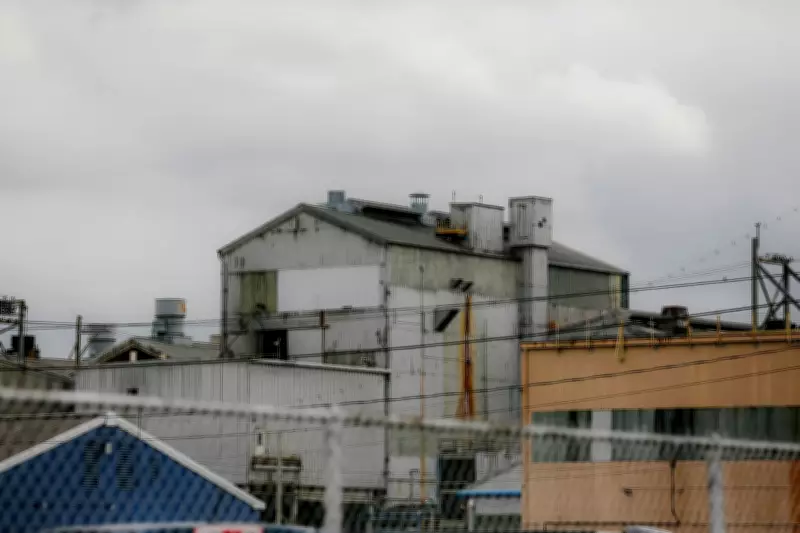
Cleveland-Cliffs Middletown Works is moving forward with a plan to reline the blast furnace at its Ohio facility, a decision that could cost several hundred million dollars. This investment will allow the steel plant to continue burning fossil fuels for at least another 15 to 18 years, raising alarms among local residents about prolonged environmental and health risks.
Residents Voice Frustration Over Pollution and Health Impacts
Vivian Adams, a resident who lives just hundreds of yards from the plant, has witnessed firsthand the effects of the pollution. Since moving to Middletown four years ago, her six-year-old daughter's asthma has worsened significantly. "My daughter was born prematurely so she already had lung issues," Adams explains. "It's gotten worse. She stays sick and coughing and can't breathe. She's had to go on everyday medication for her asthma, plus she has a rescue inhaler."
Adams describes a constant presence of soot and chemical dust in her neighborhood. "We sit on our chairs and there's a bunch of black stuff on them, on our vehicle, it's soot. It's on their toys, so you can't leave them outside," she says. The reline plan, detailed in permitting documents on the Ohio Environmental Protection Agency's website, means this pollution is unlikely to abate anytime soon.

Political and Economic Context of the Reline Decision
The Middletown facility holds personal significance for U.S. Vice-President JD Vance, whose grandfather worked there for years. Vance, born and raised in Middletown, has frequently criticized clean energy projects as a "scam" and received campaign funding from fossil fuel companies during his time as an Ohio senator. The reline follows the Trump-Vance administration's cancellation of a $500 million grant that would have funded a hydrogen-powered furnace at the plant. This upgrade could have positioned Middletown Works as the world's lowest greenhouse gas-emitting steel plant.
Instead, Cleveland-Cliffs CEO Lourenco Goncalves has embraced a "beautiful coal, beautiful coke" approach, echoing former President Donald Trump's rhetoric. The No. 3 blast furnace, installed in the 1950s, uses hundreds of thousands of tons of coke annually to produce around 3 million tons of raw steel. Goncalves has publicly supported Trump's policies, stating, "I believe what Trump's trying to do is for the betterment of the country."
Environmental and Health Risks Detailed in Reports
A 2024 report by Industrious Labs, a non-profit focused on decarbonizing heavy industries, highlights the severe pollution from Middletown Works. The plant ranks among the top 10 emitters in Ohio for pollutants like nitrogen oxides, sulfur dioxide, and carbon monoxide, out of over 650 emitters. Ariana Criste of Industrious Labs estimates that over the 18 years following the reline, pollution could lead to 810 to 1,476 premature deaths and 132,300 lost school days, among other health issues.
Adjacent to the steel plant is the SunCoke Energy facility, which burns up to 550,000 tons of coal yearly to produce coke. Together, these sites account for over half of Ohio's health impacts from steel and coke pollution, contributing to an estimated $1.3 billion to $2.3 billion in annual health costs. Data from the EPA's National Emissions Inventory database identifies Middletown Works as the 11th worst emitter of carbon monoxide in the United States.
Regulatory and Industry Challenges
Anthony Chenault of the Ohio Environmental Protection Agency notes that Cleveland-Cliffs is a large generator of hazardous waste and must manage it according to state and federal requirements. However, he could not estimate the waste volume from the reline or its disposal specifics. "Disposal options are selected by the facility, consistent with state and federal requirements," Chenault says.

Despite tariffs that have supported U.S. steelmakers, the industry saw only 3% growth last year. Cleveland-Cliffs has faced financial struggles, including revenue losses of $600 million for 2025 and layoffs at facilities in Minnesota. Analysts argue that the tariffs primarily benefit steel executives like Goncalves, while other industries, such as automotive, suffer from higher steel costs and reduced consumer demand.
Broader Implications for Communities
The reline plan is not isolated to Middletown. Cleveland-Cliffs recently announced a similar project at its Burns Harbor Works in Indiana, located near Indiana's only national park and Lake Michigan. Porter county, home to this plant, receives an "F" rating from the American Lung Association for high ozone days and particle pollution.
For residents like Vivian Adams, who hopes to buy her rented home, the news is disheartening. "It is everything we need or wanted," she says, but the pollution complicates her plans. The company occasionally sends crews to pressure wash soot from homes, but Adams criticizes the effort as inadequate. "They do the worst job in the world," she remarks, recalling an incident where workers broke a door.
Adams expresses a desire for cleaner alternatives, such as the hydrogen-powered system previously proposed. "If this is on the cars, imagine what's going into our lungs?" she questions, highlighting the ongoing health risks for her children and the broader Middletown community.