Northern Lights: Spectacular Views Forecast to Return Across the Globe
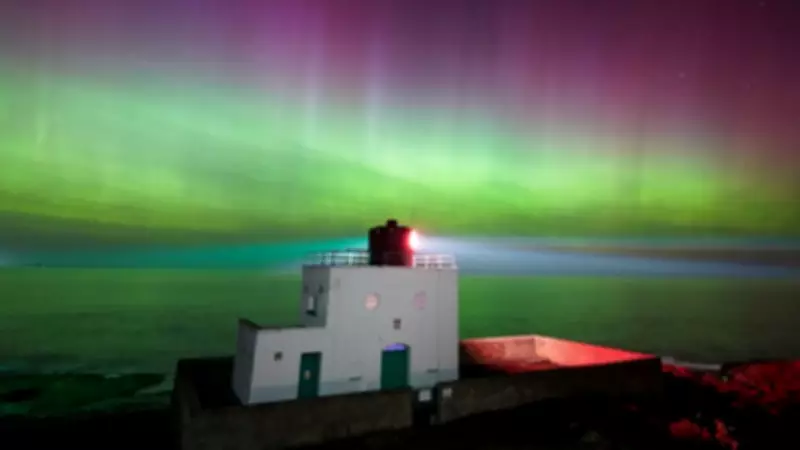
The natural light show known as the aurora borealis, often described as one of nature's most spectacular displays, has once again captivated observers worldwide. On Friday night, breathtaking views of shimmering green and purple waves were witnessed in locations such as Bamburgh in Northumberland, Estonia, and Canada, with social media users sharing images from as far as Russia.
Forecast for More Auroral Activity
According to the Met Office, there is a strong chance of seeing the Northern Lights over the next couple of nights, particularly across Scotland where clear skies are expected, and possibly extending into northern England. While typically visible near the Arctic Circle and northern Scotland, the aurora can sometimes illuminate the night sky with vibrant hues of pale green, pink, red, blue, and violet in the northern UK.
What Causes the Northern Lights?
This dazzling spectacle occurs when energy and charged particles from the sun, released through coronal mass ejections and solar flares, travel toward Earth on the solar wind. These particles collide with Earth's magnetic field and upper atmosphere, interacting with gases to produce the stunning displays of color. When solar activity is intense, it can trigger a geomagnetic storm, enhancing the visibility of the aurora.

In January, the Met Office noted that the solar maximum likely occurred in 2024 and 2025, with solar activity now in a declining phase. However, this period can still bring strong events, as evidenced by recent aurora sightings as far south as northern Italy.
Conditions Needed for Future Sightings
For the skies over the UK to dazzle again, several factors must align. Any solar eruptions need to be directed at Earth and cause a significant geomagnetic storm. Additionally, dark conditions and settled weather with clear skies are essential for optimal viewing.
Tips for Capturing the Aurora
While the Northern Lights are visible to the naked eye, their colors often appear faint compared to camera-captured images. To photograph this aerial phenomenon effectively, Adobe recommends:
- Using manual camera settings with a wide aperture.
- Employing low shutter speeds, up to 20 seconds.
- Setting the ISO value to 2,000 or higher, which is often available in smartphone camera settings.
These techniques can help enhance the vividness of the aurora in photographs, allowing enthusiasts to preserve the magic of this natural wonder.