London Issues High Pollution Alert as Saharan Dust Blankets City
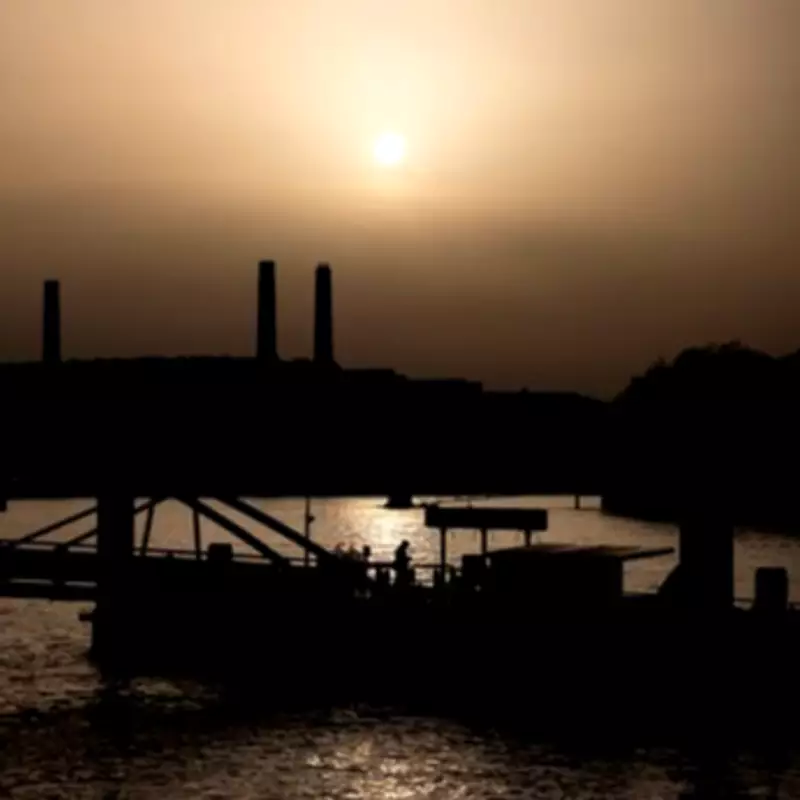
A high pollution alert has been activated across London as a significant wave of Saharan dust sweeps over the capital, creating hazardous air conditions and an eerie orange sunset on Thursday evening. The alert, issued by Mayor Sadiq Khan, warns that vulnerable Londoners may require additional support during this period of elevated pollution levels.
Unusual Weather Patterns Drive Pollution Spike
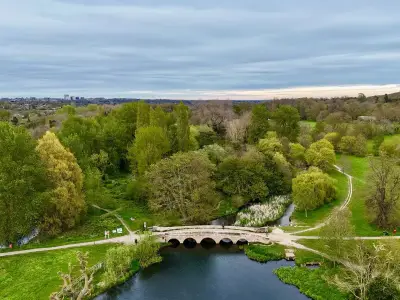
Forecasters confirmed that Thursday, March 6, marked the hottest day of the year so far, with temperatures reaching 19.2 degrees Celsius in Northolt, West London. This record temperature for 2026 surpasses the previous high of 18.7 degrees Celsius recorded at Kew Gardens just last week. The surge in heat is attributed to warm air being pushed north from Africa and continental Europe, which has also carried fine sand particles from the Sahara Desert into the city's atmosphere.
Weather expert Claire Ryder, a professor at the University of Reading, explained that high dust concentrations are expected to persist until the weekend. She noted that while skies will become cloudier on Friday, reducing visibility, Thursday evening offered the best chance to witness the dramatic, dust-filtered sunset.

Urgent Public Health Measures Implemented
In response to the alert, Deputy Mayor for Environment and Energy, Mete Coban, has urged all Londoners to take immediate precautions to mitigate pollution. Key recommendations include stopping engine idling, refraining from burning wood or garden waste, and generally reducing activities that contribute to air pollution. Coban emphasized that these measures are critical for protecting the most vulnerable residents, including children, the elderly, and those with pre-existing health conditions.
Coban highlighted the severe impact of air pollution on public health, stating that toxic air is responsible for approximately 4,000 premature deaths among Londoners each year. The current Saharan dust event exacerbates these risks, making it essential for everyone to adopt cleaner practices.
Understanding Saharan Dust and 'Blood Rain'
Jim Dale, a senior meteorological observer at British Weather Services, clarified the phenomenon often referred to as 'blood rain.' He explained that this dramatic term simply describes the red or brown coloration left on surfaces when Saharan dust mixes with raindrops. The dust consists of very fine sand particles lifted by winds from the Sahara Desert, which then travel long distances before settling, sometimes leaving a visible film on cars and other outdoor objects.
Weather Outlook for the Coming Days
According to the Met Office, the weather is set to change over the next few days. Friday will see clouds across much of England and Wales, with temperatures dropping to around 11 to 12 degrees Celsius. In contrast, Ireland and Scotland are expected to enjoy sunny conditions. The weekend will bring a mix of patchy cloud and sunshine, with high temperatures of 12 to 13 degrees Celsius on Saturday and 14 degrees Celsius on Sunday.
This pollution alert serves as a stark reminder of the ongoing challenges London faces in improving air quality and protecting public health. Authorities continue to advocate for greener practices and sustainable urban planning to build a safer, healthier city for all residents.