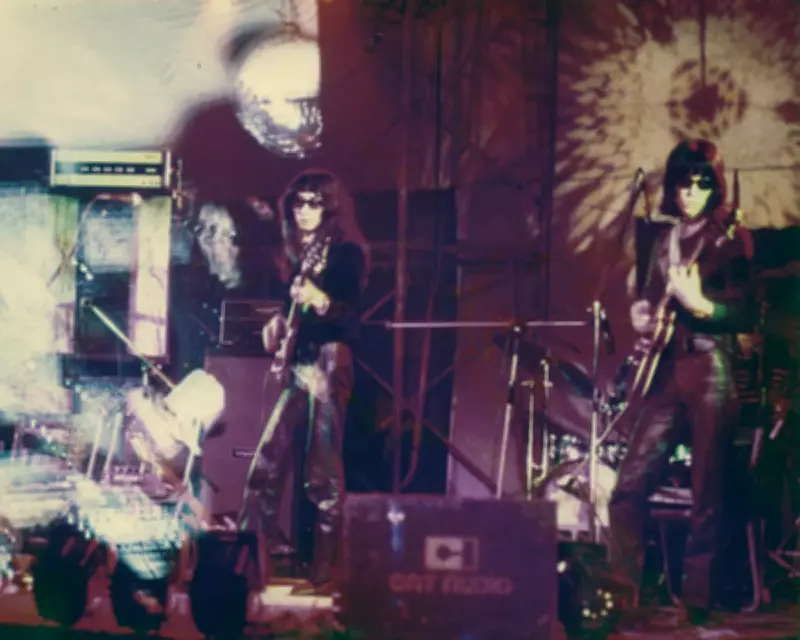
Les Rallizes Dénudés, the enigmatic Japanese noise-rock band formed in 1967, have long been shrouded in mystery. Known for their ear-splitting volume and extreme distortion, the group’s legacy has been preserved through bootleg recordings and a cult following. Now, former member Makoto Kubota is restoring and releasing unheard recordings that reveal the band’s lesser-known melodic talents.
A Band Born from Protest
By 1969, student protests were sweeping Japan, with strikes and blockades at universities. At Kyoto’s Doshisha University, Makoto Kubota witnessed the intensity firsthand. When fellow student Takashi Mizutani invited him to the first gig by his band les Rallizes Dénudés, the experience was transformative. “I’d never experienced that amount of volume. My body ached,” Kubota recalls. He soon joined the band, which became a fixture of rock mythology.
The Mysterious Mizutani
Mizutani, the band’s sole constant member, was notoriously secretive and averse to studio recordings. This meant their music circulated mainly through live bootlegs, generating an international fanbase long after their final gig in 1996. Kubota and Mizutani reconnected in 2019 with plans for a reunion, but Mizutani passed away later that year. In his memory, Kubota is restoring and releasing their music, including a lost album.
Political Turmoil and Musical Beginnings
The original band members were deeply involved in radical student politics. Bassist Moriaki Wakabayashi, a hardline communist, participated in the 1970 hijacking of Japanese Airlines Flight 351. After the band’s early lineup dissolved, Mizutani invited Kubota to jam. “He was already super knowledgeable about American music,” Kubota says, citing the Grateful Dead and Velvet Underground. In February 1970, they recorded tender psych-folk songs at a university studio, later released on the 1991 album Mizutani/Les Rallizes Dénudés.
Live Band, Not a Recording Band
Kubota played intermittently with les Rallizes Dénudés for three years before pursuing a successful solo career. The band, however, remained industry-unfriendly and never played outside Japan. Mizutani’s aversion to studios meant only three official albums were released in his lifetime. “Rallizes was a live band, not a recording band,” Kubota explains. “They were too loud and uncontrollable.”
Bootlegs and Cult Fame
Despite Mizutani’s disdain for bootlegs, fans taped shows and circulated dozens of poor-quality recordings. These bootlegs, with titles like Heavier Than a Death in the Family, became sought-after collectibles among Western psych and noise-rock enthusiasts. Julian Cope devoted a chapter of his book Japrocksampler to the band, calling Mizutani a “sonic executioner.”
Rediscovering Lost Gems
In 2019, Mizutani contacted Kubota about official releases. After Mizutani’s death, Kubota discovered hundreds of tapes, including plans for an unreleased album from 1991. This became Disque 4, a mix of live, rehearsal, and rare studio recordings. Two standout tracks come from the fabled Virgin demo sessions in 1976 at Tokyo’s Big Box studio. Although Virgin Records passed on the band to sign the Sex Pistols, the recordings reveal a softer side to Mizutani.
Melodic Surprises
The Big Box tracks showcase les Rallizes Dénudés’ melodic potential. “The Night, Assassin’s Night” exposes a catchy surf-rock foundation, while “White Awakening” is a transcendent ballad. “He was a good melody maker,” Kubota says, noting that Mizutani’s reputation for distortion overshadowed his gift for melody.
A Legacy Preserved
Kubota continues restoring les Rallizes Dénudés’ music, feeling the weight of his friend’s expectations. “He was really, really picky,” Kubota laughs, keeping a photo of Mizutani by his mixing desk. “I hope he likes my work.” Disque 4: ’76 Studio et Live is set for release on 8 May via The Last One Musique/Temporal Drift.