The House of the Spirits, Amazon Prime Video's expansive Spanish-language adaptation of Isabel Allende's 1982 debut novel, arrives with high expectations. The eight-part series, filmed in Chile and executive produced by Eva Longoria, aims to correct the flaws of the 1993 film starring Meryl Streep, which whitewashed the story. While this version is more faithful to the source material, it ultimately feels old-fashioned and naive, struggling to balance its magical elements with the brutal political realities it depicts.
A Family Saga Across Generations
The story follows three generations of women in the Trueba family. Clara del Valle, a young girl with psychic powers, grows up to marry Esteban Trueba, a man of rakish charm but monstrous behavior. Their daughter Blanca and granddaughter Alba navigate love and political upheaval in 20th-century Chile. The narrative begins as a sprawling family saga before plunging into the violence of the 1973 coup that ousted socialist president Salvador Allende, the author's cousin.
Clara's premonitions and tarot cards set a tone of fate and prophecy. While this magical realism is a hallmark of Allende's style, the series leans too heavily on it, making events feel predetermined rather than organic. Major plot points hinge on coincidence and inherited traits, undermining the agency of characters and the complexity of historical struggles.

Improvements and Flaws
The adaptation makes a significant change near the end, offering Esteban Trueba more redemption than the novel does. This is a mixed blessing: Esteban is a serial rapist, domestic abuser, and symbol of a rigged class system. The series effectively captures the maleness of fascism and state violence, but softening his character risks excusing his atrocities.
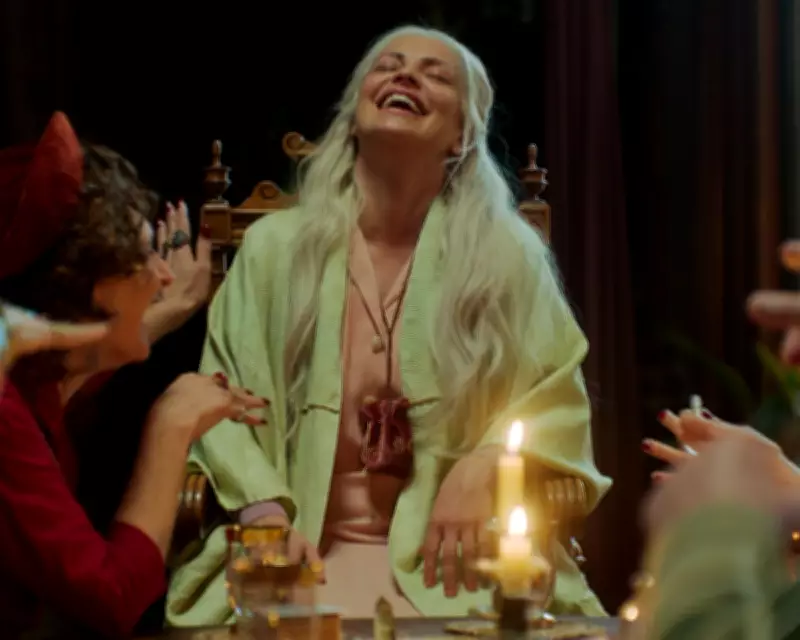
The casting is strong, with Nicole Wallace and Dolores Fonzi as Clara, Sara Becker and Fernanda Urrejola as Blanca, and Rochi Hernández as Alba. Alfonso Herrera brings a chilling charm to Esteban. The visuals are lush, with vibrant colors and beautiful sets that evoke the family's sprawling estate. However, the fantasy elements—prophecy, spirits, and diaries that predict the future—feel twee and out of place in a story about real political terror.
A Missed Opportunity
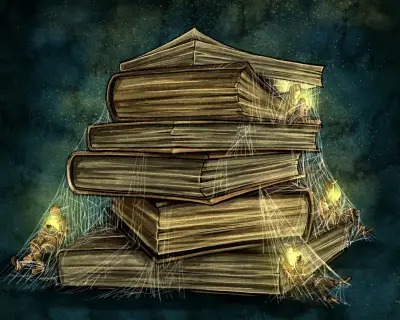
The series excels in its depiction of tyranny. The military coup and its aftermath are unsparingly violent, and Esteban's hypocrisy—supporting coercion to maintain power but horrified by the brutality it unleashes—is well-drawn. Yet the narrative's insistence on fate and predetermination lets the perpetrators off the hook. Alba's involvement with a revolutionary leader feels instant and inevitable, mirroring her mother's and grandmother's romantic entanglements. The conclusion, in which Alba discovers Clara's diaries and vows to write her story, is meant to be empowering but comes across as naive. Books-are-magic tweeness cannot console after a slaughter based on real events.
The House of the Spirits is a faithful adaptation that improves on the novel in some ways but remains a confection of old-fashioned storytelling. Its fantasy elements dilute the impact of its political message, leaving viewers with a tale that is often delightful but not always helpful. The series is available now on Prime Video.