Philharmonia's Canterbury Residency Faces Acoustic Hurdles at Marlowe Theatre
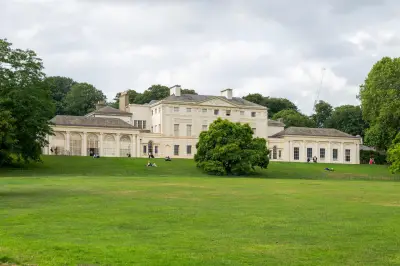
The latest concert in the Philharmonia Orchestra's residency at Canterbury's historic Marlowe theatre revealed significant acoustic challenges within the venue's handsome architecture. While some performance spaces enhance musical delivery through subtle polishing or clarification, the Marlowe theatre's dry, desiccated acoustic environment unfortunately falls into the category of hindering venues. This acoustic character exposes the slightest imperfections and offers an atmosphere comparable to an anechoic chamber, creating substantial obstacles for orchestral performances.
Marin Alsop Leads with Dynamic Energy Despite Acoustic Limitations
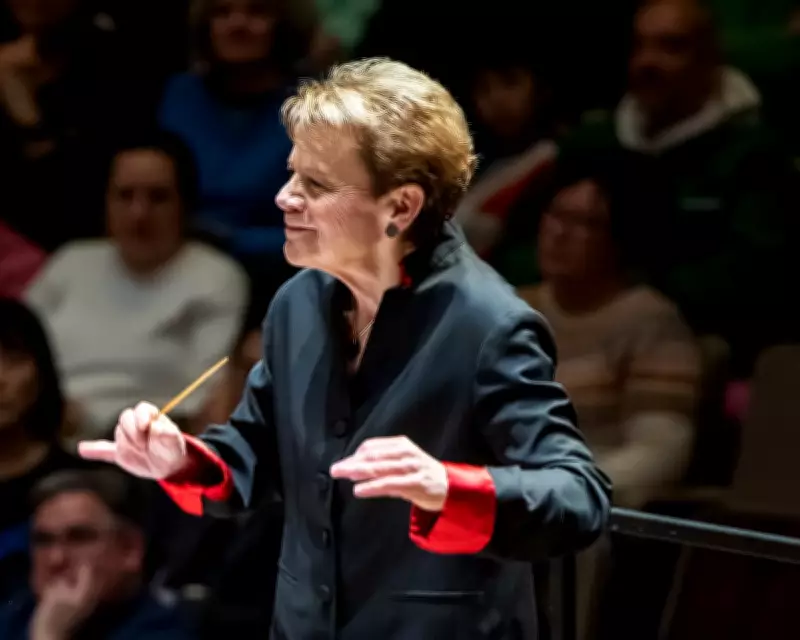
The orchestra's principal guest conductor, the dynamic Marin Alsop, presumably understood the acoustic landscape she would encounter, having made her local debut at the venue last year. The concert commenced with a deliciously natty interpretation of Arturo Márquez's vibrant Danzón No 2. The opening section featured dusky clarinet tones, piano accents, claves percussion, and string pizzicato executed with loose-limbed fluidity. A trumpet solo emerged with outrageously slow vibrato, while the string sections strutted precisely to the conductor's orders.
Gabriela Ortiz's Grammy-Winning Cello Concerto Receives UK Premiere
The music of fellow Mexican composer Gabriela Ortiz demands a more nuanced, subtle approach than Márquez's work. Her cello concerto "Dzonot" ("Abyss"), which has already secured a 2026 Grammy award for its recording, received its United Kingdom premiere during this concert. The celebrated cellist Alisa Weilerstein, for whom the concerto was specifically composed, delivered the performance. The event experienced a brief hiatus for adjustments to Weilerstein's wobbling chair, with Alsop grimacing and commenting, "We worked on this earlier." An awkward moment occurred at the conclusion when Alsop beckoned Ortiz from the audience, only to discover no accessible route onto the stage.
Between these moments, the concerto presented a veritable merry-go-round of musical effects and textures. The composition featured post-Romantic rhapsodizing, flurries of solo scrubbing that evoked Led Zeppelin's intensity translated to cello, eddies of minimalist repetition, and ethereally twinkling percussion elements. While Weilerstein's formidable virtuosity remained evident throughout, the Marlowe theatre's acoustic environment kept the score's potential magic distinctly earthbound, preventing the full realization of its atmospheric possibilities.
Rimsky-Korsakov's Scheherazade Struggles Without Sonic Drama
The acoustic limitations boded poorly for Nikolai Rimsky-Korsakov's Scheherazade, a composition where sonic drama proves absolutely vital to its narrative impact. Alsop provided generous space for solo passages, creating beautifully intimate chamber-music moments during quieter sections. Some of the louder passages surged with compelling energy. However, elsewhere in the performance, the string sections sounded uncharacteristically scrappy, evidently struggling to hear each other properly within the challenging acoustic environment.
By the time Alsop returned to conduct Anna Clyne's noisy, foot-stamping composition Restless Oceans as an encore, that work's performative frustration seemed all too real and reflective of the evening's overall acoustic challenges. The Philharmonia Orchestra will present this program at additional venues including London's Royal Festival Hall on March 12th and Manchester's Bridgewater Hall on March 13th, where different acoustic properties may allow the performances to flourish more fully.