The saying that the grass is always greener on the other side of the fence explains a lot about human behavior. In online fandom, it often means fans are never satisfied with current games and always look forward to future releases. Despite this, publishers have struggled to capitalize on this excitement, making announcements increasingly underwhelming.
The Old School Approach
Traditionally, building hype for a new game involved a teaser trailer (usually pre-rendered, without gameplay), followed by a gameplay trailer months later, and then hands-on previews for the press. This process spanned one to two years. For a long time, there seemed no reason to change this formula. However, before the pandemic, many publishers began to believe that prolonged preview periods turned people off, making them sick of hearing about a game before its release.
The Shift to Minimal Effort
Even if the data supported this logic, publishers took it to an extreme by announcing games in the dullest possible way, as if promoting a spreadsheet app rather than an exciting new interactive experience. Sony has led this trend, making major announcements through bland blog posts with the excitement of a tax return. The release date reveal for Marvel's Wolverine via a plain tweet with reused artwork exemplifies this mundanity.

Microsoft followed suit with a lackluster initial gameplay reveal for Forza Horizon 6. Similarly, Warhorse Studios announced two new games—a Kingdom Come title and a Lord of the Rings game—via a lazy tweet that seemed to require minimal thought.
Is This Reverse Psychology?
If these tactics were a deliberate attempt to focus players on current games, it would be an interesting psychological strategy. But Occam's razor suggests publishers are simply cutting costs, betting that games will succeed without expensive build-ups. Whether true or not, this makes following a game's development less exciting.
Leaks and Free Publicity
With games announced closer to release, details inevitably leak weeks or months in advance. Major titles, including Nintendo games, are rarely a surprise. Publishers seem indifferent to leaks, viewing them as free publicity. Activision is a rare exception, proving how easily leaks could be stopped.
The result is that game reveals have gone from thrilling events to mundane checkboxes. The lack of showmanship has destroyed anticipation, reducing it to a parade of poorly explained rumors.
The Summer Showcase Season
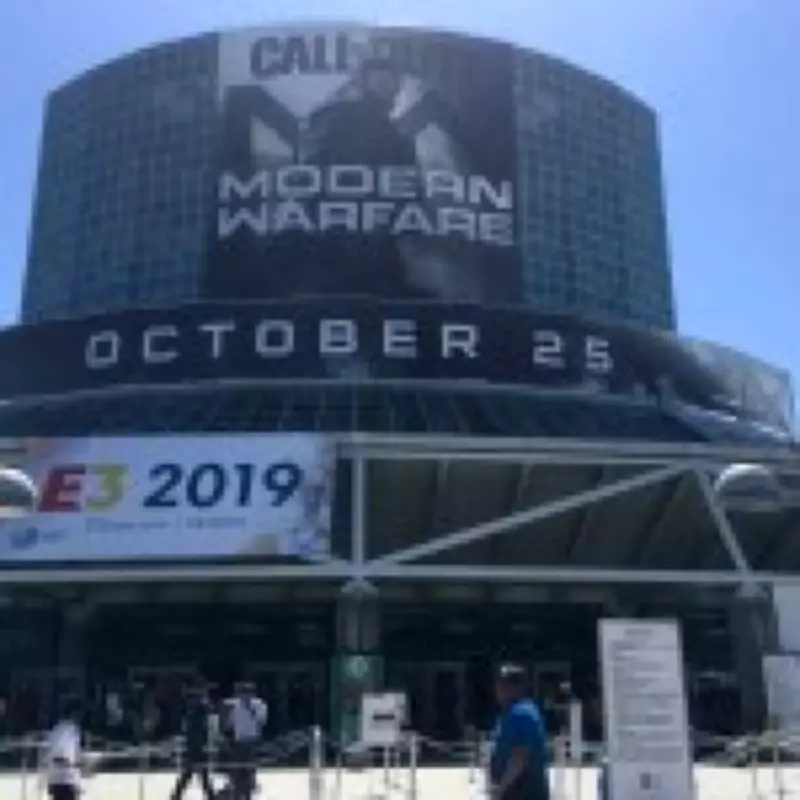
This issue may come to a head next month as Microsoft and Sony announce their not-E3 showcases, with Nintendo rumored to have a major Direct in mid-June. If only E3 still existed—the pre-pandemic industry-wide event that amplified reveals with stage-managed excitement. Summer Game Fest, the closest modern equivalent, pales in comparison, with trailers premiered so rapidly that viewers can't process them.
Perhaps this year will be different, as all three publishers have reason to curry favor with fans. But more likely, the trend of minimal-effort announcements will continue, with reveals trickling out over the following week. This situation benefits no one, yet lazy indifference has become the industry standard.